- Canadian auto exports fell in January against forecasts.
- Seasonal model changeovers were partly to blame.
- Non-compliant cars and parts were hit by USMCA tariffs.
At the start of the year, Canada’s trade performance was lower than most economists had expected. The reports say that the trade deficit in the country increased to about CA$3.6 billion in January, compared to about CA$1.3 billion in December.
Read: Three Chinese Carmakers Are Rushing To Enter Canada In 2026, And It’s Only The Start
The speed at which the balance changed is what caught some off guard. Exports declined by 4.7% compared to December, and imports declined by 1.1%, meaning export earnings in Canada were weaker than the import bill.
Why The Deficit Grew Faster Than Forecasts
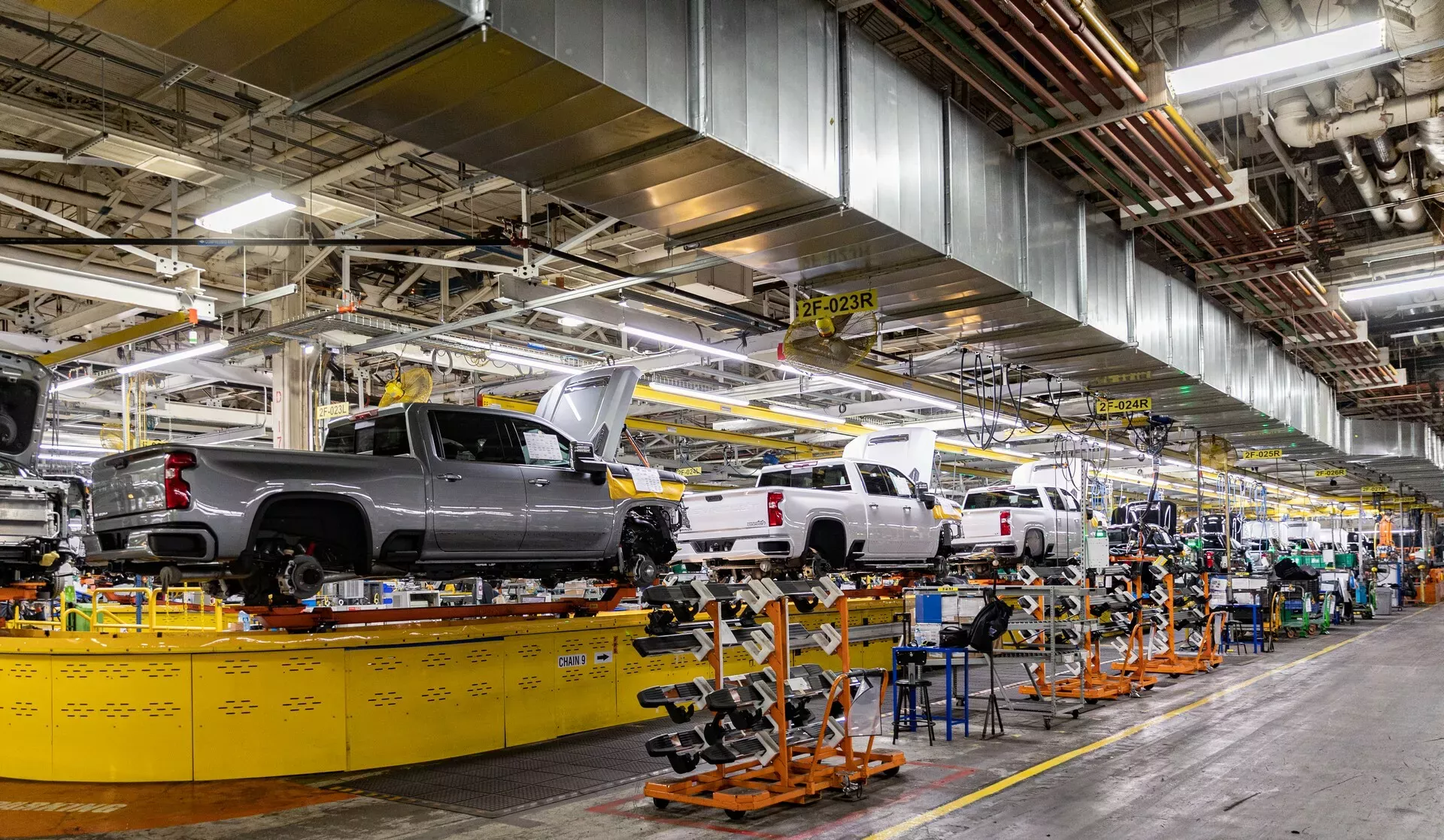
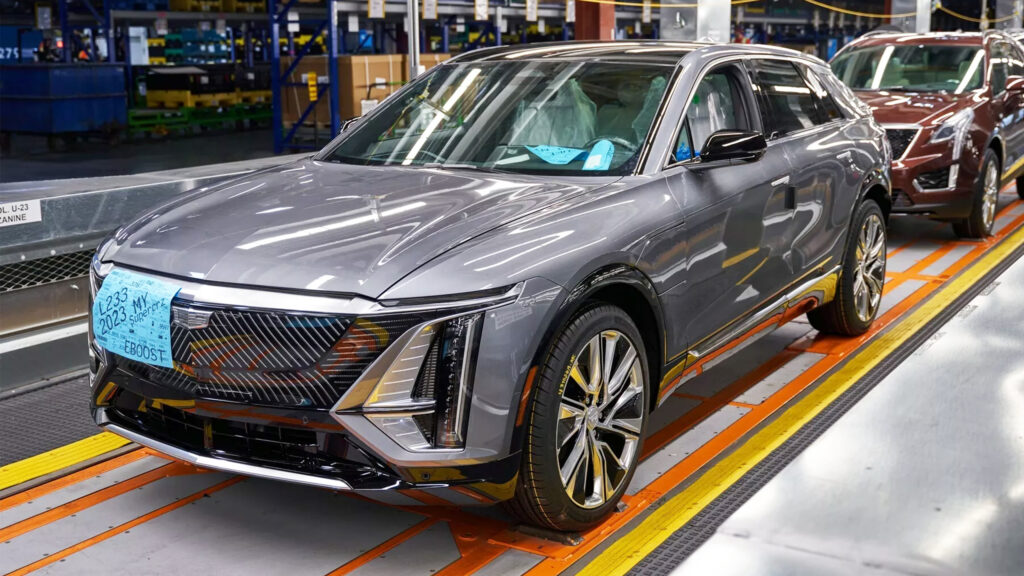
The largest drag was motor vehicles and parts. Passenger cars and light trucks saw the largest decline in exports, at 32.5 percent. One of the biggest reasons was seasonal production changes. Overall, Canada’s exports of motor vehicles and parts fell 21.2 per cent to $5.4 billion in January, the lowest level since September 2021.
Tariffs imposed by US President Donald Trump also impacted Canada’s auto industry. Cars and car parts not compliant with the US-Mexico-Canada FTA deal were stung with said tariffs, reducing export numbers.
The Partner Trade Map Changed
The release of data by Statistics Canada indicated that the total goods and services deficit was about 3.8 billion in January, which in turn supports the idea that the external backdrop was not supporting it much.
While December was already worrying, many had been confident that January would bring things to rights, as the trade moved on; it turned out that the shortage increased at a bigger rate than expected, showing how sensitive Canada’s trade can be.