

- Ferrari CEO says touch controls cost less to build, not better to actually use.
- Luxury brands are bringing buttons back after years of touchscreen overload.
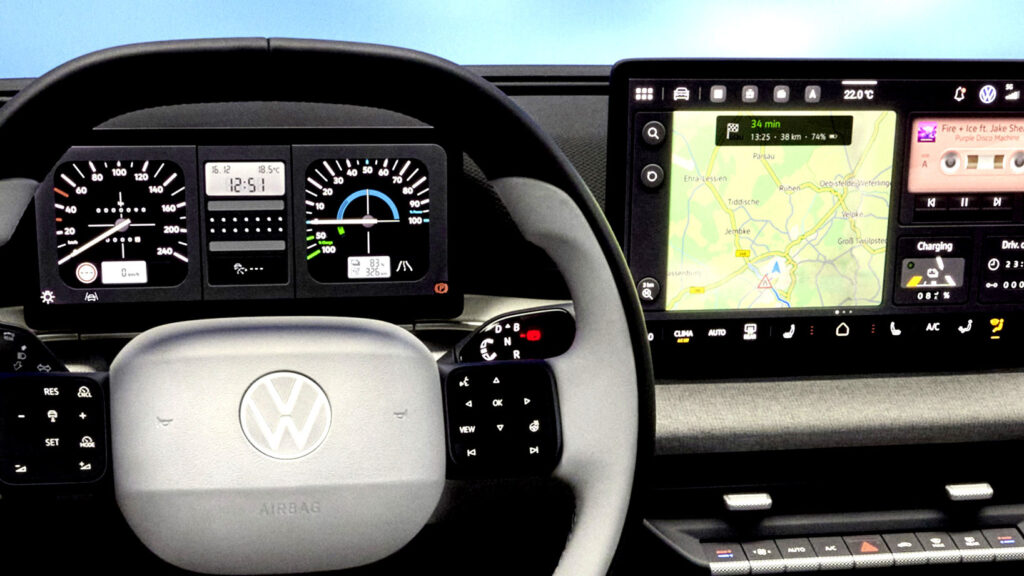
- Hyundai and VW are now restoring physical controls in their latest new models.
For the past decade or so, the automotive industry has been marching steadily toward touchscreens and capacitive buttons, and the reasoning has always been the same: they look cleaner, they signal modernity, and they photograph well in press materials. At the same time, they’ve often proven harder to use in practice.
Now, one of the world’s most storied automotive names is admitting what many suspected all along: touch controls took over because they’re cheaper, not because they’re better.
According to Ferrari CEO Benedetto Vigna, the shift away from physical buttons has little to do with improving the driving experience and everything to do with manufacturing efficiency. “The touch [button] is something that is made for the supplier’s advantage… Making a touch button is cheaper — 50 percent cheaper.” He also made clear that the trend is not driven by customer preference or any inherent technological advantage.
More: Volkswagen Gives First Official Look At Golf MK9
That’s the blunt admission he made while speaking to Autocar India, and it lines up with what we’ve been hearing across the industry. Capacitive panels reduce parts count, simplify wiring, and allow manufacturers to reuse the same hardware across multiple models. They also eliminate the need to design, engineer, and validate bespoke physical switches for each function. In high-volume cars, those savings add up quickly. But even premium brands leaned into the trend, sometimes at the expense of usability.
Ferrari’s “Phygital” Philosophy


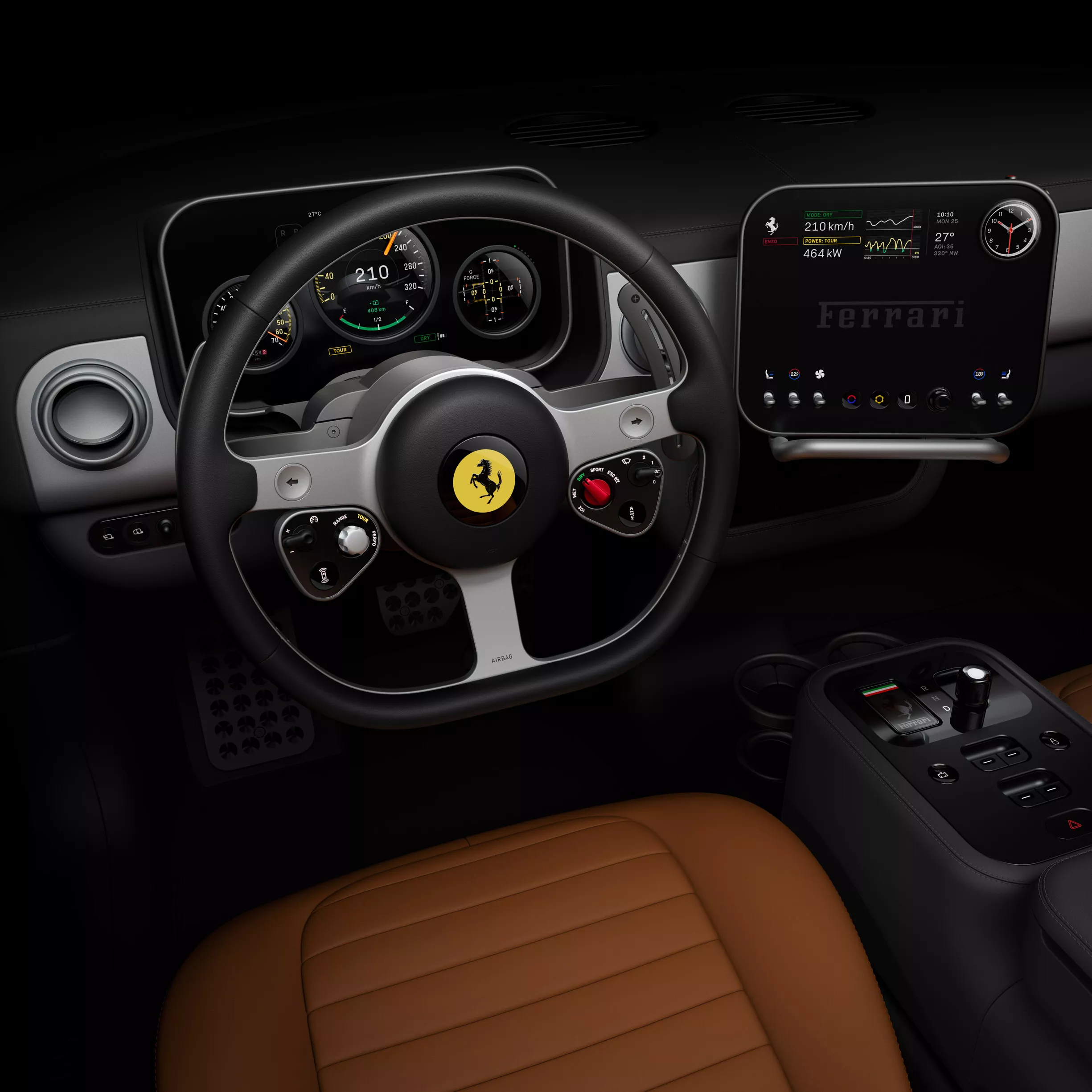

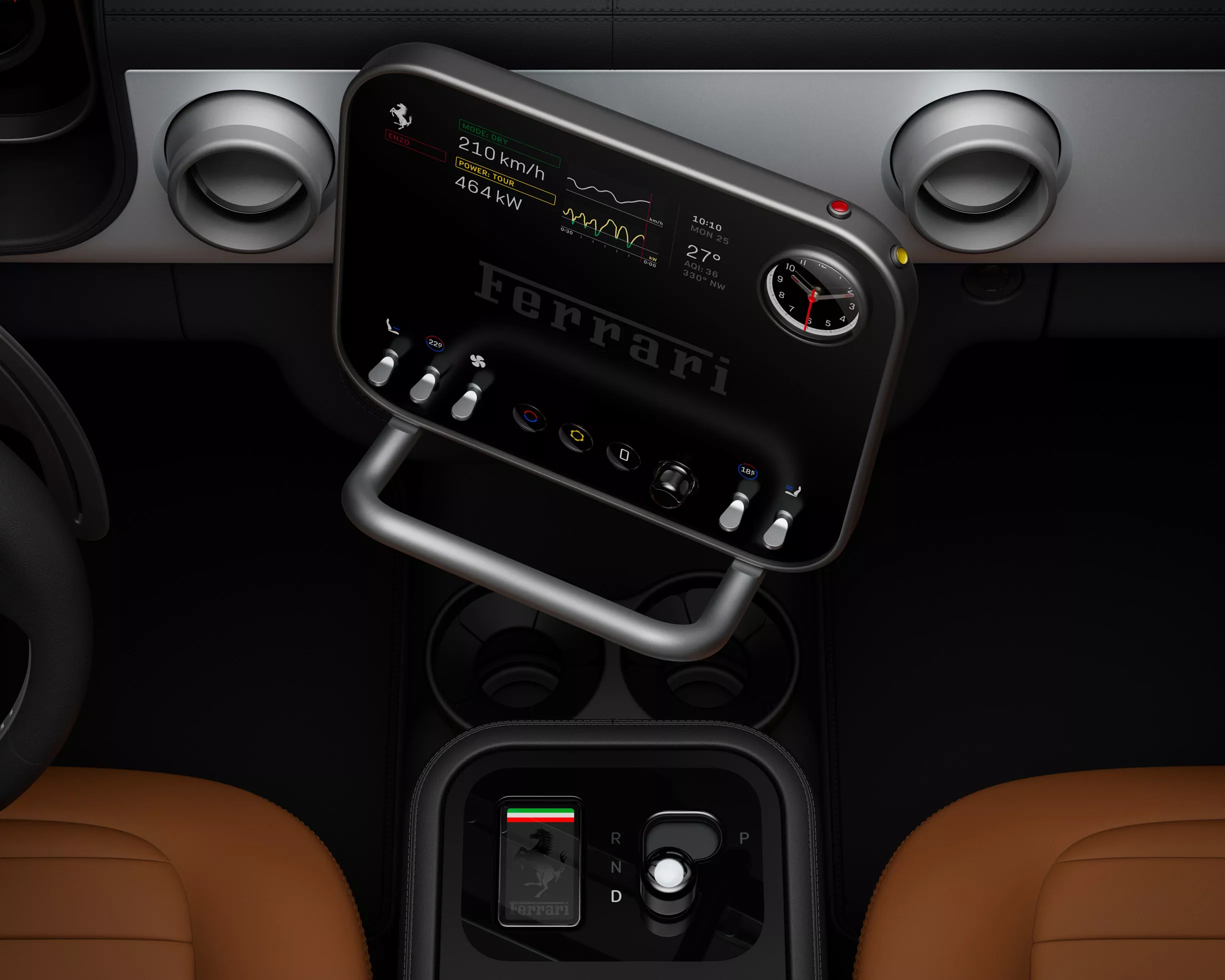



Ferrari, however, now says it’s going the other direction, especially for its first electric vehicle, the Luce, due out later this year. Instead of doubling down on screens, the company plans to bring back more physical switches, dials, and toggles, particularly for frequently used functions. This includes steering wheel controls and secondary systems such as climate settings, areas where tactile feedback can make a noticeable difference.
Vigna calls the approach “phygital,” a blend of physical and digital controls meant to keep the interface intuitive without giving up modern software features. That philosophy will appear in the upcoming EV, the interior of which, has already been revealed, giving us a first look at the new layout.
The Jony Ive Irony
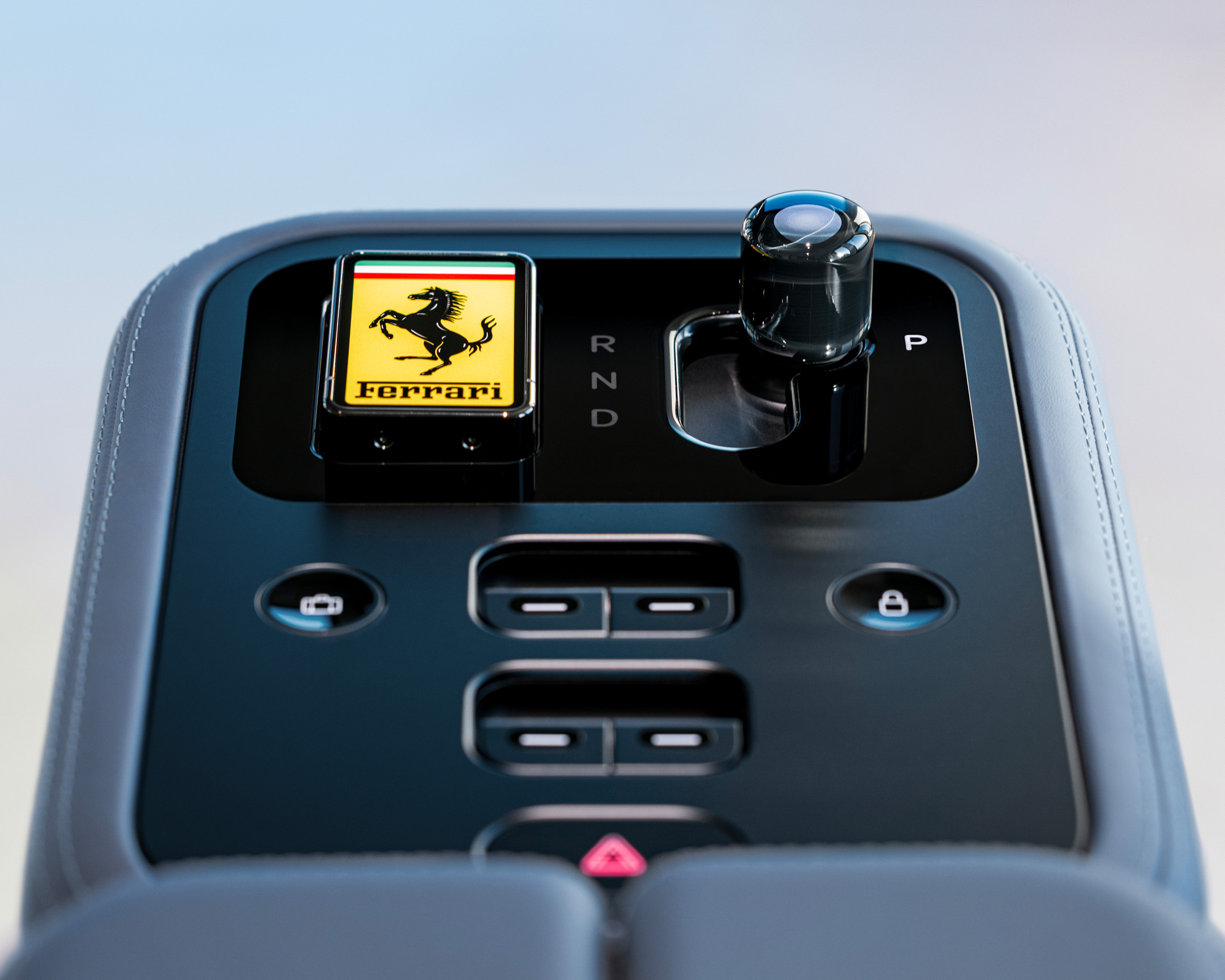
What makes this particularly interesting is that the Luce has been developed with input from design consultancy LoveFrom, led by former Apple designer Jony Ive. That’s the man behind the original iPhone, a product that became historically significant in large part because of its deliberate absence of physical controls.
All said, Ferrari is far from alone in this new understanding of why physical controls are so important. Super-luxury brands like Rolls-Royce never fully departed from such controls. Mainstream brands like Hyundai and Volkswagen are also open about the need to eschew touch controls for physical ones. Now, we just have to wait to see how each company will implement those design briefs.