








- Geely is preparing to launch its EV lineup in Canada soon.
- The company is competing with BYD for early market entry.
- Local production remains a possibility for market expansion.
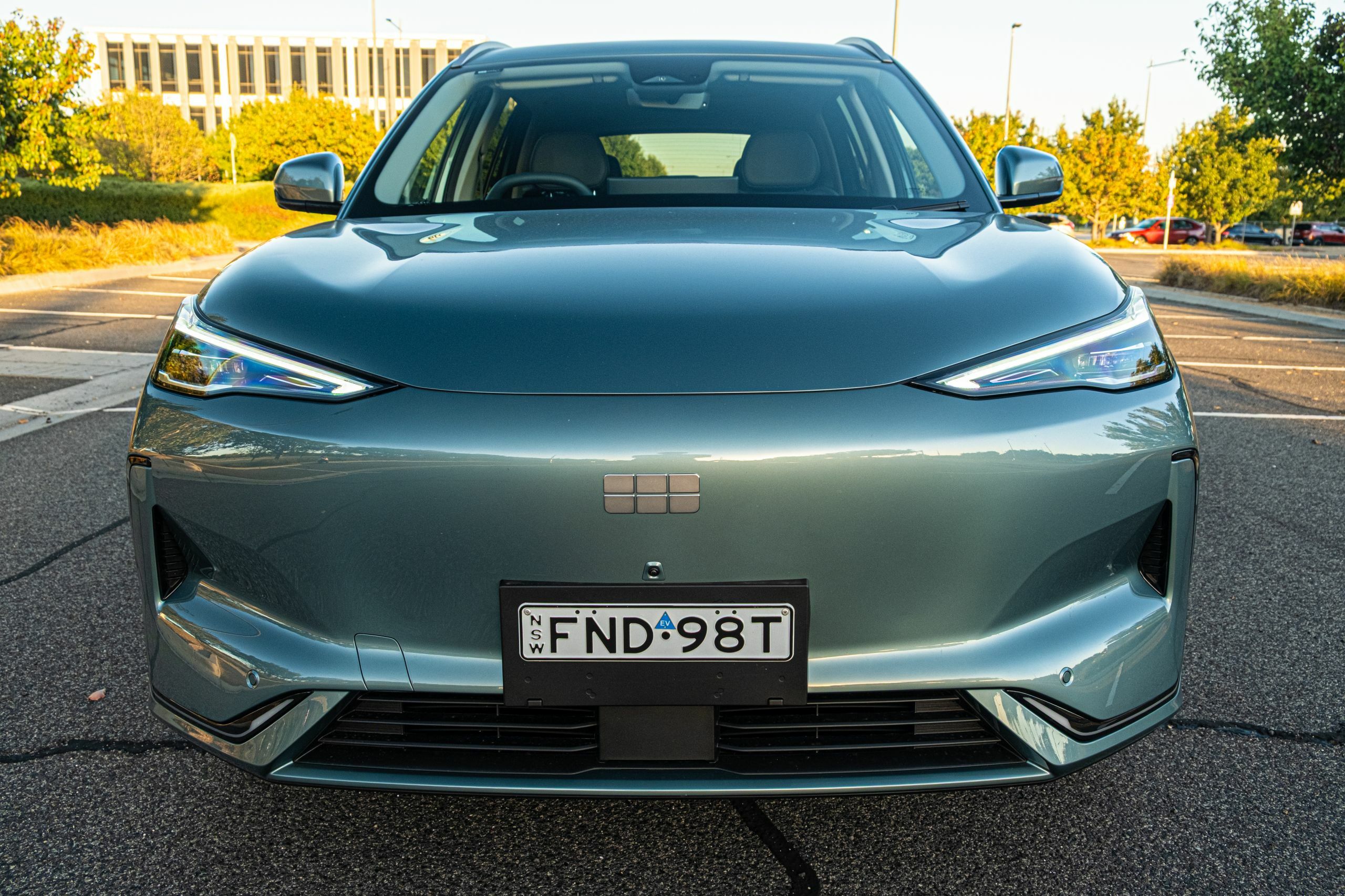
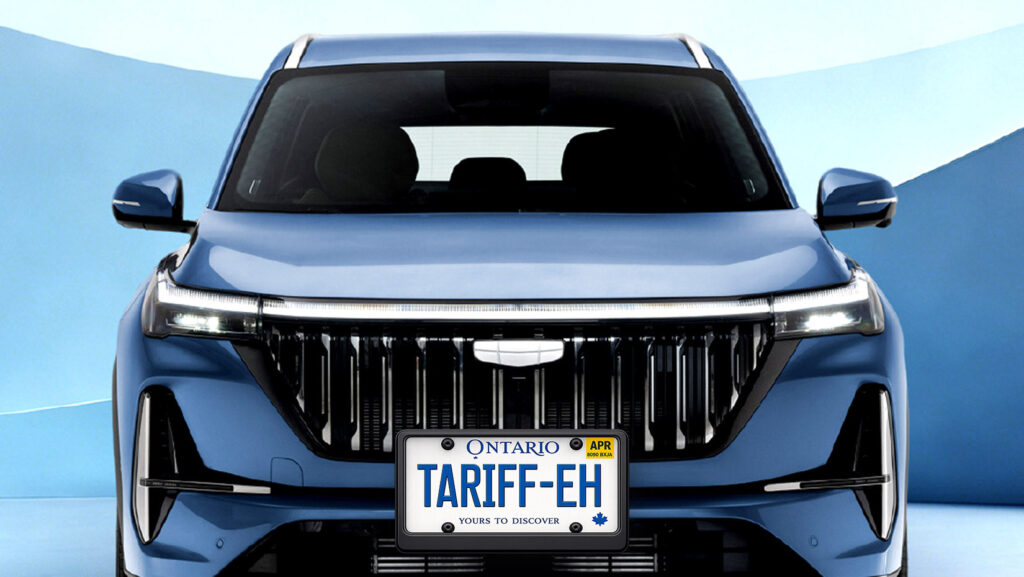
Geely has begun taking the necessary steps to launch its vehicles in Canada and could start sales as early as this year. The move places it in direct competition with BYD, as both aim to become among the first Chinese EV-focused brands to enter the Canadian market following a recent trade deal between the two countries.
They are both locked in a race against Tesla, which appears positioned to secure, if not all, then most of the first batch of 24,500 Chinese-made EV permits available at a reduced tariff rate.
Geely Group chief executive Andy An says the company expects to secure the required certifications from Canadian officials soon, clearing the way for local sales. The automaker has been steadily climbing the ranks among the world’s largest car manufacturers and is now setting its sights on expansion across several key markets.
Read: Canada Could Give China’s Biggest Carmaker A Backdoor Into The US Market
“We’re not only considering the Canadian market, but also Brazil, South America, Eastern Europe, and Southeast Asia,” An told Bloomberg. “Geely’s globalization is mostly through exports right now, but we will look to localize production.”
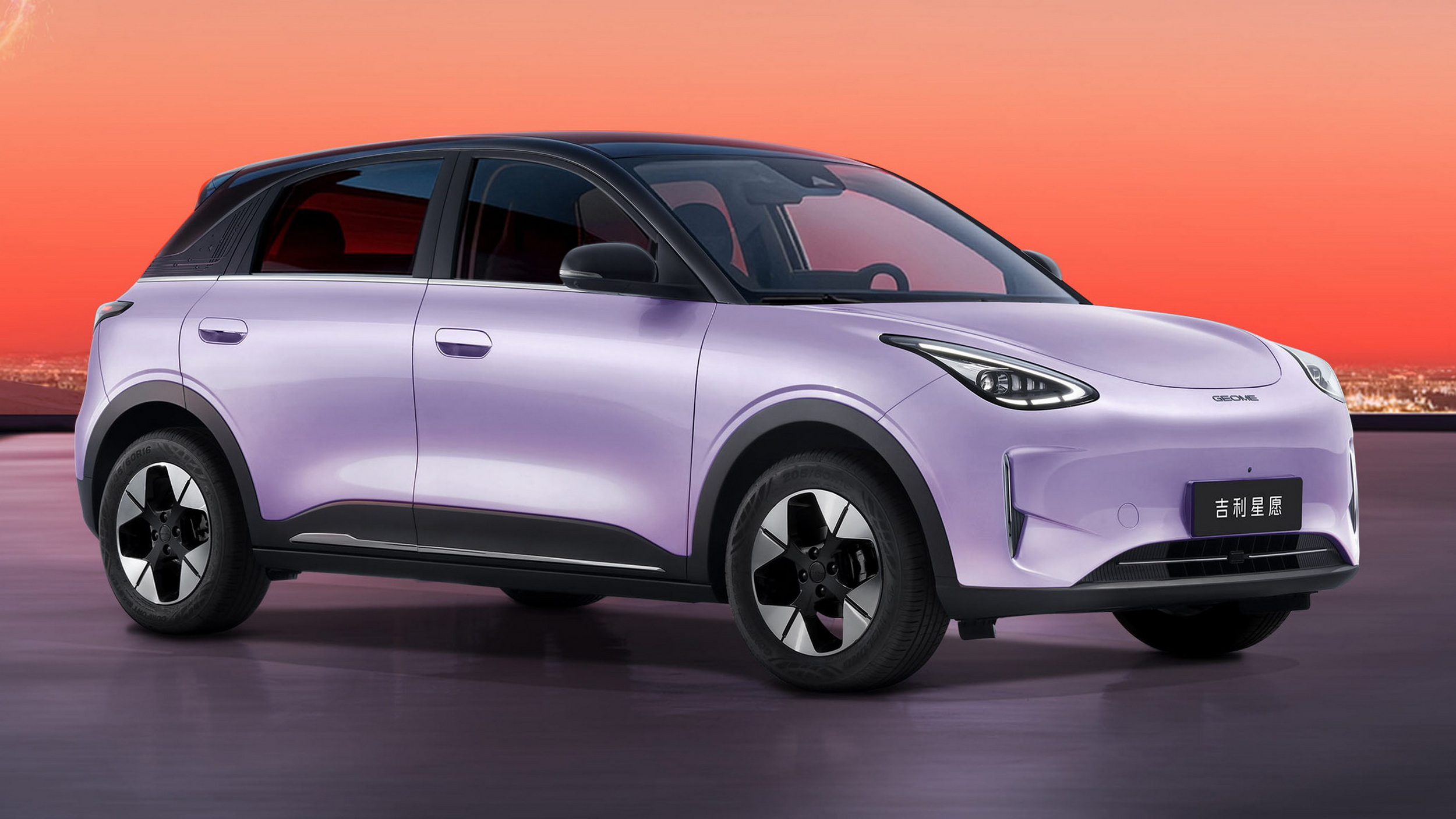
Geely ranks just behind BYD as China’s second-largest car manufacturer, and it already has a foothold in both Canada and the United States through Polestar and Volvo. Even so, steep 100 percent tariffs have long made exporting additional China-built models to Canada a tough business case.
Things are changing. Earlier this year, Canada and China agreed to a pivotal new trade deal, announcing that up to 49,000 Chinese-built EVs will be eligible for importation into the country at a reduced tariff rate of just 6.1 percent. That ceiling is expected to climb over time, reaching roughly 70,000 vehicles annually.
With those barriers easing, Geely, along with rivals like BYD and Chery, is lining up a Canadian market entry. The simplest route is to ship existing EVs from China, but local production, either through partnerships or independent operations, is very much on the table. Chery, for its part, is already recruiting in Canada as it prepares for its own arrival.