- A second-generation F-Type was in development before cancellation.
- Jaguar will reveal its production Type 00 electric sedan this year.
- Ian Callum designed new XF and F-Pace models before leaving in 2019.
Jaguar’s radical pivot to electric vehicles, anchored by a four-door GT sedan, has proven deeply controversial. And once you learn about some of the planned future Jaguar models that had to be killed to make way for the Type 00, you may deride Jaguar’s EV shift even more.
For years, it was known that Jaguar had been developing an all-new XJ before abruptly changing course, cancelling the project mere months before it was ready. The car was going to be electric, but the platform was flexible enough to support a six-cylinder engine if the market demanded it.
Read: Secrets Of The Ill-Fated Jaguar XJ Revealed
In a recent chat on the Road to Success Podcast, Jaguar’s former design director Ian Callum revealed he had also designed a new XF sedan and an F-Pace SUV before departing the company in 2019. Both were scrapped to clear the path for the Type 00. The most painful revelation, perhaps, is that a successor to the F-Type was also in development.
What Could Have Been
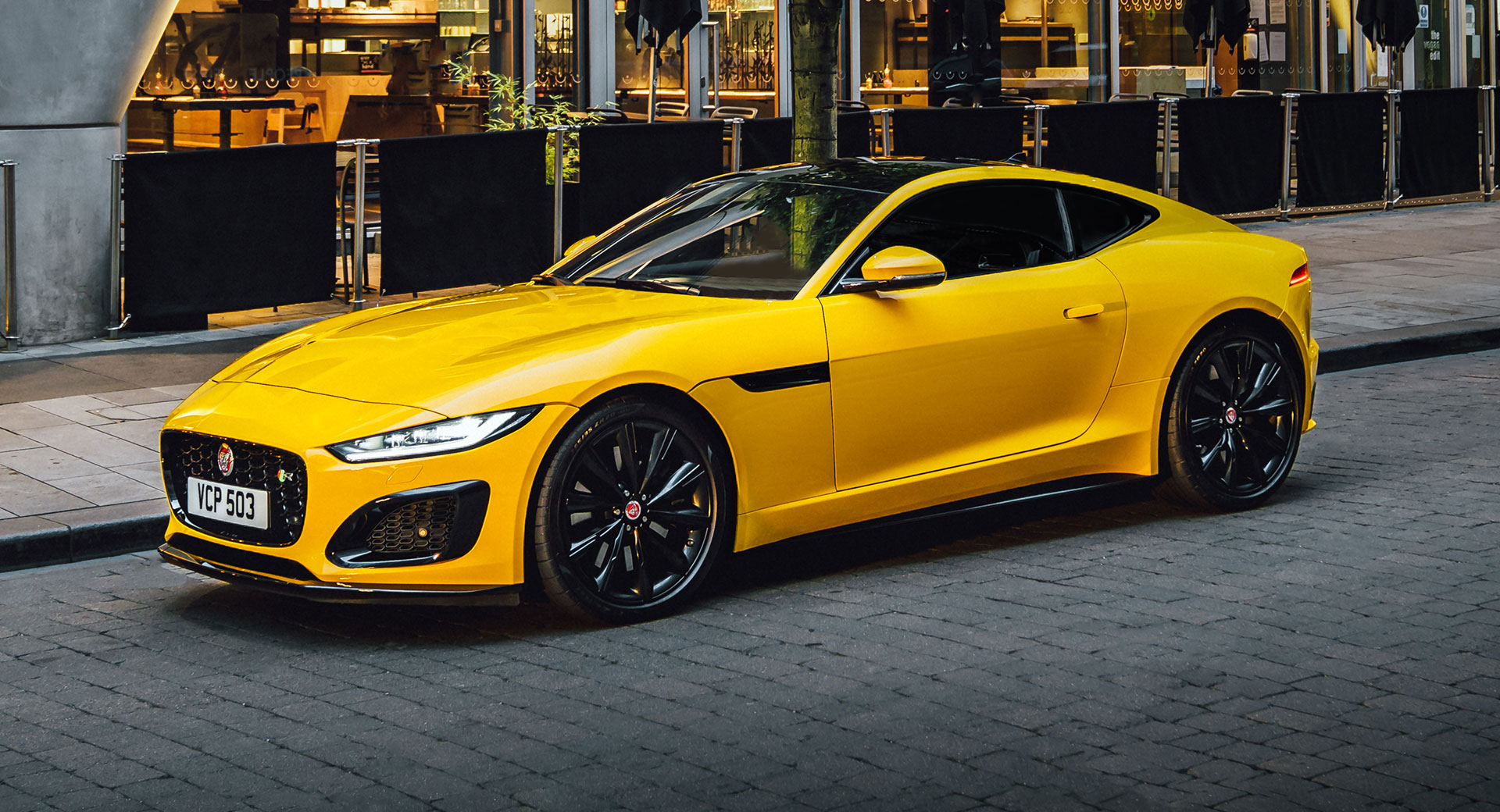
Callum didn’t say how far work on a second-generation F-Type had progressed when he left. He considers the original one of the last great Jaguars, before the company’s strategy shifted beneath it. At a time when sleek, front-engined two-door sports cars are disappearing from the market, losing the F-Type to make room for a grand touring EV is a difficult pill to swallow.
Speaking about the company’s new EV, Callum described it as a “handsome car,” adding that “it’s bold, it’s brave, and it’s got a lot of good design attributes about it, but it’s not beautiful and Jaguars need to be beautiful.” He also said the Type 00 is “too retro.”
What Can We Expect From The Type 00?
Jaguar wants to establish itself as a legitimate rival to Bentley and Rolls-Royce with the Type 00, abandoning its pursuit of volume sales and chasing the likes of BMW, Audi, and Mercedes-Benz. The production model will stick true to the concept’s radical design, though it will add two extra doors and have a longer wheelbase.
Power comes from three motors, a 350 hp unit up front and two at the rear producing a combined 950hp, with Jaguar promising at least 1,000 hp total along with just over 1,000lb ft of torque. According to Top Gear, that translates to a 0-62 mph (100 km/h) sprint in around 3.3 seconds, a limited top speed of 155 mph (250 km/h), and a driving range of approximately 430 miles (692 km).