

- U.S. auto industry groups want Trump to keep Chinese cars out of the American market.
- Trade organizations warn that Chinese automakers threaten national security.
- The debate grows as EV competition heats up and China dominates global production.
Free trade, national security, and industrial policy are all colliding in the US right now around cars. After several years of blindly fast growth by Chinese automakers, USA companies are begging President Trump to keep Chinese cars out of the country. That includes vehicles that Chinese automakers would be willing to build right here in America.
The Alliance for Automotive Innovation, the National Automobile Dealers Association, Autos Drive America, the American Automotive Policy Council, and MEMA, the Vehicle Suppliers Association, recently sent Trump a letter. These groups represent companies such as General Motors, Ford, Toyota, Volkswagen, Hyundai, and Stellantis, along with thousands of parts suppliers and dealerships.
More: America Blocked Chinese Cars For Years, Now It May Invite Them
In the letter, obtained by Reuters, the organizations asked the government to maintain strict rules that effectively block most Chinese-built vehicles from being sold in the United States. Their main concern centers on a Commerce Department cybersecurity regulation finalized in 2025, which limits the ability of Chinese-connected vehicles to enter the U.S. market.
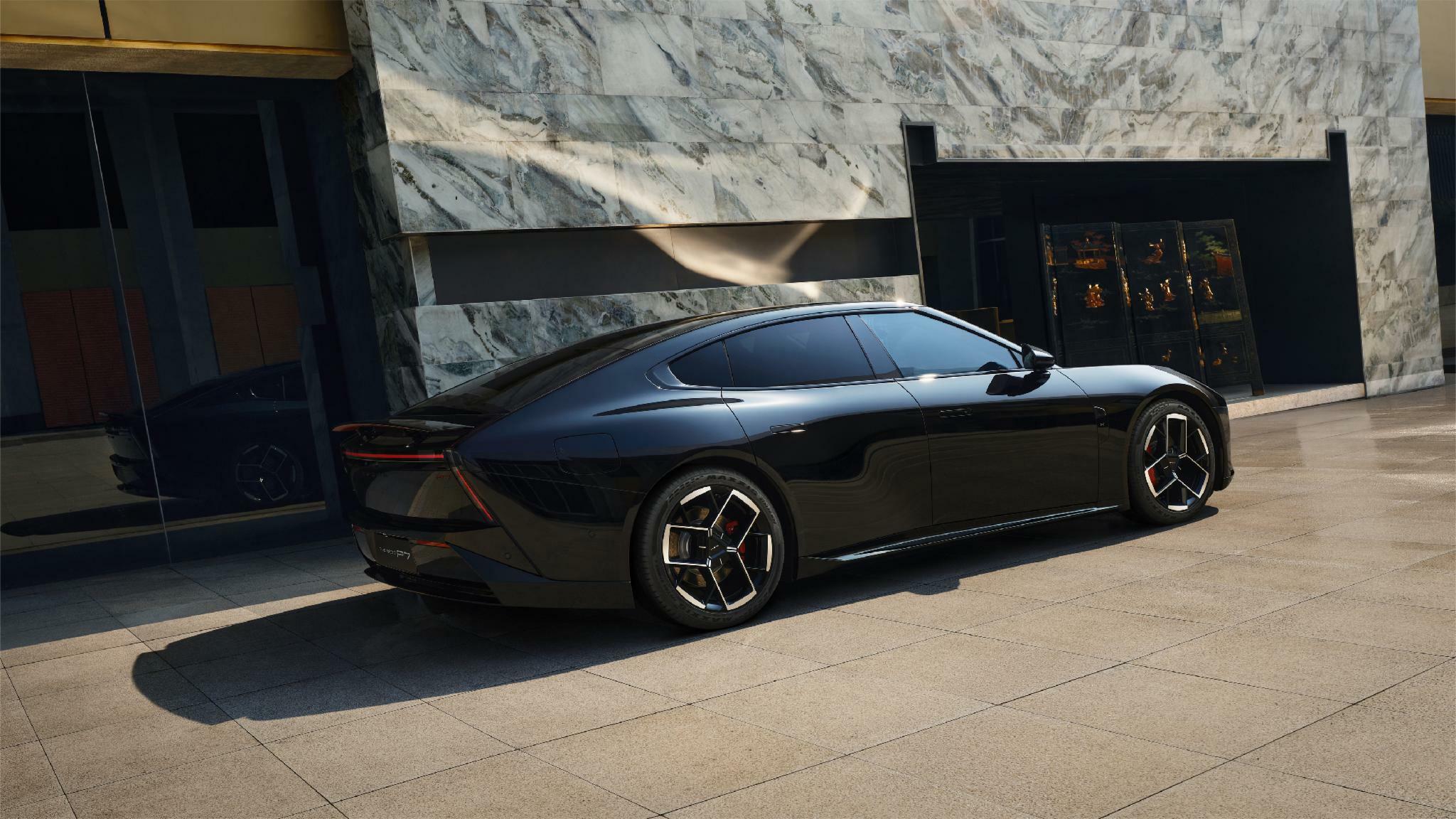
Industry leaders say the rule should stay in place, arguing that China is trying to dominate global auto production while gaining access to American consumers. The groups also warned the White House not to allow Chinese automakers to sidestep restrictions by building factories in the United States.
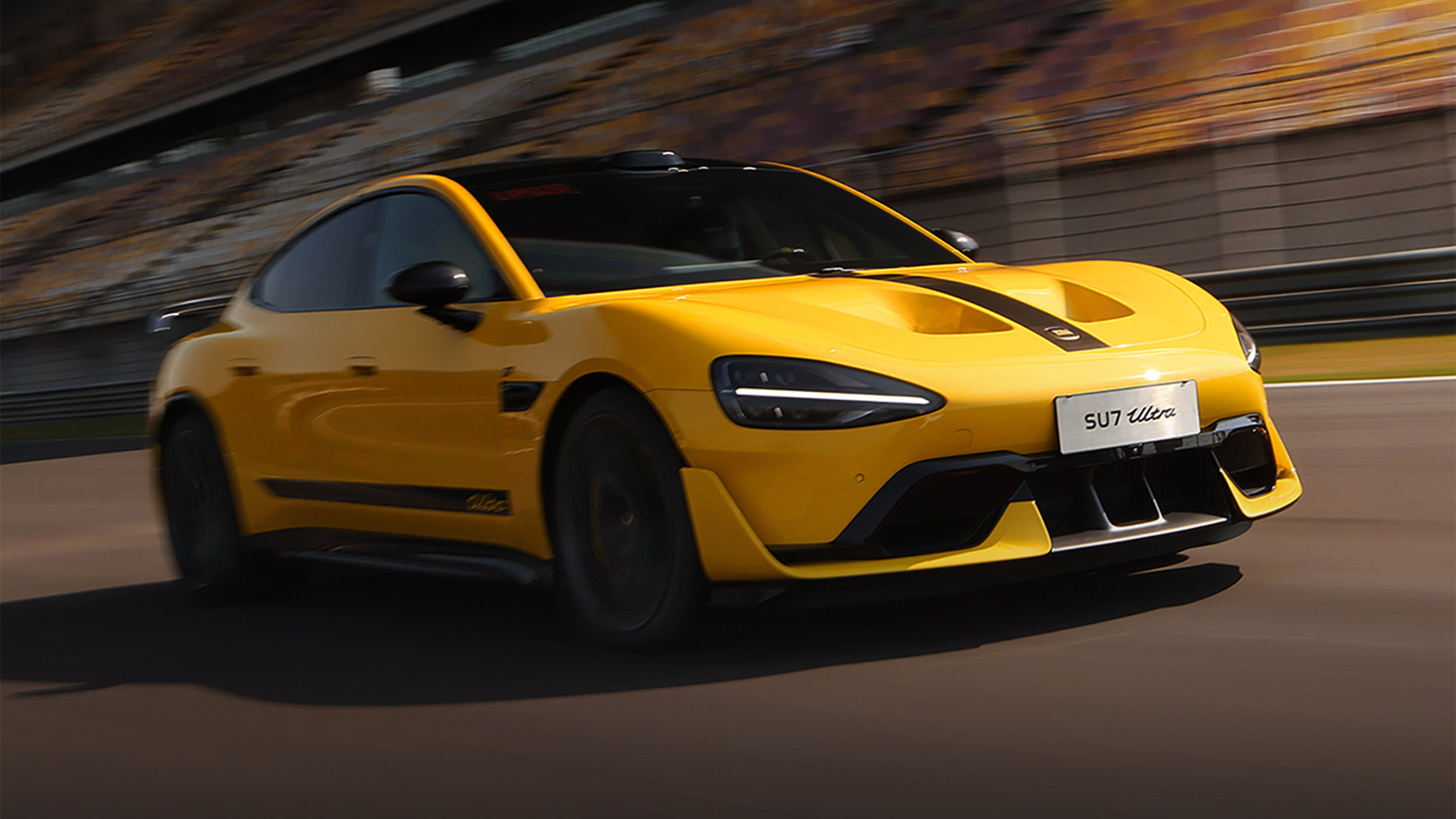
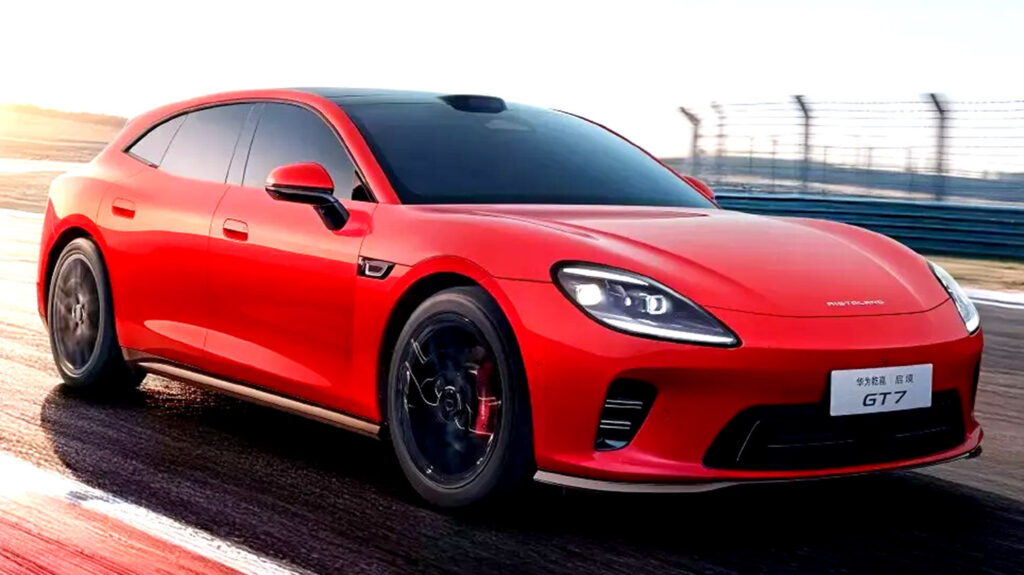
Also: China Isn’t Buying Porsches, But It Sure Loves Making Ones That Look Like Them
According to the letter, the risks are the same whether the vehicles are imported or assembled domestically, especially if the companies remain tied to the Chinese government or supply chain.
A Not-So-Free Market
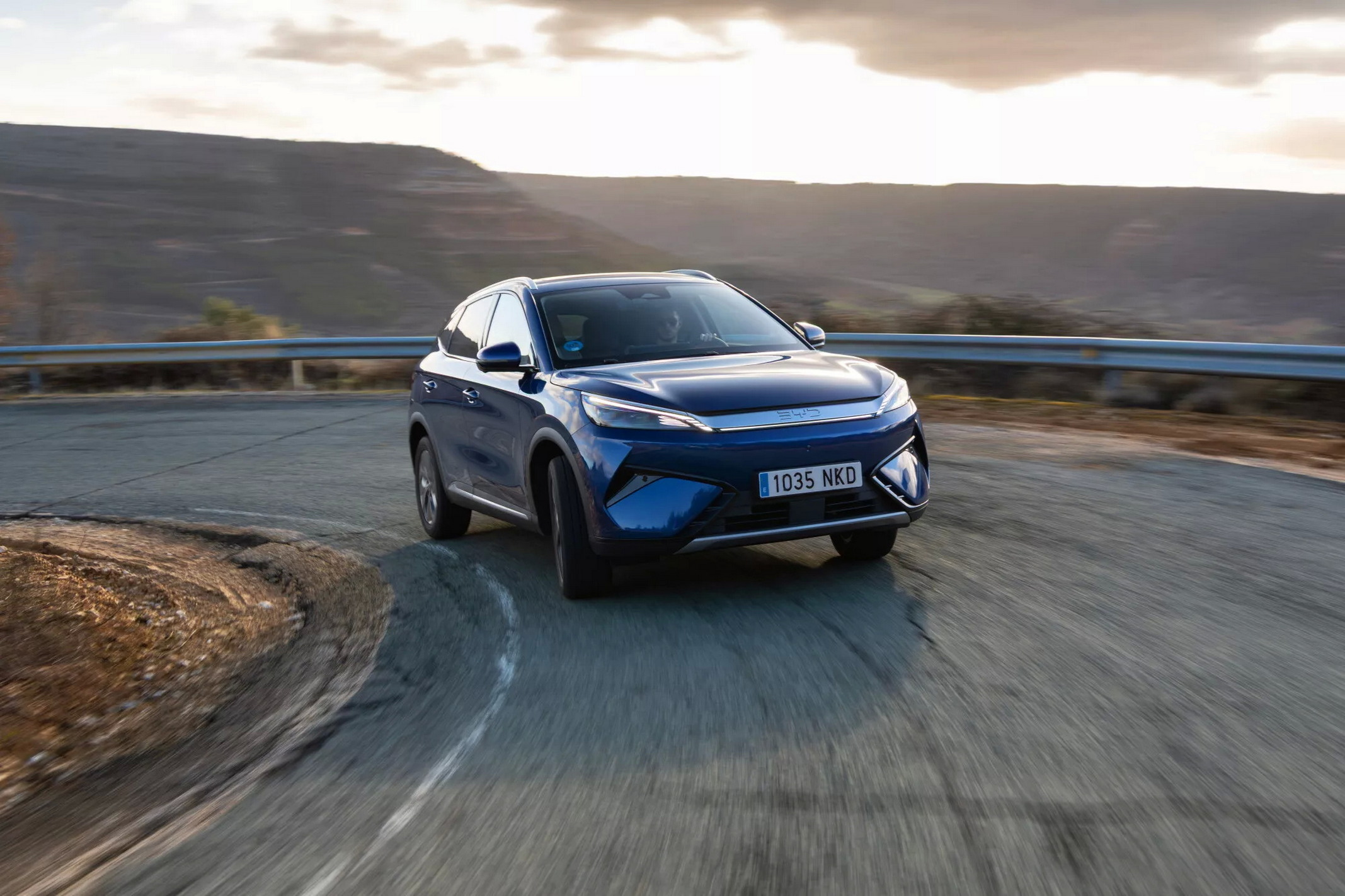
One major concern is the connected nature of modern cars. Foreign governments have already grappled with the reality that some of their Chinese vehicles have internal kill switches they didn’t know about. Domestic groups don’t want to see a similar situation in the U.S. While it might sound like the simple solution is to limit connectivity for any Chinese-built cars, automakers are more afraid of losing market share.
Chinese cars are cheaper, often far better equipped, and rapidly improving, too. Domestic automakers would likely struggle to keep up for years, and there’s no telling what that might do to the industry as a whole.
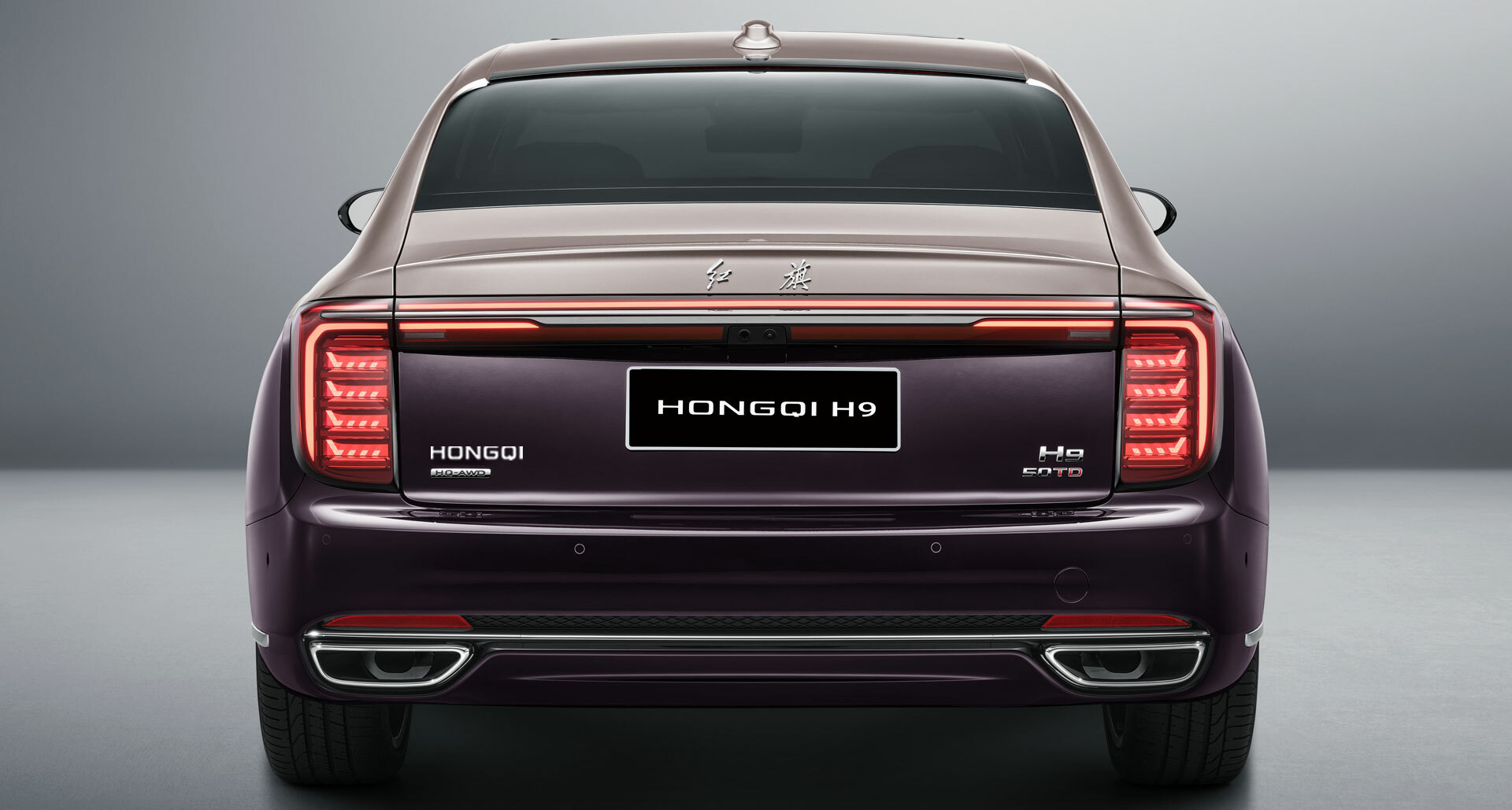
As it stands, the U.S. has historically eschewed a real free market approach to protect the car industry. It restricted imports from Japan in the 1980s, put pressure on Korean automakers in the 1990s, and still limits many cars from other markets unless they’re at least 25 years old. That’s to say nothing of the 25 percent “chicken tax” that helps to keep the American truck segment alive.
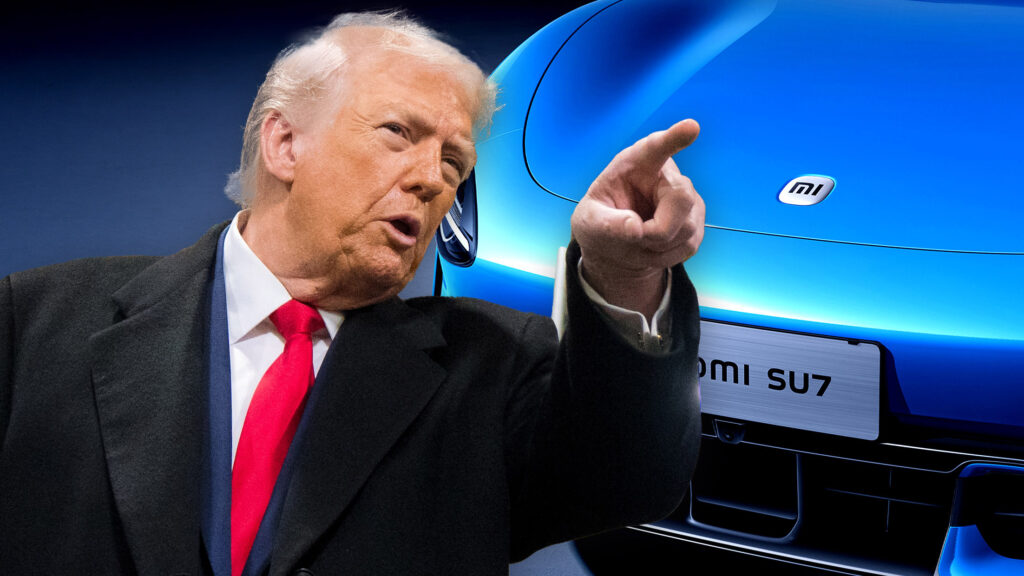
All said, it’ll be interesting to see how Trump handles this pressure. He’s already signaled interest in Chinese cars so long as they’re built in the USA. That puts the administration in a tricky position as it prepares for high-level talks with China later this month.