










- Colorado wants to ticket drivers at just 6 mph over the limit.
- The bill also tightens rules around speed cameras and how fines work.
- Officials say it’s about safety, but the revenue angle isn’t going away.
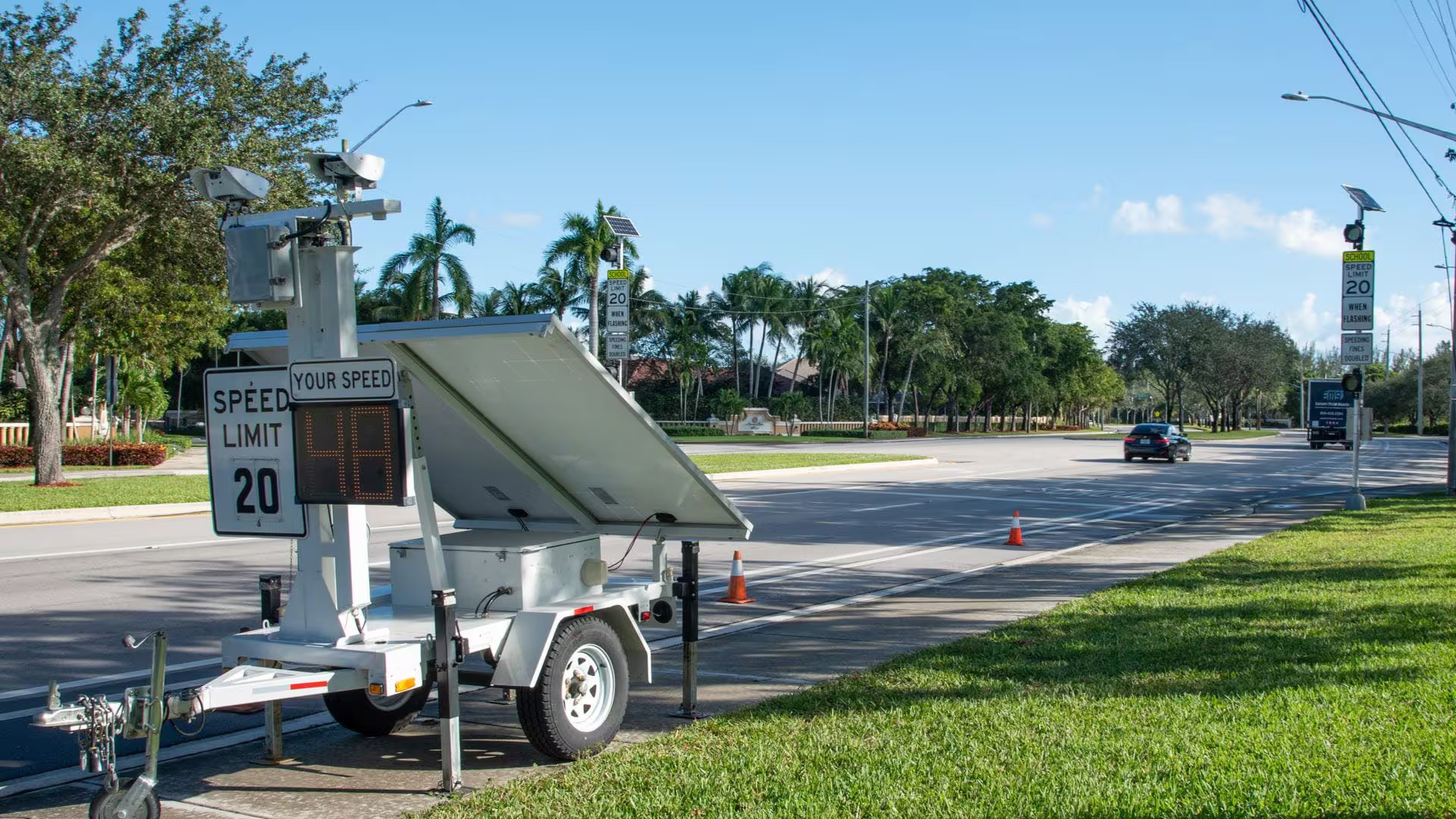
Colorado is quickly becoming one of the more aggressive states when it comes to traffic cameras. Over the past couple of years, it has expanded automated enforcement onto state highways, embraced license plate reader technology, and even rolled out “average speed” cameras that track drivers over long stretches, making it much harder to game the system by simply slowing down at the last second. Now, it’s taking things to the next level.
Senate Bill 26-152, currently under consideration, reshapes how automated vehicle identification systems, speed cameras in everyday English, are used across the state. The new threshold for getting a ticket would drop from 10 mph over the limit to just 6. Interestingly, the bill tries to thread a needle between enforcement and fairness.
More: Virginia Drivers Triggered Speed Cameras Nearly A Million Times
At its core, the bill adds structure to a system that’s been quietly expanding. According to Westword, cameras already generated nearly 10,000 tickets in just three months on one highway corridor, pulling in over $700,000. Clearly, that makes these cameras look a lot more like a revenue-chasing machine rather than a safety-improving technology.
Ending Ticket Incentives

Lawmakers are aware of the optics. One key provision in the bill requires governments to pay camera vendors a flat monthly fee. In other words, there’s no more tying compensation to the number of tickets issued. That’s a direct attempt to kill any incentive to crank out citations.
There’s also a transparency push. Agencies would need to publicly announce new camera installations, post signage well in advance, and publish annual reports showing how many tickets were issued and how much money they generated. That’s all well and good, but it still seems to miss the entire point of speed enforcement. Namely, safety.
There’s not a single line in the bill that requires the government to prove that its traffic cameras are improving actual safety outcomes on the road. That’s key because some studies show that they don’t affect change the way one expects.
In other words, Colorado is tightening the rules around speed cameras. Drivers will need to slow down to avoid tickets, and the government will be more transparent about how those tickets are issued. What it will not have to show is whether any of it is actually working, beyond filling public coffers.