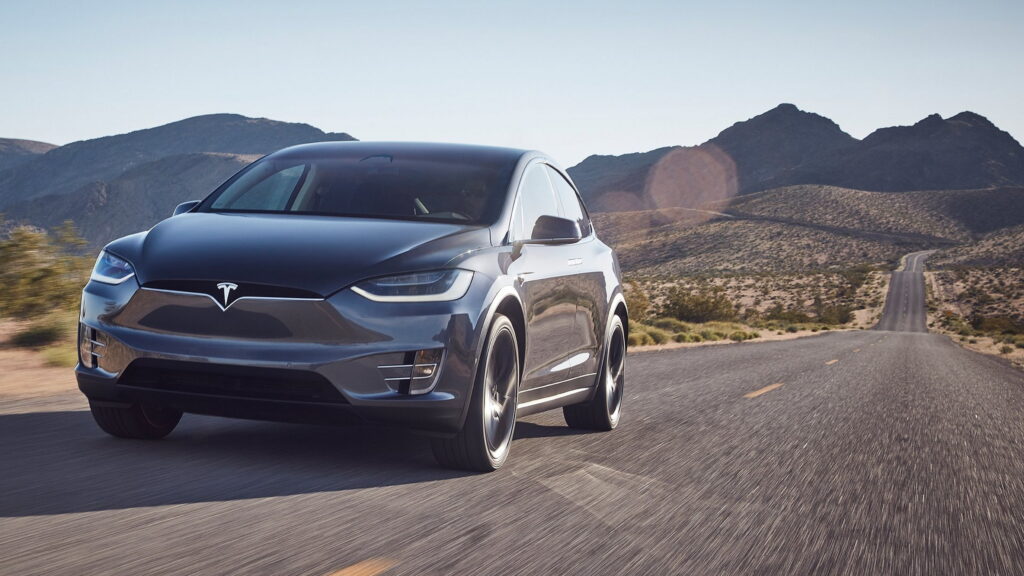



- Illinois wants to test replacing gas taxes with a mileage-based road usage charge.
- Lawmakers say better fuel economy and EVs are reducing traditional gas tax revenue.
- Privacy protections exist in the bill, but major questions remain about enforcement.
For decades, drivers have paid a tax every time they buy fuel for their gas or diesel vehicle. As cars get more efficient and EVs slowly gain traction, those tax funds are diminishing. Illinois wants to kick off a pilot program to do something plenty of states have long considered.
What if taxes were determined based on how many miles a person drives rather than how much fuel they buy? It could, in theory, help to solve the issue, but in the process, it’s creating some serious questions around privacy.
New Bill Aims To Rewrite How Drivers Pay For Roads
Senate Bill 1938, introduced by Sen. Ram Villivalam, would create the Illinois Road Usage Charge Act and launch a statewide pilot program to test whether drivers should eventually pay for road use based on how many miles they drive. On paper, that sounds simple enough. In reality, tracking those miles makes this entire situation far more sticky. How exactly would the state learn how many miles you drive?
Read: Plug-In Hybrid And EV Drivers Face Pay-Per-Mile Tax In The UK
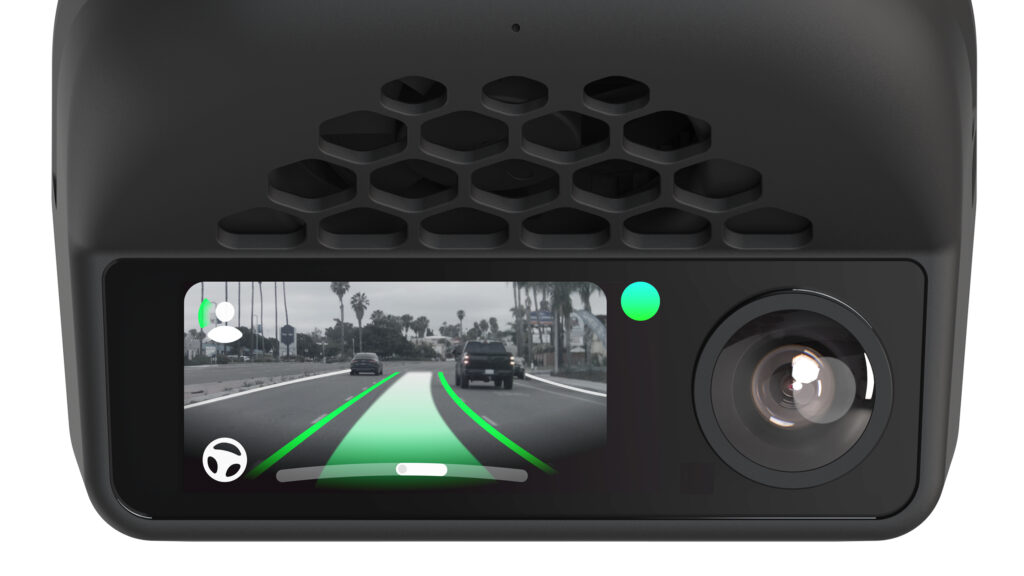
The bill requires Illinois to test multiple ways of measuring road usage, including at least one method that does not rely on electronic vehicle location data. That means GPS tracking is not mandatory for every participant, and options like odometer reporting or mileage verification systems could be used instead.
It also requires the pilot program to prioritize collecting the minimum amount of personal information necessary, including location data, and to create safeguards for collecting, storing, transmitting, and destroying that information. The state must also study whether different systems can protect driver privacy while still preventing fraud and ensuring accurate reporting.
That sounds reassuring, but let’s take a moment to consider what the bill doesn’t say. There is no outright ban on GPS-based tracking. There are no hard limits on how long data can be stored. The bill does not specifically restrict law enforcement access, third-party vendor access, or how future administrations might expand the program once the infrastructure exists. That’s where rightful concern comes from. What looks like a simple tax based on miles driven could quickly turn into a broader system for monitoring where, when, and how often people drive.
EV Owners Already Face A Per-Mile Choice
Notably, there’s another bill, SB 3566, that offers EV owners a choice right now of whether to pay $320 annually or to pay 1.5 cents per mile driven, capped at $320. Since mileage reporting methods aren’t hard-lined yet, there’s still time for policymakers to loosen or tighten privacy controls before anything becomes permanent.