


- Hyundai increased ICCU warranty coverage to 15 years or 180,000 miles for certain EVs.
- Many Ioniq 5 owners say Hyundai’s VIN lookup tool still shows no ICCU coverage.
- Drivers want proof Hyundai fixed the faulty part and some are swearing off the brand.
Hyundai EV owners just received a little more peace of mind over a part that some say has a 10 percent failure rate. This isn’t a backup camera, a loose windshield wiper, or a missing cotter pin either. It’s a part called the Integrated Charging Control Unit (ICCU), and when it fails, it basically strands the car.
The South Korean company has now extended warranty coverage to 15 years or 180,000 miles for some EVs with ICCU issues. That sounds great, but there’s more to the story unfolding right now.
Read: Hyundai Fixed His ICCU Then Let Thieves Total The Rest Before He Even Saw It
As we’ve highlighted both in the past and even this week, ICCU concerns are a big deal for Hyundai, Kia, and Genesis owners. The ICCU is one of those parts most owners never think about until it fails. It manages onboard charging and helps keep the 12-volt battery alive. It’s basically the EV equivalent of the old-school alternator’s job. When it dies, the car can lose power, stop charging properly, or simply refuse to start, and plenty of owners have been there.
Recently, Hyundai extended its warranty coverage on affected vehicles in Europe. According to a statement provided by Hyundai Motor America to Torque News, the automaker has approved a warranty extension for the ICCU on certain affected U.S. EVs, stretching coverage to 15 years or 180,000 miles, whichever comes first. That’s a major jump from the previous 10-year/100,000-mile protection. There are a couple of notable caveats to consider, though.
What About Kia And Genesis?
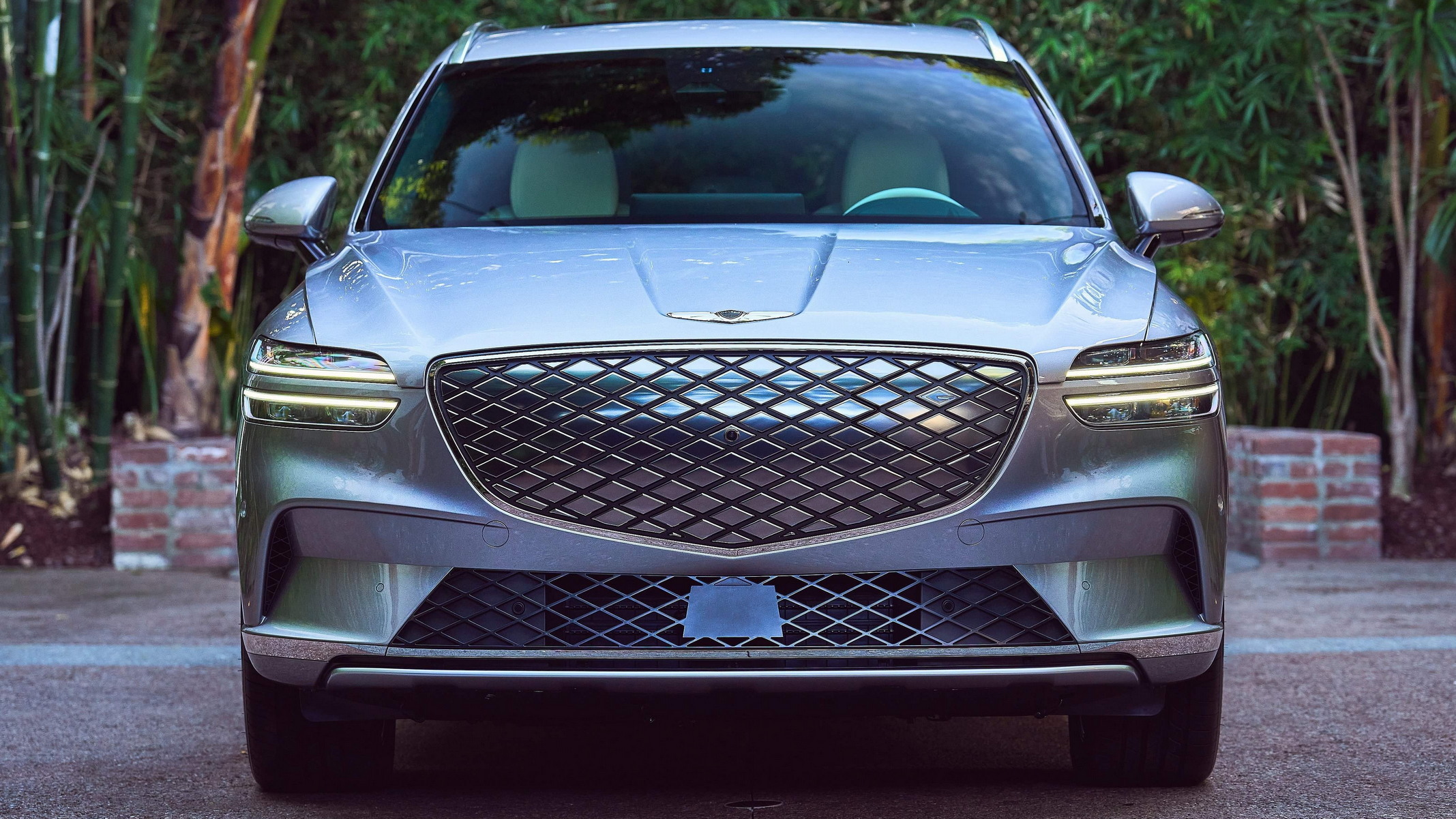
First, there’s no word from Kia or Genesis yet about if they’re also going to extend coverage on affected cars. While it’s highly likely that each will end up extending their coverage, too, an official statement would be nice. Carscoops reached out to both brands but didn’t receive a response at the time of writing. The second concern is how Hyundai’s warranty tool works.
Hyundai says affected owners should check their VIN through Hyundai Motor America’s campaign lookup tool and contact dealers if they see warning lights, charging issues, or reduced power. Sounds simple enough, but when many owners check the site, they get nothing.
Multiple commenters on the original report say they’ve entered VINs for 2022, 2023, and even recently failed 2025 Ioniq 5s, only to see no ICCU campaign listed at all. Finally, there’s reason to wonder if Hyundai has fixed the ICCU issue altogether or if the potential replacement parts will one day fail as well. That’s at the heart of a new lawsuit that Hyundai hasn’t yet responded to. At this point, no one knows, but owners surely hope this isn’t the case.