


- Jim Farley drove a Xiaomi SU7 in 2024 instead of using a Tesla for testing.
- He said Tesla lacked a fresh model at the time, which led to that choice.
- His remarks about Tesla are more nuanced than many headlines suggest.
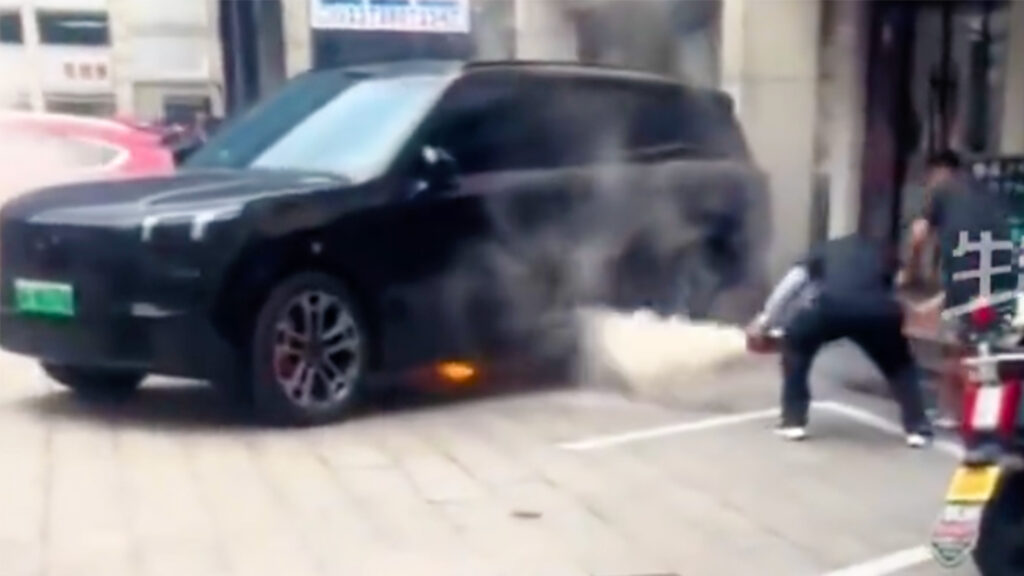
It’s no secret that automakers routinely test other brands’ products to get a feel for how they compare. In 2024, Ford CEO Jim Farley made the headlines by openly testing the Xiaomi SU7 here in the U.S., and his impressions were stark. “I don’t want to give it up…. ” It’s fantastic,” he said at the time. Now, he’s explaining why he chose that rather than an American-made Tesla to compare. His reasoning is far less flamboyant than some would suppose.
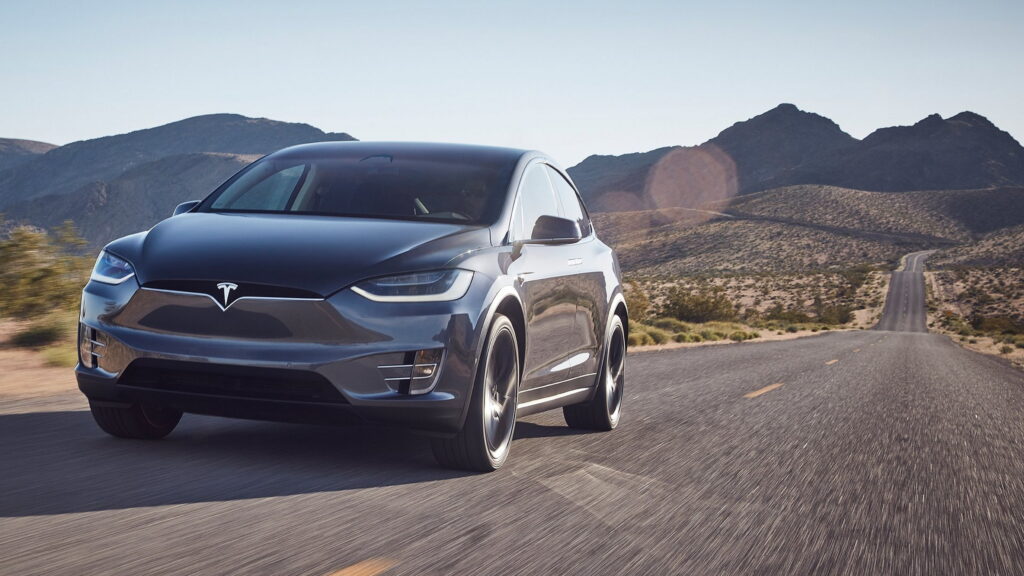
Speaking to Bob Safian of the Rapid Response podcast, Farley said, “Nothing against Tesla. They’ve been doing great, but they really don’t have an updated vehicle. The best in business for us costwise and competition wise, supply chain, manufacturing expertise, the IP in the vehicle was really BYD.”
That bit about Tesla not having an ‘updated’ vehicle has caused some to latch onto the statement as a dig at Elon Musk’s car brand.
More: Ford’s Cancelled Three-Row EV Finally Surfaced, And It Looks Nothing Like A Ford
In reality, Farley might not have even mentioned Tesla had Safian included it in the set-up question. More to the point, it shows just how much respect Farley has for Chinese automakers and how he sees their influence shaping the next wave of EVs both at Ford and worldwide. In fact, he framed his answer as a focus on how American companies match and ultimately beat Chinese automakers in the market.
Farley’s argument is that if Ford wants to survive the next phase of the EV market, it needs to understand the companies that are currently building the cheapest, most efficient, and most rapidly improving electric cars in the world. Right now, Ford believes that company is BYD, not Tesla. And that makes sense given the shifting focus of Tesla over the last decade.
Musk has increasingly shifted the company’s focus toward autonomy, artificial intelligence, robotics, and software revenue. The company’s strategy is no longer centered around constantly replacing the Tesla Model 3 and Tesla Model Y with fresh metal every few years. Instead, Tesla appears to believe the future is in self-driving technology and turning its cars into rolling AI platforms.
That helps explain why Farley wasn’t particularly interested in benchmarking a Tesla. “The next cycle of EV customers in the US… want pickups and utilities and all these different body styles, but they want it at $30,000, not $50,000,” Farley said. To that end, Ford isn’t trying to build a rival to a robotaxi fleet. It’s trying to build affordable pickups and SUVs that mainstream buyers can actually afford.