


- Jack Schlossberg calls for a formal probe into Hertz AI damage charges.
- Federal Trade Commission pushes back and will not confirm any investigations.
- Automated scans promise accuracy but customers disputes remain frustrating.
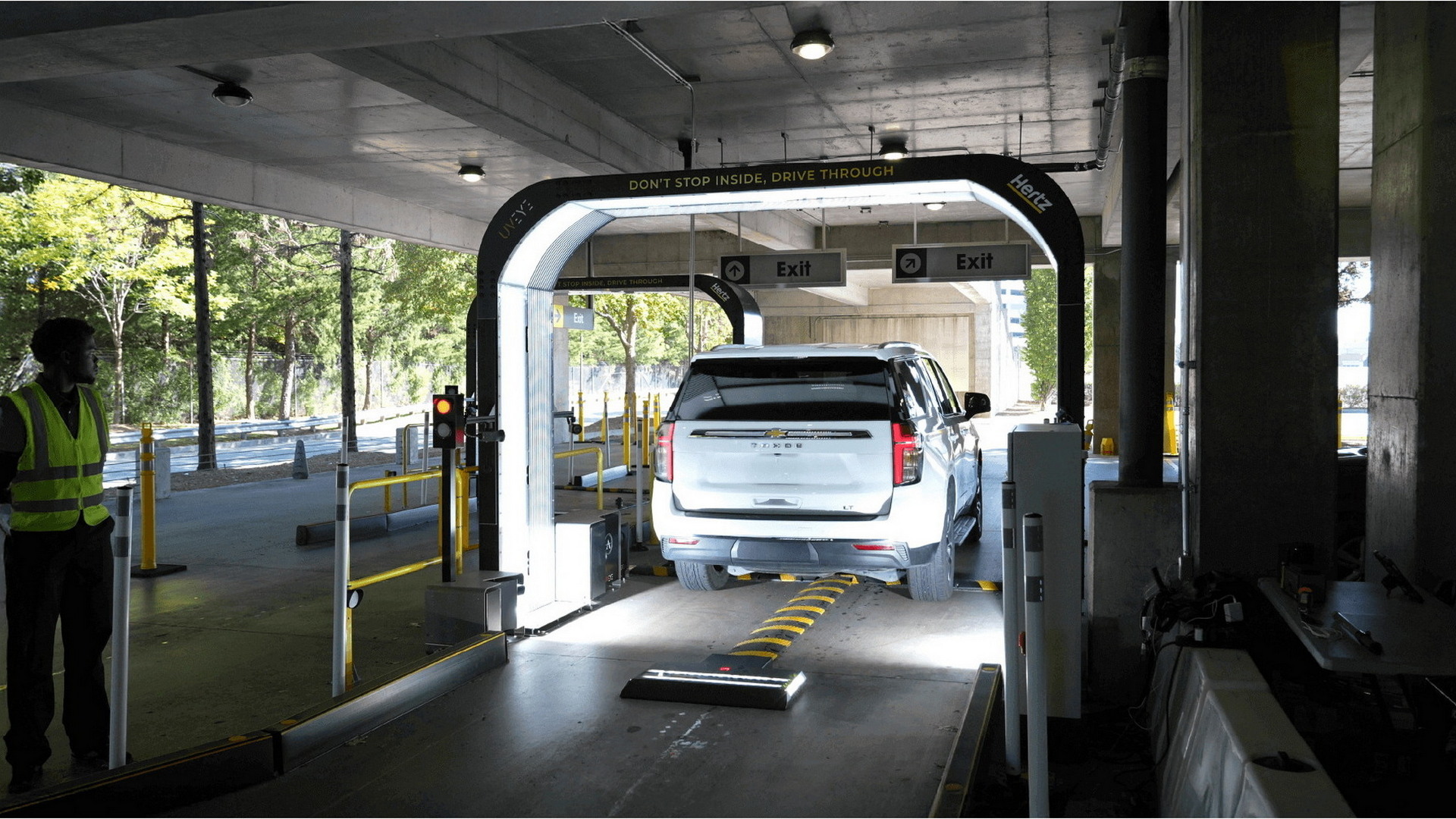
Last year, Hertz rolled out a tool called UVEye. It scans cars as they leave the rental center and then once more at the return. Artificial intelligence then compares the images and cites the customer for damages that it believes happened during the rental period. Plenty of customers have complained about the system and still others have brought up concerns over the way disputes go down.
Now, one congressional candidate related to JFK is calling on the FTC to do something. He might be barking up the wrong tree.
Read: No Scratch Or Ding Escapes Hertz’s New Secret Weapon For Your Rental
That candidate is Jack Schlossberg, the grandson of former President John F. Kennedy. In a recent video highlighting his congressional campaign, he claims that Hertz is billing customers for AI-detected “microscopic damage invisible to the naked human eye. The FTC needs to find out whether or not this constitutes an unfair practice and whether or not consumers have a meaningful opportunity to dispute these charges,” Schlossberg said.

His concerns might be falling on deaf ears. “We do not ‘receive’ demands from political candidates, and I am completely unfamiliar with anything that individual has ever said, nor do I have any desire to begin,” FTC Director of Public Affairs Joseph Simonson told The Dallas Express. “As per the actual issue at hand, we do not disclose the status or existence of any investigations.” And that’s where this starts to feel a little… off.
There’s no doubt that there are legitimate questions about automated damage detection, especially when it comes to disputes. Schlossberg’s argument leans heavily on hypotheticals rather than hard evidence. There’s no data showing Hertz is systematically charging for damage people can’t see. No breakdown of false positives. No technical teardown of how UVeye’s system actually performs in the real world, even though last year a House Oversight committee asked Hertz for answers regarding those issues.
Don’t get us wrong. We’ve clearly documented several cases of renters complaining with real photos and evidence that they allege proves UVEye is problematic. Others say it’s tough to get a human on the line. Those are real concerns, and they’re worth addressing. But they’re also a far cry from proving a widespread pattern of abuse driven by AI.
Hertz, for its part, says the system is doing the opposite: allegedly reducing disputes by documenting vehicles more clearly than a rushed walk around ever could. The company claims more than 97% of scans result in no charges at all, suggesting most rentals pass through the system without issue.
Calling on the FTC makes for a strong soundbite, especially when AI is already under scrutiny. Whether there’s enough substance behind it to justify federal action is another question entirely.