









- Buyer alleges SUV had over 6,200 miles despite listing just 13.
- Lawsuit claims contract included unauthorized add-ons and fees.
- Electronic signature on final contract is alleged to be forged.
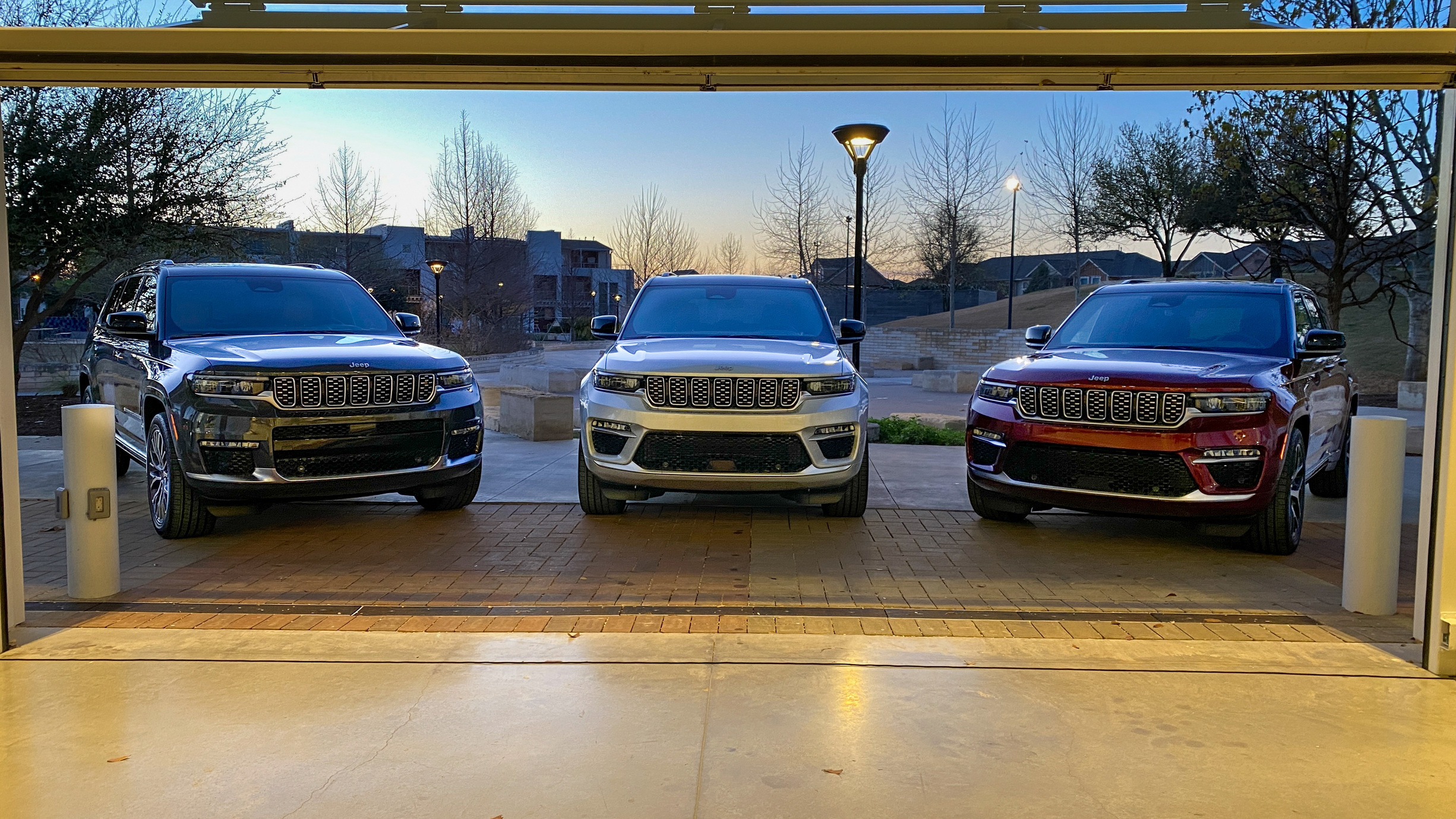
When Louis Huertas agreed to pay $49,000 for a 2025 Jeep Grand Cherokee L showing just 13 miles (21 km), along with trading in his Grand Cherokee for more than its market value at a Bronx dealership in New York, he believed he had secured a pretty good deal. However, according to a newly filed lawsuit, he alleges the SUV he received actually had more than 6,000 miles (9,656 km) and that additional charges were added to the contract without his authorization.
In the filing seen by Auto News, Huertas claims Riverdale Chrysler Dodge Jeep Ram offered 20 percent above market value for his trade-in and agreed to pay off his $25,116 loan balance, contingent on his purchase of the 2025 Grand Cherokee L for $49,000. He says he signed the documents in person and took delivery of the Jeep SUV the same day, but was not given copies of the signed paperwork at that time.
Read: Jeep Fixed These SUVs Once, But The Suspension Could Fall Off Anyway
Shortly afterward, GM Financial Services contacted Huertas and informed him that the dealership had allegedly “falsely certified” the Grand Cherokee L as having only 13 miles, when the odometer reportedly showed more than 6,200 miles.
He further alleges that the sales contract he later received did not match what he agreed to at signing. The document listed a cash price of $51,400, which is $2,400 higher than expected, and included a $3,882 service contract and a $1,000 tire-and-rim package that he claims he did not authorize.
Signature Dispute Claims

The lawsuit also alleges that the electronic signature on the final sales contract was digitally forged. Huertas maintains that the only document he signed electronically was related to the credit application, according to Auto News.
The complaint goes further, alleging this was not an isolated incident. The lawsuit claims the dealership “routinely forges customers’ signatures by use of digital platforms to hide the true cost of borrowing,” and separately that it “routinely hides the true cost of borrowing from its customers by failing to disclose increase in vehicle sales prices and the inclusion of unwanted and undisclosed products.”
GM Financial Services is named as a co-defendant in its role as the assignee of the sales contract.
The lawsuit seeks compensatory and punitive damages based on allegations of fraud, along with claimed violations of the Truth in Lending Act, the Odometer Act, and New York motor vehicle and consumer protection laws.