


- Durango sales surged despite its aging platform and minimal updates.
- V8 availability and pricing adjustments helped drive renewed demand.
- Buyers are favoring simplicity over tech-heavy modern SUVs.
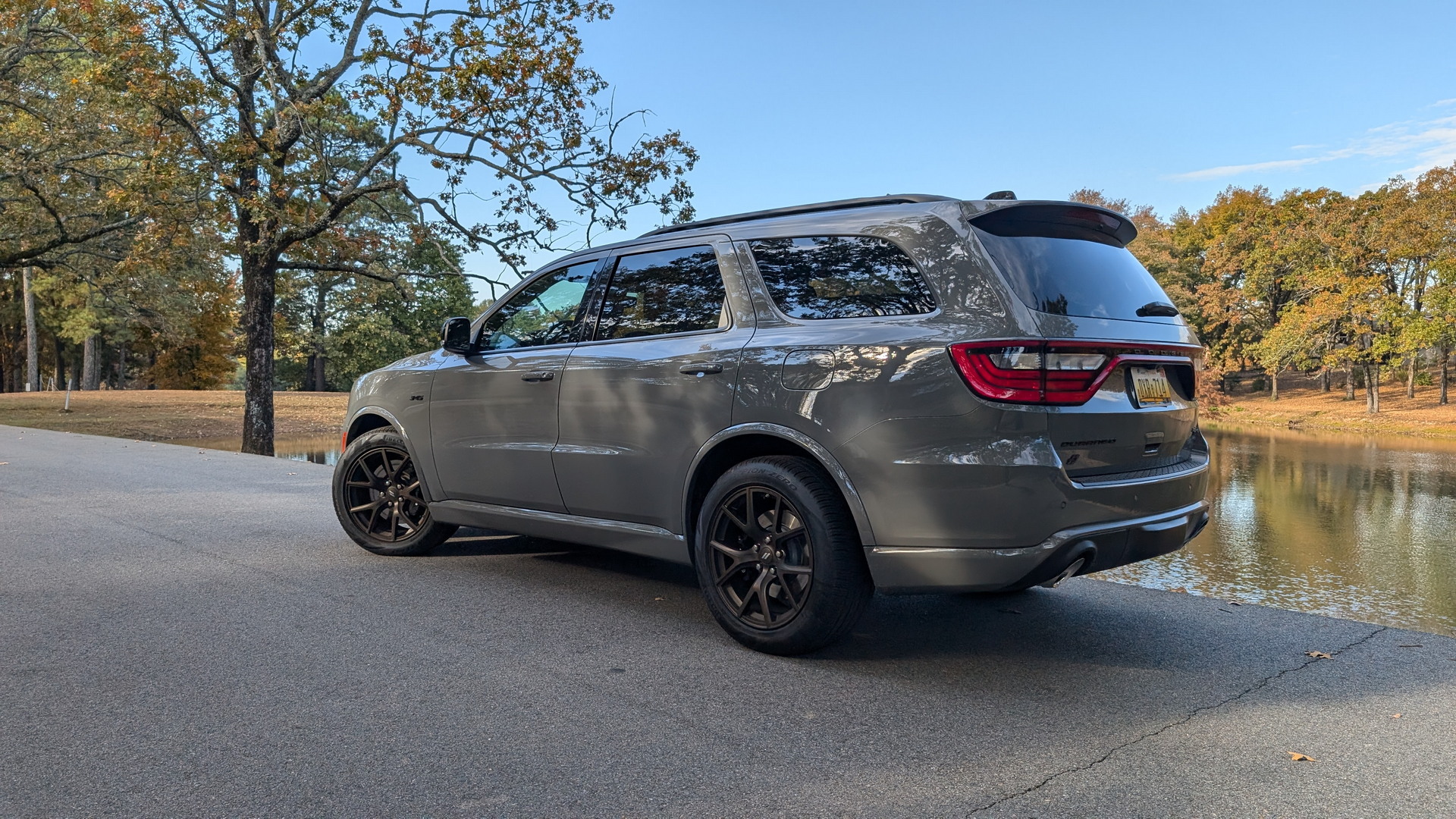
Any executive who walked into an automotive boardroom today and pitched something akin to the Dodge Durango might get laughed out of the room. It doesn’t have giant infotainment screens, electrification, or even some downsized engines to eke out better fuel economy. Despite all that, it’s selling better than ever.
Dodge sold more than 81,000 Durangos last year. That’s up 37 percent compared to 2024, and 2026 is already off to a stronger start, with first-quarter sales jumping nearly 50 percent. That early-year figure translates to 20,300 units moved in just the first three months.
Review: The 2025 Dodge Durango R/T Is The Last Roar Of A Dying Breed
That’s not a clearance sale bump. That’s real momentum for a vehicle most automakers would’ve replaced twice by now. Don’t forget, Dodge introduced this SUV back in 2011. So how is it managing to be this popular?



The 2026 Dodge Durango at the recent NY Auto Show (Photos Stellantis).
“It’s the only V-8 available in the segment, and it allows it to punch above its weight class,” McAlear said in an interview with the Detroit News. “And when I say that, I mean it cross-shops with vehicles in the large (SUV) segment. You know, the larger body-on-frame vehicles. It can match them from a towing capability standpoint, but it’s much easier to drive, it’s much easier to park, it’s garageable.” He’s not wrong about those attributes either.
There are also more grounded reasons behind the surge. Pricing was adjusted after creeping too high, and the availability of the Hemi V-8 expanded across more trims. Both moves widened its appeal without fundamentally changing the product.
Having tested many of the latest three-row SUVs here, including the Nissan Armada, Jeep Grand Cherokee L, Land Rover Defender, and plenty of others, the Durango still stands out when it comes to the way it drives and how fun it is to live with day in and day out. It also helps that Dodge hasn’t over-digitized the experience. That restraint extends to the cabin, where physical buttons and knobs still dominate rather than layers of touchscreen menus.
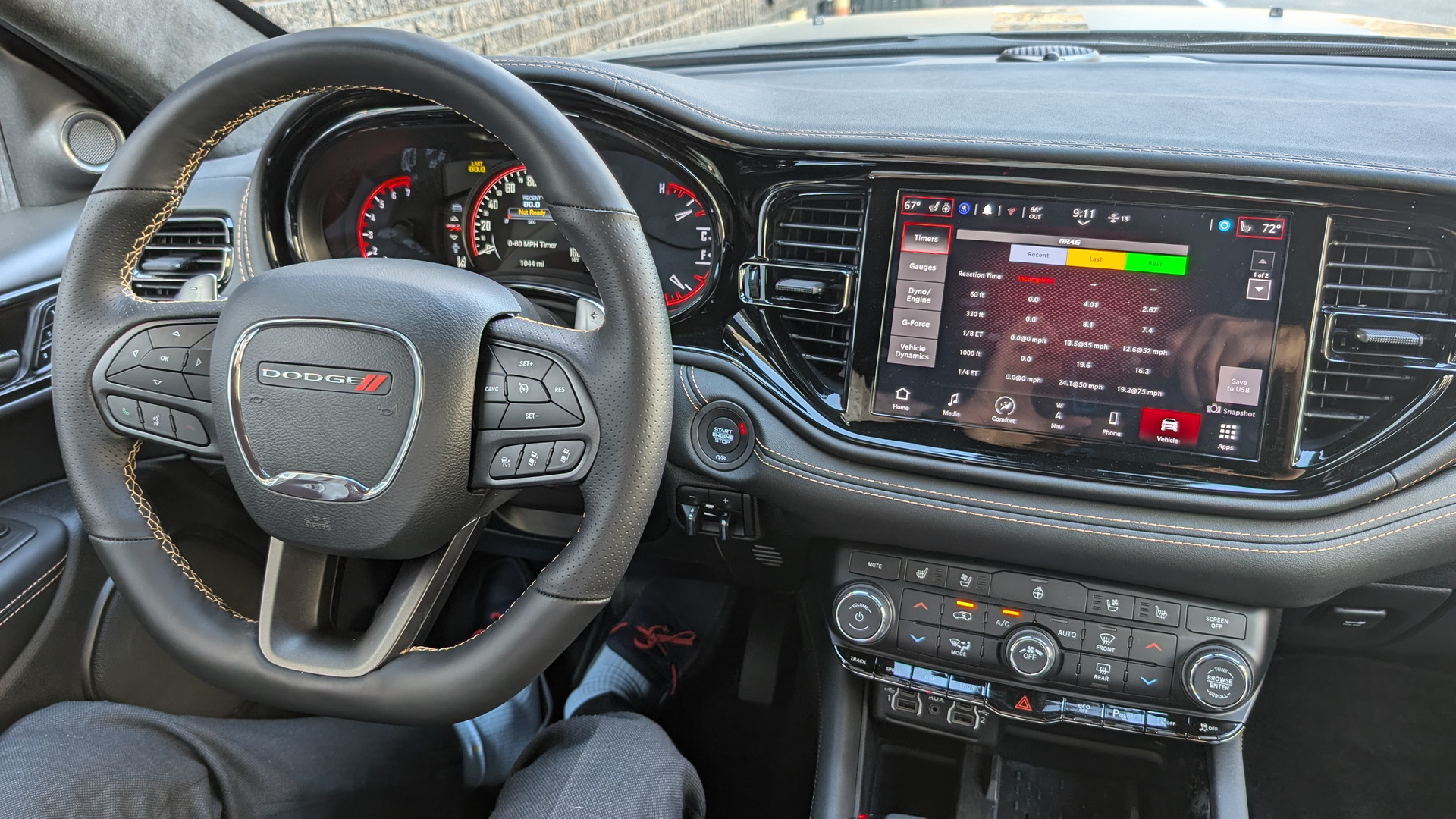
That’s exactly what analyst Karl Brauer is getting at when he points out the Durango appeals to buyers who want nothing to do with modern overcomplication. “You could make an argument that this car is the poster child for consumers who have no interest in modern vehicles and all the things that go with them,” he said.
Basically, many of those buyers are simply looking for something engaging to drive, without what they see as unnecessary extras layered on top. The Durango isn’t winning because it evolved. It’s winning because it didn’t. Hopefully, Detroit is listening.