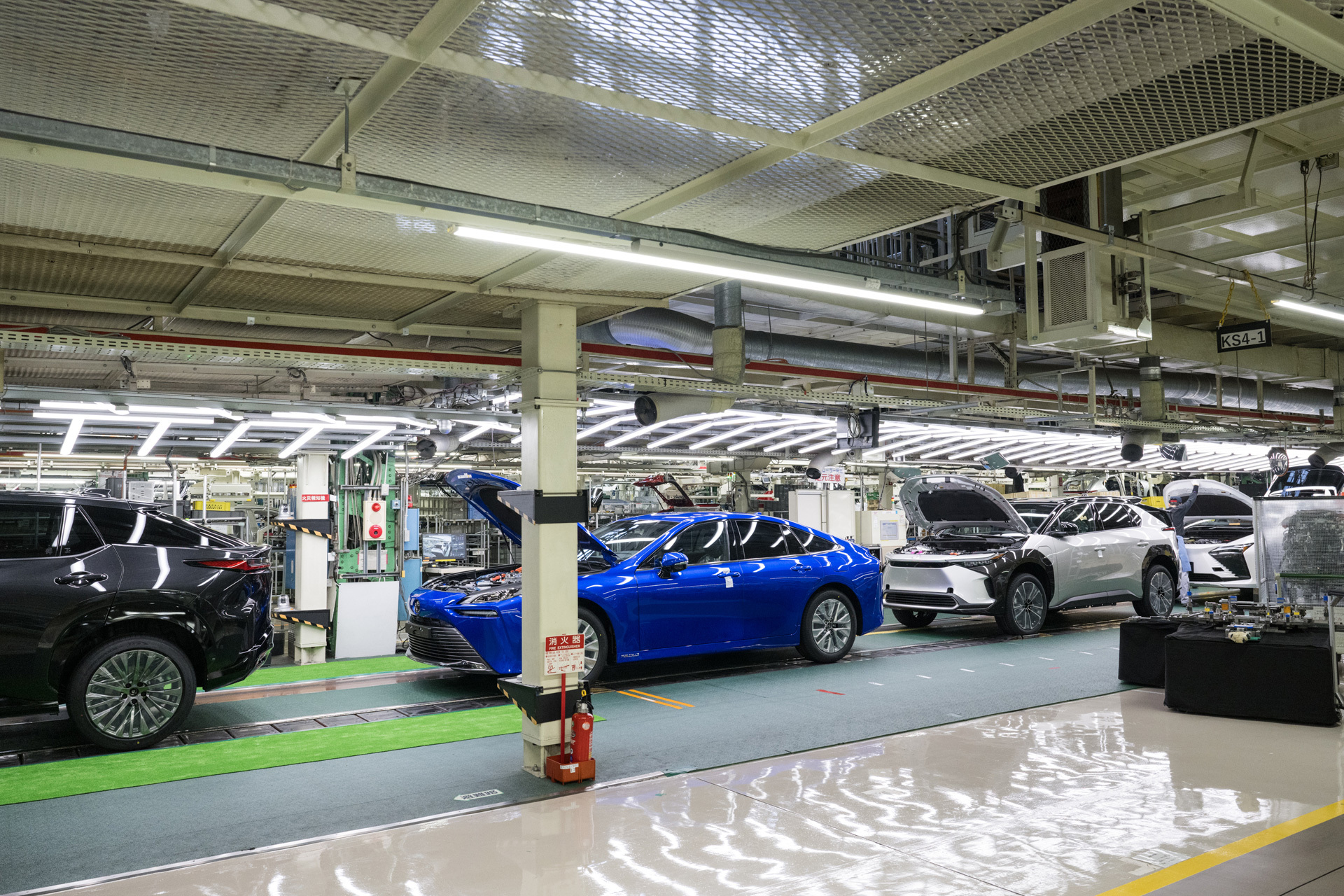
- Toyota’s first new Japanese factory since 2012 is coming in the 2030s.
- Foreign workers must reach 27 % of Japan’s auto workforce by 2040.
- Without that shift, one in four domestic vehicles could go unbuilt.
Toyota plans to increase production in Japan, but to do so, it will have to rely on a growing number of foreign workers. If it doesn’t, production could slip by up to 25 percent, signaling a seismic shift in the country’s automotive labor force that has historically had surprisingly few foreign nationals.
The world’s largest car manufacturer has announced plans to establish a new factory in Aichi prefecture in the 2030s. No specific date has been given, but this will be its first new factory in Japan since 2012. The facility will be located just 3 miles away from a prominent housing complex that’s home to 6,200 people, of which 60 percent are foreigners.
Read: Toyota’s New GR Factory Might Be The Coolest Place To Build Cars
Japan’s automotive workforce currently stands at around 1 million people, with roughly 9 percent coming from abroad. That share has more than doubled from about 4 percent in 2008 to around 9 percent in 2023, but growth at this pace will not be enough. Without faster gains, the industry could fall short of production targets, leaving one out of every four cars unbuilt.
To maintain domestic output at roughly 8 million vehicles in 2040, the foreign worker share will need to rise to about 27 percent, or more than one in four workers.
The Future Is With Today’s Youth
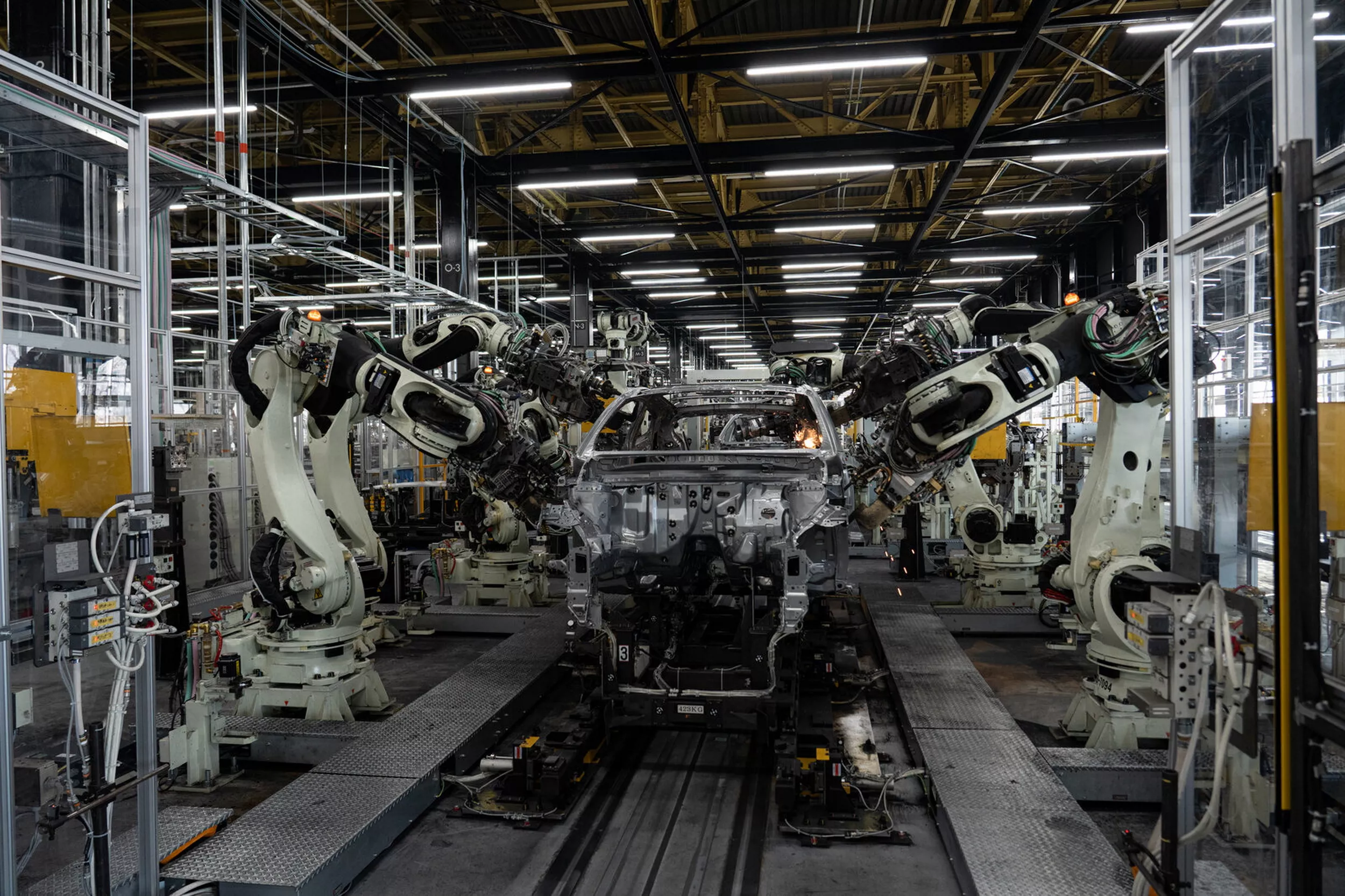
Key to Toyota’s future is Generation Alpha, those born after 2010. According to Professor Atsushi Kogoma from the School of Management at Sanno University in Tokyo, this generation is more willing to co-exist with foreigners in the workplace than other generations. They will be Toyota’s next generation of workers and help drive its ambitions.
As reported by Nikkei Asia, Toyota can’t afford to take its foot off the gas, even if this means hiring more foreigners. For every 10 percent drop in the nation’s auto production, Japan’s GDP falls by almost 1 percent. According to Toyota chairman Akio Toyoda, “We will preserve domestic production no matter what it takes.”
At the start of April, Toyota added 2,317 new employees to its workforce in Japan, hosting a special ceremony for them that included key company executives, the Toyota GR GT3 race car, and the sleek Century Coupe concept.