- VW may be forced to sell one of its European plants to a Chinese firm.
- As many as 50,000 jobs will be impacted by VW cutting production capacity.
- The company says hitting 9 million annual sales is a strong result.
Volkswagen will slash its annual global production capacity by an additional 1 million units as its sales fail to rebound to pre-COVID-19 levels. The production cuts will come in Europe, and mostly impact the VW and Audi brands.
As of last year, the German conglomerate had the capacity to build roughly 12 million vehicles, but it sold only 8.68 million. According to chief executive Oliver Blume, “overcapacities are not sustainable for our company in the long term,” adding that “the volume planning of the past is unrealistic” in the current era.
Read: VW Offers Workers $35,000 To Move And Still Gets Booed
“In Europe, we will also reduce this figure by around one million by 2028, primarily at Volkswagen and Audi,” Blume told Manager Magazin. “We are facing negative impacts in the tens of billions and have taken massive countermeasures. Now the focus is on further lowering the break-even point to become even more resilient in a risky environment.”
Prior to the pandemic, the VW Group was routinely selling over 10 million vehicles annually and approached the 11 million mark in 2017, 2018, and 2019. Blume says 2019 was the last year when the markets were predictable, noting that reaching 9 million units is now a solid result.
A Changing Auto Landscape
“The tariffs imposed in the U.S. are impacting our earnings and making access to an important future market more difficult,” he said. “On top of that, more and more competitors are entering the market. Selling nine million vehicles in this current environment is a strong achievement.” Blume also pointed out how the war in the Middle East has impacted the auto industry, adding “these development are not simply passing.”
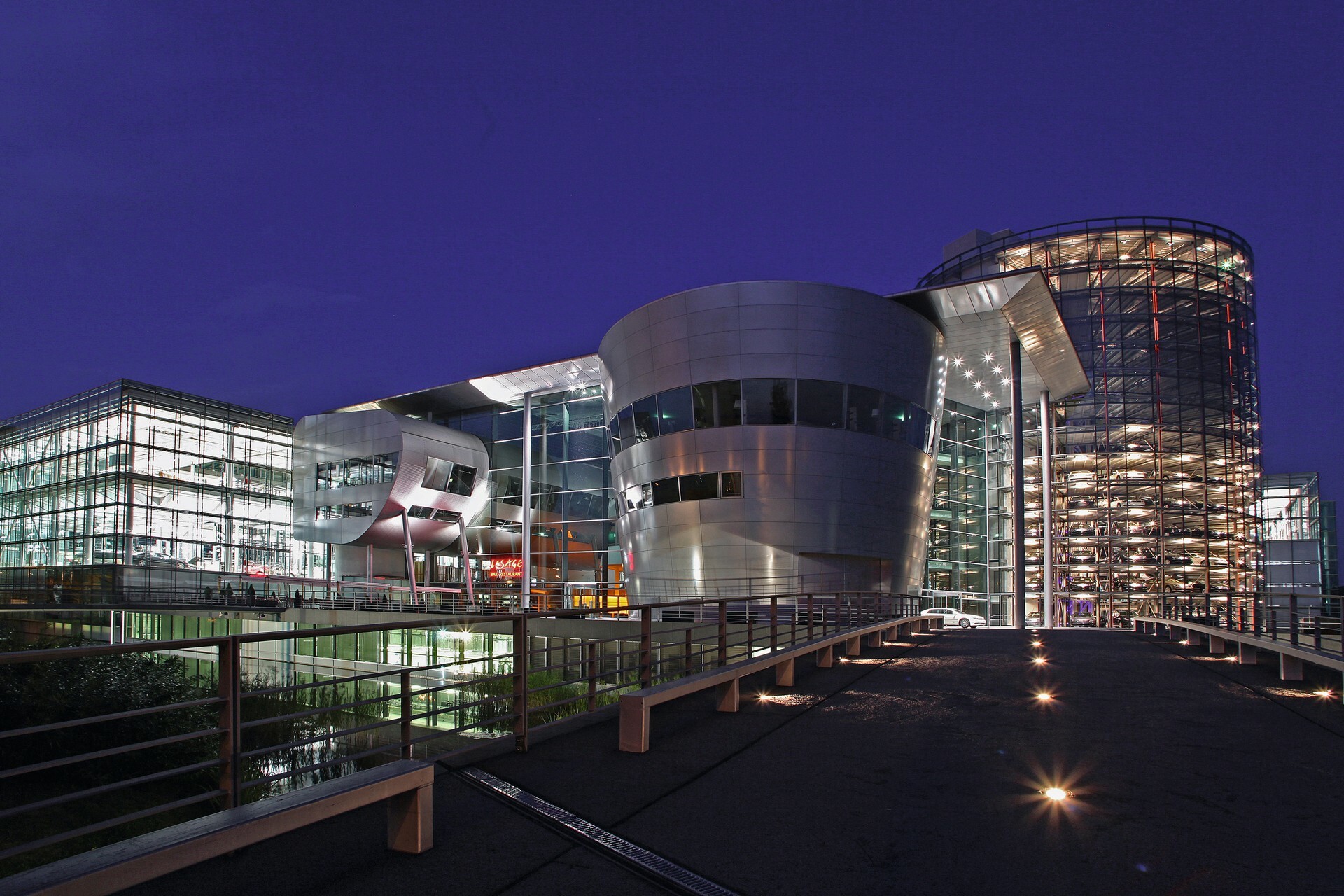
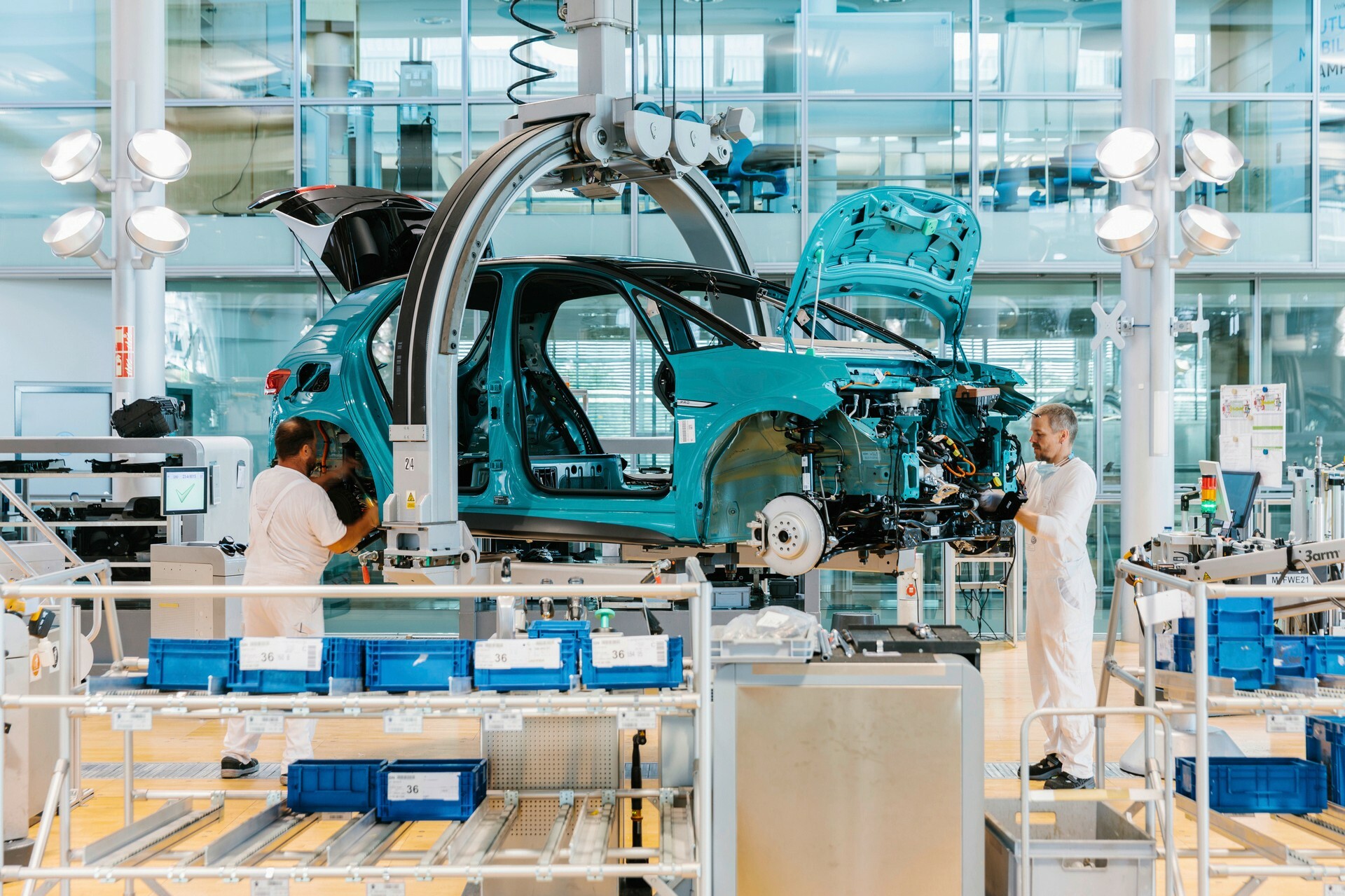
It’s not clear which of VW’s plants in Europe are under threat. Its electric-vehicle plants in Emden and Zwickau currently operate well below capacity, and Blume suggested that one of the brand’s European sites could be sold to a Chinese competitor. In total, roughly 50,000 jobs in Germany are expected to be affected by VW’s cost-cutting and production-slashing measures by 2030.
Despite the doom and gloom around this revelation, Blume expressed optimism about North American production and the new Scout brand.
“These [Scouts] are great cars that fit perfectly into this market. Partnering with others would be a way for us to minimize risk,” he said. “We could share the investment with other companies, and the partners could, for example, use our platform. However, we haven’t made a decision on that yet. The enthusiasm and anticipation for this brand are very high.”