


- FTC wants dealers to report rivals using deceptive advertising and hidden fees.
- Agency says advertised prices must include document fees and mandatory charges.
- Dealers can still show MSRP, but all-in pricing must be more prominent.
The Federal Trade Commission wants car dealers to help crack down on misleading vehicle pricing. On paper, it sounds sensible enough: honest stores report dishonest competitors, the bad actors get punished, and consumers finally stop getting lured in by impossibly low prices that balloon once they reach the showroom. One issue is that this assumes there are enough genuinely “honest” dealers left to make the system work.
During an April 17 webinar with the National Automobile Dealers Association, FTC official Christopher Mufarrige encouraged dealers to report competing stores that violate federal advertising rules. “There remains consumer frustration with prices revealed in advertisements, and then the prices actually offered on the dealer floor,” said agency chairman Andrew Ferguson.
Read: FTC Says 90% Of Buyers Paid $2,000 More Than Advertised At Stellantis, GM And Ford Dealer Group
According to Automotive News, the agency has already sent warning letters to 97 dealer groups over possible pricing violations and now appears eager to deputize the rest of the industry. There’s little doubt that deceptive pricing is widespread. Hidden document fees, mandatory add-ons, fine-print disclaimers, and bait-and-switch offers have been part of the dealership playbook for years.
The FTC says dealers must now advertise the true all-in price, including doc fees, rather than burying them until the customer is deep into the buying process. But if these practices are as common as regulators suggest, there is an obvious flaw in asking dealers to police one another: many may have little interest in doing so.
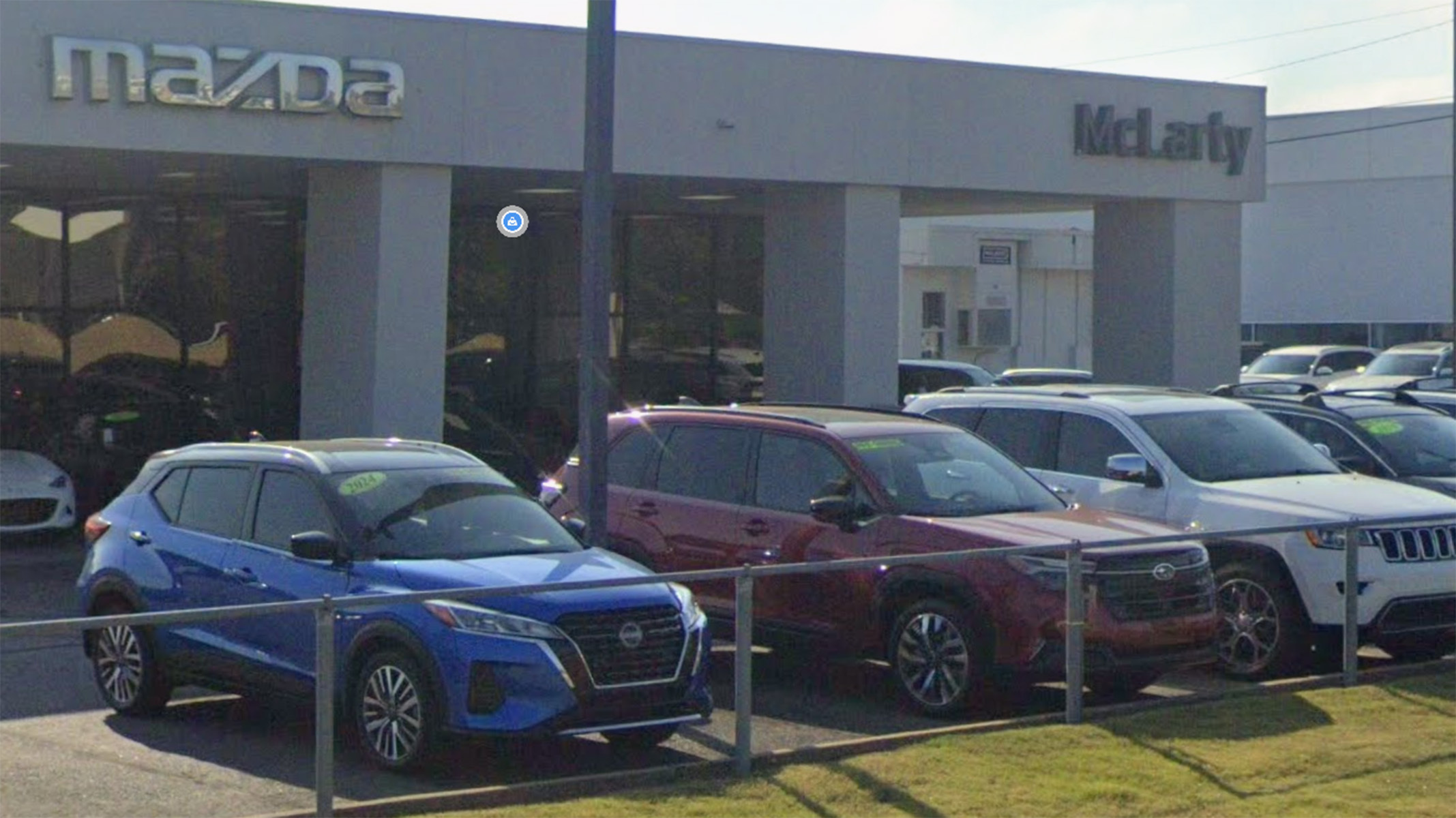
It’s not hard to imagine some stores quietly reaching an unspoken truce. You don’t report us, we won’t report you. Everyone keeps advertising unrealistically low prices, everyone keeps driving traffic, and nobody risks bringing regulatory heat down on the local market.
Then there’s the opposite scenario. A dealership could report a rival, watch the FTC hammer them into submission or drive them out of business, and then go right back to using the same tricks once the competition is weakened. After all, if one bad apple disappears, another store can quickly take its place.
If the FTC is serious about changing dealership behavior, relying on competitors to rat each other out may not be enough. More likely, it will require aggressive enforcement, random audits, and meaningful penalties that make deceptive pricing more expensive than simply telling the truth.