Oil Inventories Hitting 'Dangerously Low Levels' And You're About To Pay The Price
If the situation doesn't improve soon, Californians could be paying $9 per gallon of gas
- Oil officials are reportedly sounding the alarm bell about low inventories.
- With the Strait of Hormuz closed, companies have been burning through existing stock.
- This is now drying up, which could cause energy prices to soar in a few weeks.
Gas prices have been retreating as the national average has dropped to $4.22 per gallon. That's down from $4.39 last week and $4.48 a month ago. Unfortunately, it appears the relief is only temporary.
According to Politico, oil industry officials are warning the Trump administration inventories are reaching "dangerously low levels" and energy prices could soar in a matter of weeks. The problem is the result of the closure of the Strait of Hormuz, which has forced a number of companies to draw on reserves.
More: Gas Is Up 33% From A Year Ago And Diesel Is Closing In On Its All-Time High
Those inventories are now starting to get low and that's a huge problem. As one executive said, they've warned the "highest levels of government about what's coming in mid-to-late June." They added, "I hope they are paying attention to inventories right now. You're hitting tank bottom."
Administration officials pushed back on this, but industry figures have been discussing it publicly for awhile. At the 42nd Annual Bernstein Strategic Decisions Conference, ExxonMobil Senior Vice President Neil Chapman said "We're approaching unheard of inventory levels. I mean, really, really low levels."
He went on to suggest "once you get to that really low inventory level," dated Brent oil prices could shoot up to around $150 to $160 per barrel. To put that into perspective, Brent is currently trading at a little under $93, so we could be looking at an increase of roughly 61-72%.
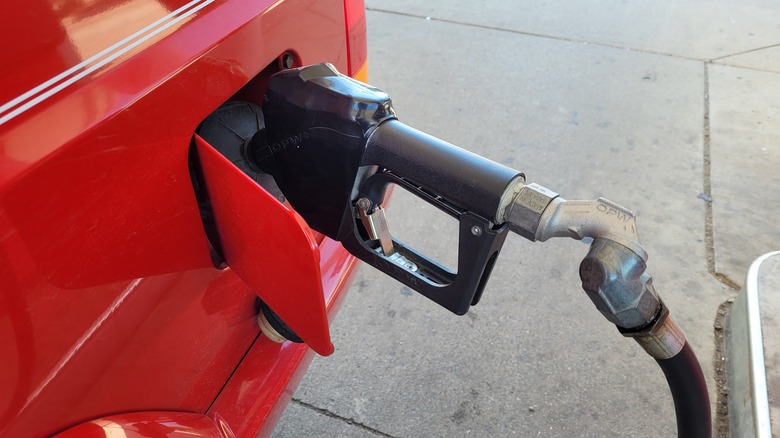

More importantly, Chapman said at $150 per barrel, gasoline could cost $9 per gallon in California. That would be a huge increase from the current average of $5.95.
While Washington is downplaying the problem, data from the Energy Information Administration shows "US crude stocks held by companies fell by 8 million barrels last week, the eighth straight weekly decrease, and are now 3% below the five-year average." The publication added that commercial petroleum inventories are down 52 million barrels from when the war started in February.
The massive supply disruption from the closure of the Strait of Hormuz has been partially offset by releases from the strategic petroleum reserve. This was part of a larger coordinated effort to keep oil prices down, but global petroleum inventories have reportedly been falling by around 5.8 million barrels per day since the war began.
The whole report is worth a read, but things aren't looking good especially as the stalemate between Iran and the United States has started flaring up. Furthermore, Trump administration officials have repeatedly said a deal was close, but nothing has come out of those assurances.
Even if a deal is struck and the Strait of Hormuz is fully reopened, things won't magically go back to the way they were.