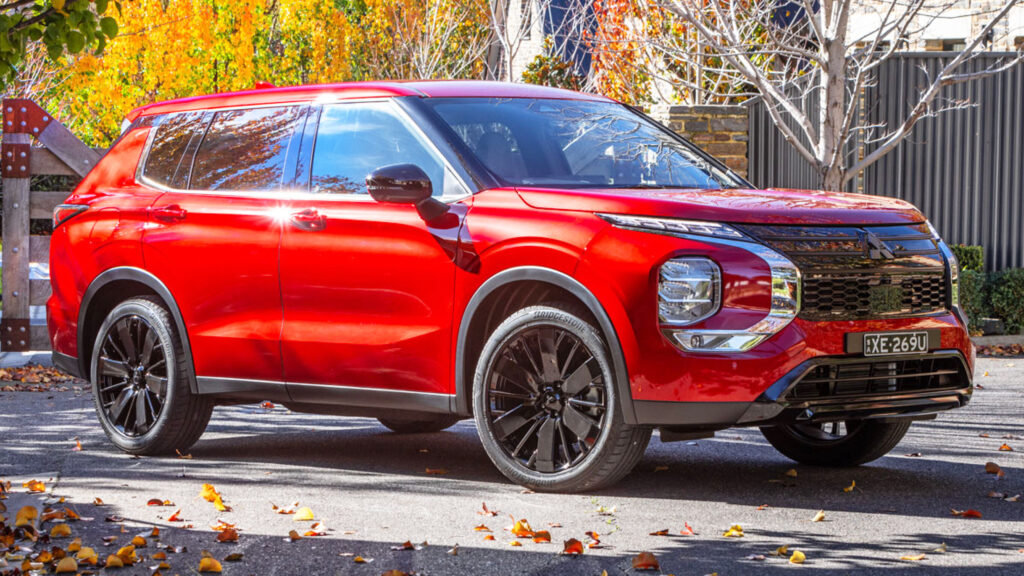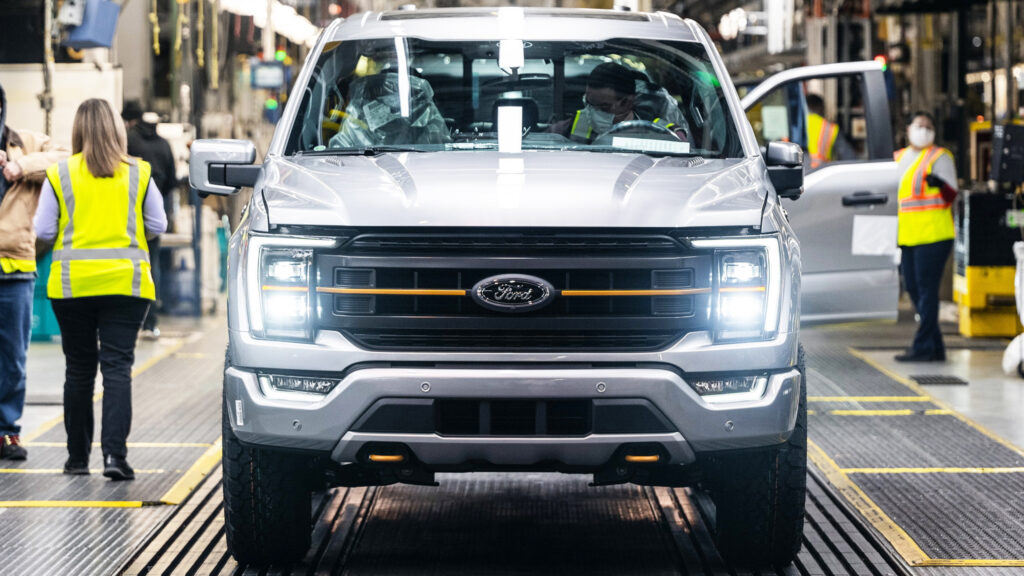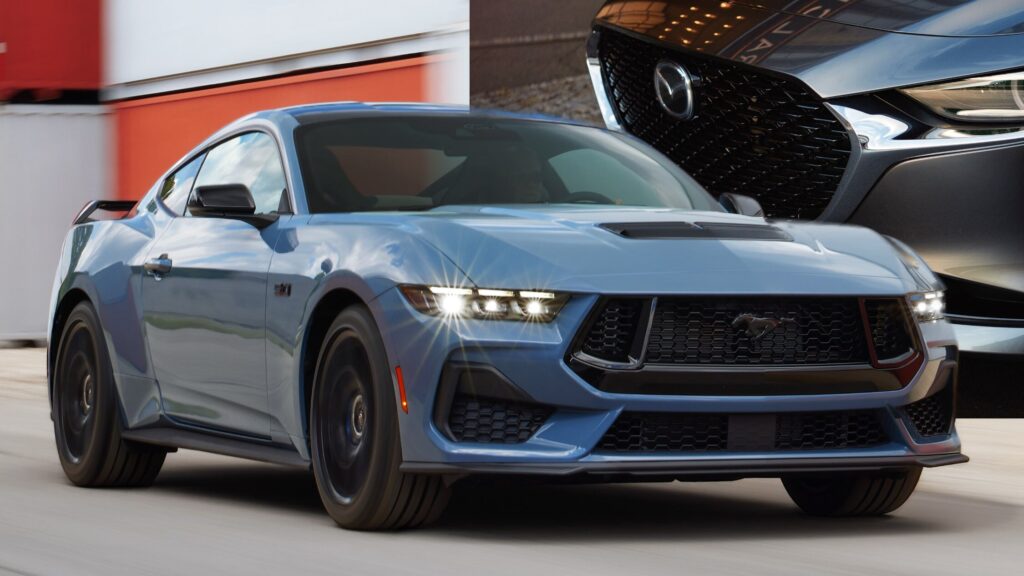



- Mazda believes stronger brand identity could unlock American sales growth.
- North American CEO wants customers forming deeper emotional connections.
- Tom Donnelly wants to reach 500,000 US sales, up from around 400,000 today.
Mazda’s top executive in America thinks the brand has a problem. It’s not a lack of new models, it’s not even that those models are burning drivers’ butts, and it’s not that the dealers aren’t up to scratch. No, the one thing preventing the automaker from really racking up some huge sales numbers is that people still can’t clearly explain what Mazda actually stands for.
Speaking to Automotive News during Mazda’s annual dealer gathering in Texas, Mazda North American Operations CEO Tom Donnelly admitted the company’s biggest long-term challenge is identity. If you stopped random people outside and asked what Mazda represented, “you’d get 10 different answers,” he said.
The Cost Of A Wider Lineup
That uncertainty, he admitted, is what keeps him awake at night. And maybe in part that uncertainty is down to Mazda’s product expansion over the last few years. Donnelly recalls that at one time Mazda was known outside of the enthusiast community primarily for its compact 3. Later, the CX-5 became its defining model. Now Mazda has several vehicles contributing meaningful volume, including the CX-50, CX-70 and CX-90, but they’re more diverse in terms of price and size.
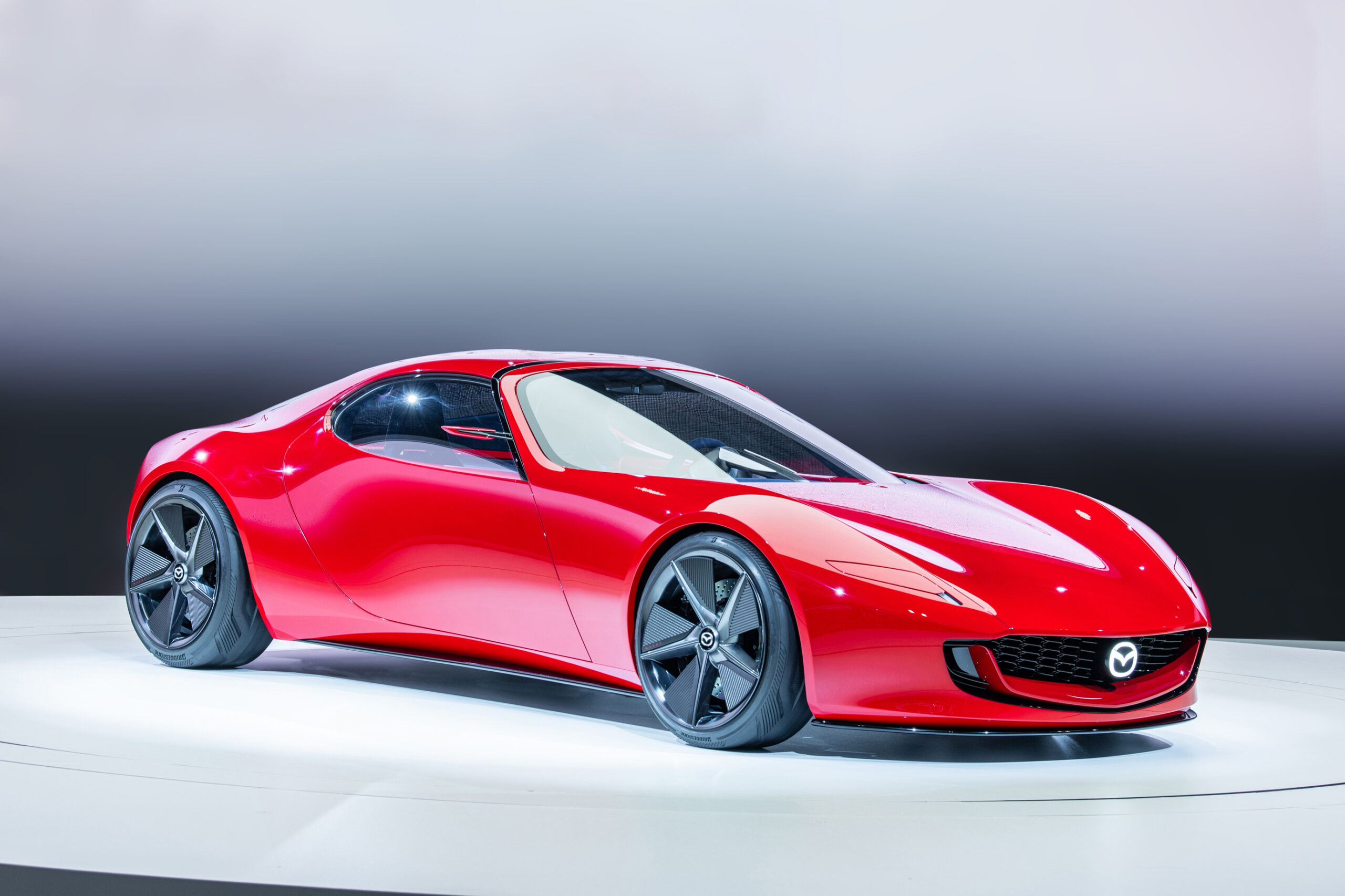
Mazda doesn’t sell giant body-on-frame SUVs or pickup trucks like many rivals, but it increasingly prices and presents itself above mainstream competitors. At the same time, it still isn’t fully viewed as a luxury brand either. That leaves it living somewhere in the middle, and trying to work out what it needs to do to push from 400,000 annual sales in the US to 500,000.
Read: How Mazda’s SUV Lineup Became The World’s Most Confusing Family Photo
Donnelly reportedly told dealers the company needs to become more distinctive and desirable while creating stronger emotional ties with customers. The broader goal is making buyers more likely to return repeatedly rather than drifting toward competing brands after one lease cycle. “Stickier,” is how Donnelly described to Automotive News his hopes for future Mazda customer retention.
Dealer Experience Helps Shape Brand Identity
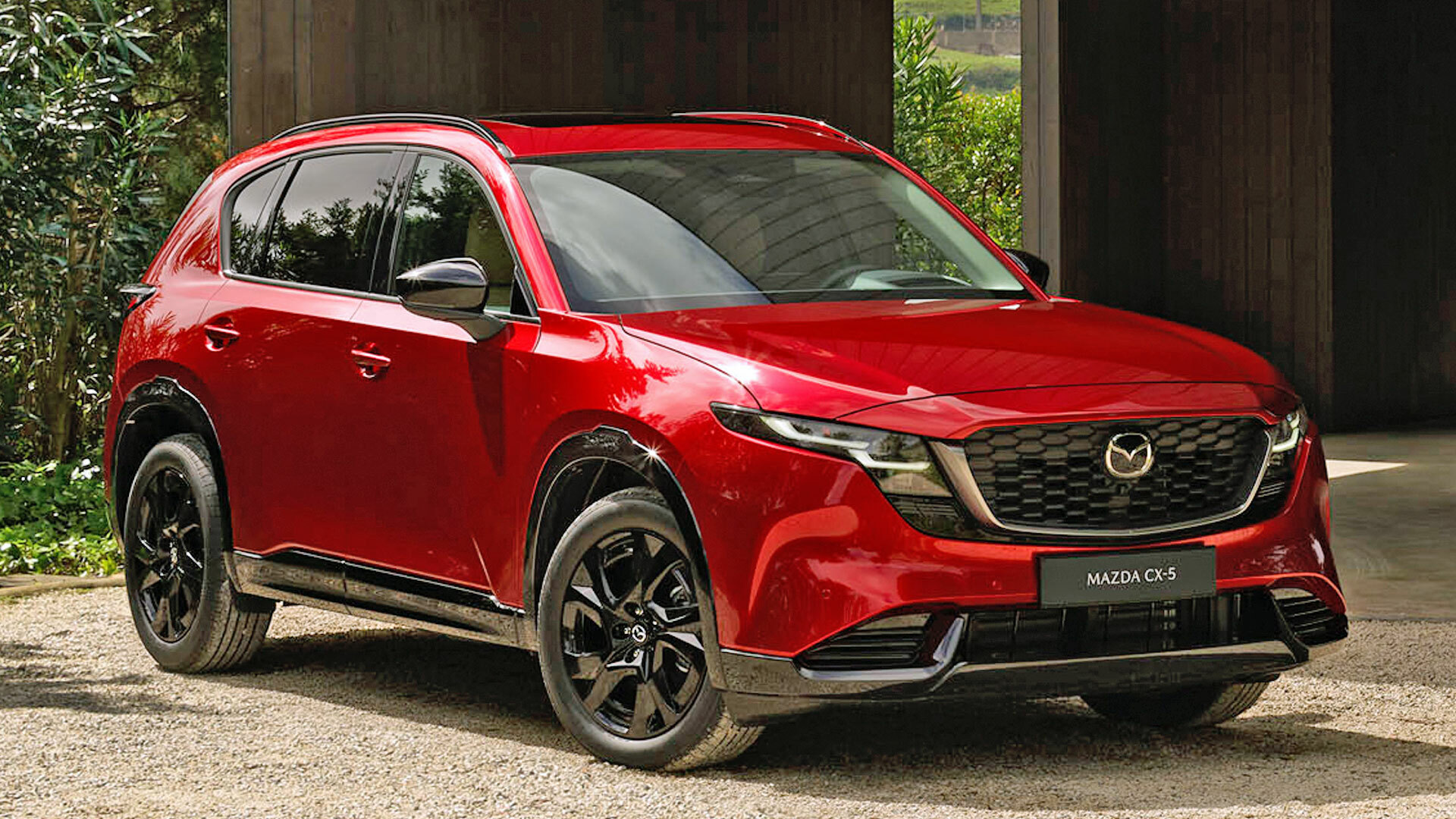
That’s easier said than done in a market where nearly every automaker claims sporty handling, premium interiors and advanced technology. Mazda believes the retail experience will help sharpen its identity. Dealers have invested heavily in updated stores and Mazda thinks that environment can reinforce the brand’s image.
Still, the bigger question remains surprisingly simple. What exactly is Mazda in 2026? Is it a near-luxury alternative to Toyota and Honda? A driver-focused mainstream brand? A Japanese Alfa Romeo with reliable engineering? Something else entirely?
We’re curious to know what you think. What does Mazda stand for in your mind, and what should the company do to finally create a clearer identity with buyers?