- The V12-powered track weapon needs a new brake master cylinder.
- Aston Martin says a fault could cause a brake cooling duct to catch fire.
- A Valkyrie prototype caught fire in late 2022 because of the fault.
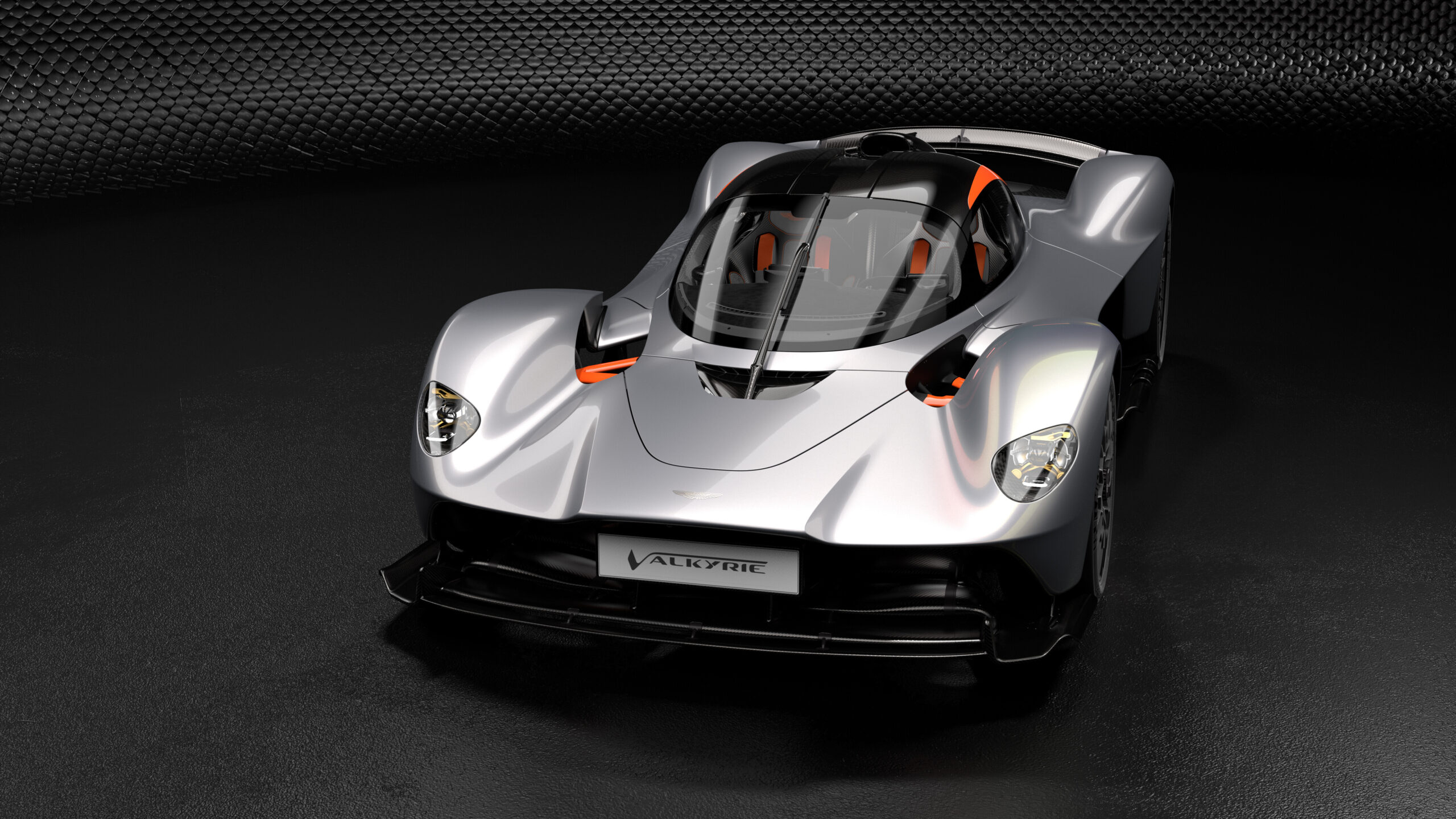
A handful of Aston Martin Valkyries in the United States are being recalled, though owners shouldn’t worry about running into the problem on a public road. According to Aston Martin, it can only occur at slip angles and speeds you’d reach on a racetrack.
Of the 51 Valkyries currently in the United States, only seven carry the optional track suspension, and those are the cars that may be impacted. The company says a seal in one of the brake master cylinders can deform, and when it does, brake fluid may not return to the reservoir after the driver lifts off the pedal.
Read: He Bought A $3.5M Aston Martin And Almost Crashed Because It Was Too Loud. Now He’s Suing
From there it snowballs. Brake pressure can reach a saturation point, the brakes start dragging, and temperatures spike. Get them hot enough and the resin in the carbon-fiber rear brake cooling duct can hit its ignition point and catch fire.
When Can It Happen?
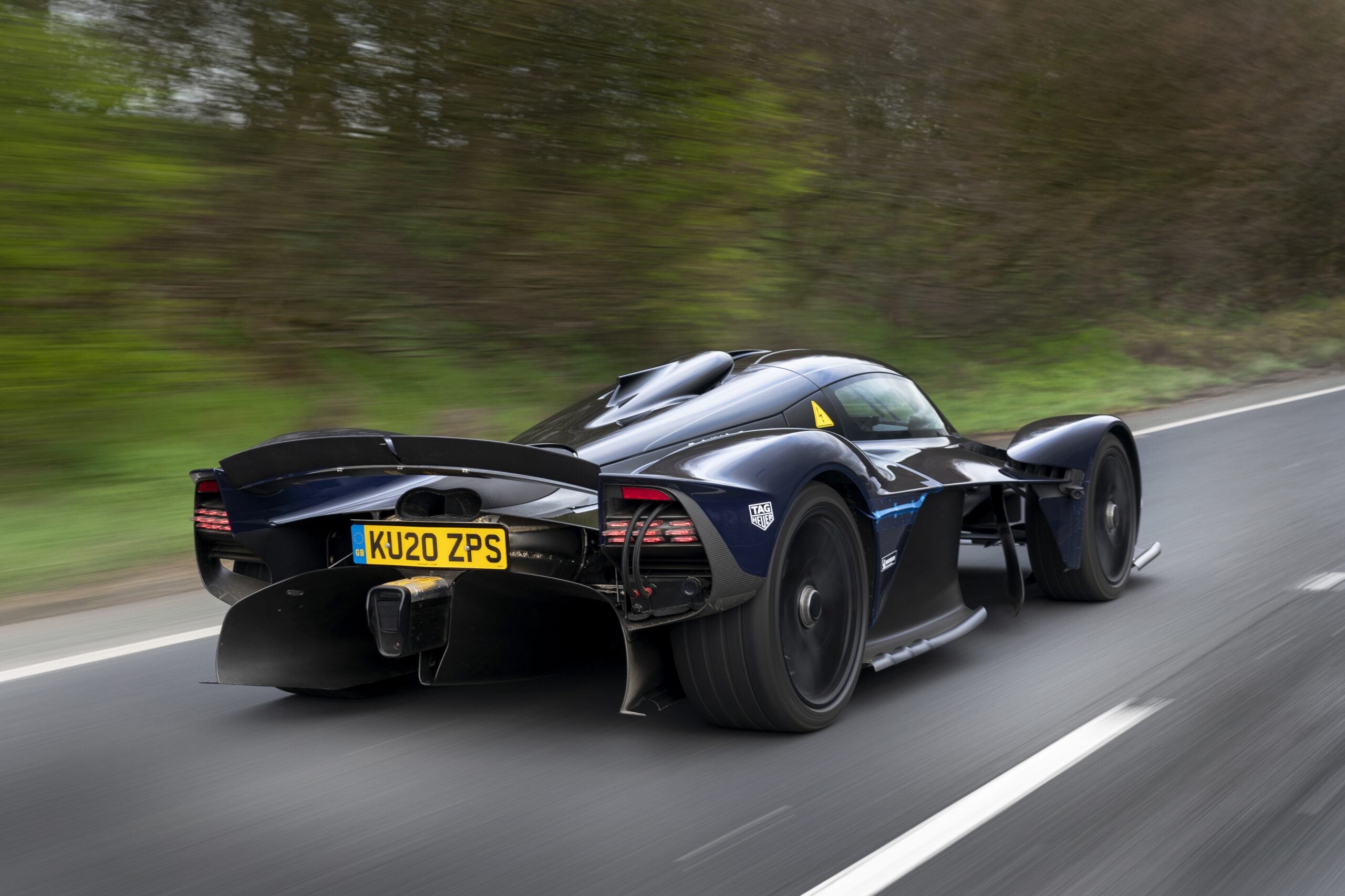
Aston Martin notes the issue may only occur under very specific circumstances. Vehicles must be driven on a track, the ESC must be set to ESP Sport, ESP Track, or ESP Off, and the car must be oversteering and exceed specific yaw rate and body slip angle thresholds. What’s more, the driver must be countersteering, prompting the ESP to apply the brake on the front inside wheel, and using the throttle during or just after brake application, so the ESP also intervenes on the rear inside wheel, building up pressure.
Read: Someone Spent New Ferrari Money On Options, Only To Dump This Aston After 60 Miles
A prototype of the Valkyrie experienced this issue during testing in November 2022, leading to a small fire on the rear quarter panel. Impacted models were assembled between December 19, 2023, and December 20, 2024.
Aston Martin will alert owners to the recall this month and inform them of the remedy in November. Dealers have been instructed to replace the brake master cylinders. These new components include a new seal and piston designed to operate more effectively when ESP and traction control are applied.