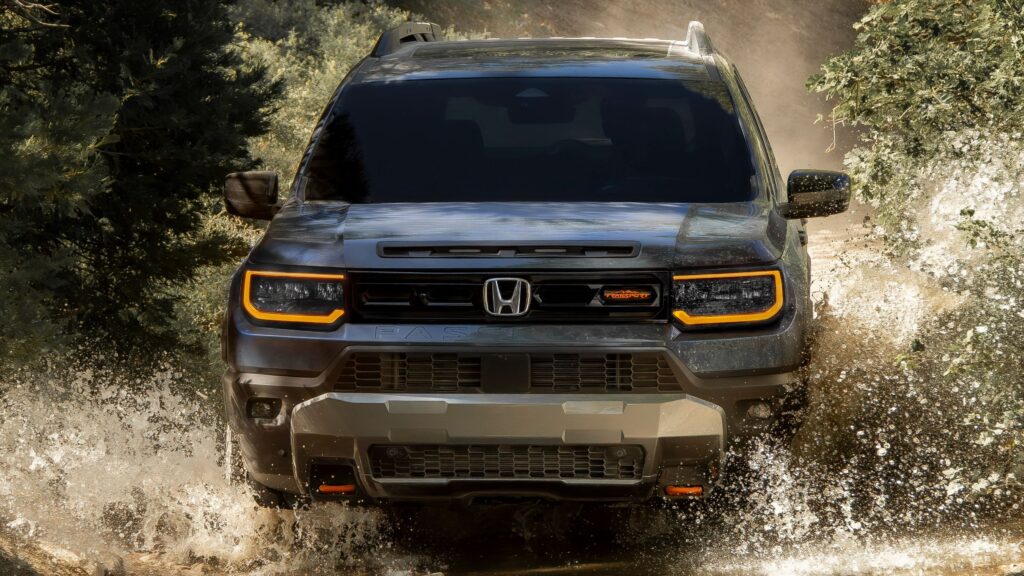



- Iowa will raise the default limit on most rural two-lane highways.
- The new law gives minor speeding tickets less weight with insurers.
- Officials expect travel speeds to stay close to current norms overall.
Despite the fact that we’re in the year of our Lord 2026, Iowa’s rural highway speed limits have remained capped at a tortoise-like 55 mph (89 km/h). Starting July 1, that number becomes 60 mph (97 km/h). It’s not much, but it firmly puts Iowa among a growing number of states that have nudged speed limits upward to better match the realities of modern driving, safety, and roadway design.
The change comes through Senate File 378, which Governor Kim Reynolds signed into law on June 1. The legislation amends Iowa’s default speed limit statute, raising the statewide default for vehicular traffic from 55 mph (89 km/h) to 60 mph (97 km/h) unless a different restriction is posted.
Swapping Signs Won’t Be Cheap
According to the Iowa Department of Transportation, roughly 1,800 speed limit signs will need updating. Rather than replacing every sign immediately, the law specifically allows agencies to use temporary overlays or stickers until signs can be replaced under normal maintenance schedules. By the time the signs are updated, it’ll cost some $270,000, the state estimates.
Read: Virginia Will Put A Speed Nanny In Your Car If A Judge Decides You Can’t Be Trusted
The speed increase is the headline-grabber, but the legislation includes another noteworthy provision. Beginning July 1, the first two speeding violations in a 12-month period that are 10 mph (16 km/h) or less over the posted limit generally cannot be used for certain licensing, insurance-rating, or policy-renewal decisions when they occur in zones posted between 34 mph (55 km/h) and 61 mph (98 km/h).
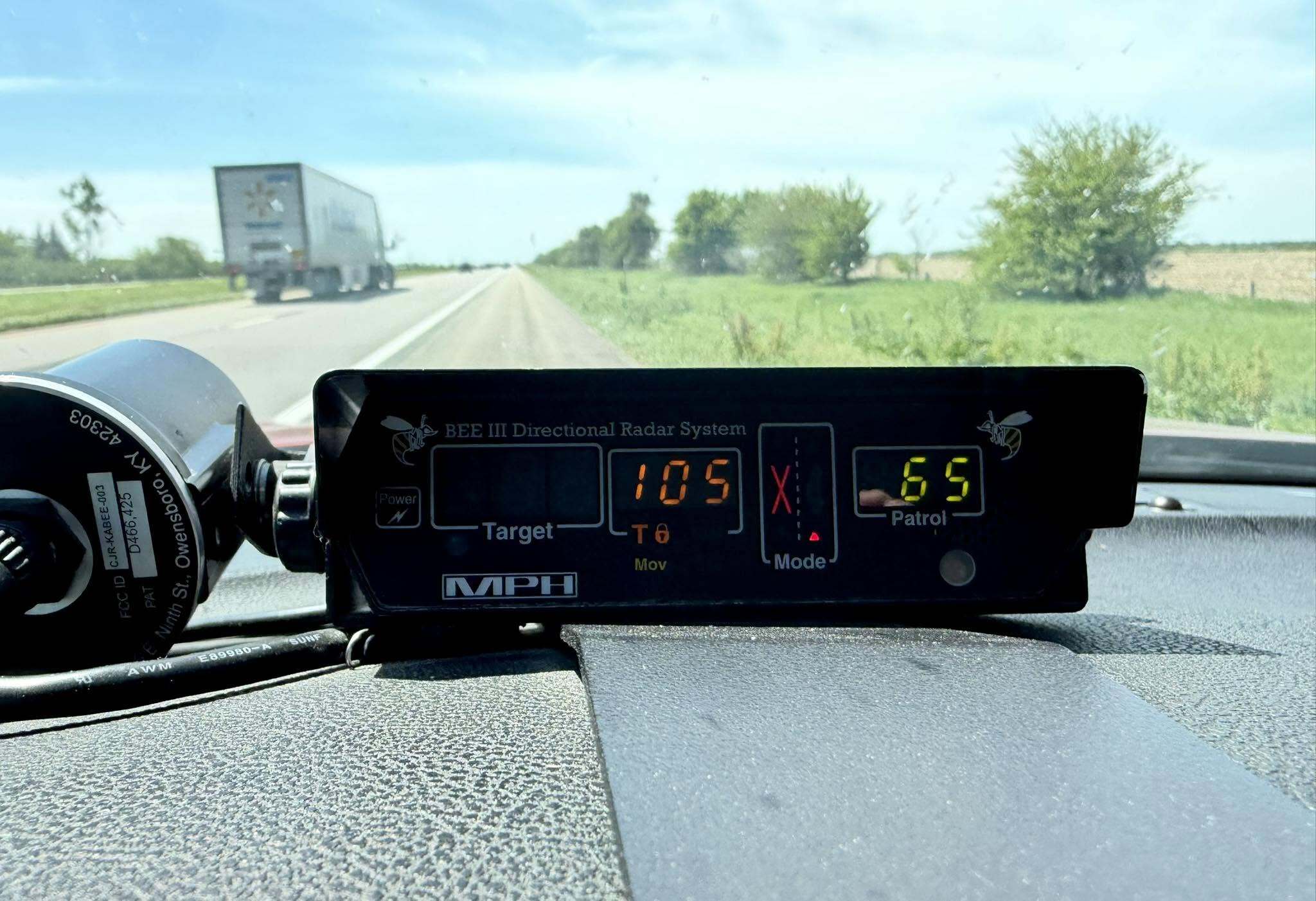
That means a driver cited for traveling 65 mph (105 km/h) in a newly posted 60 mph (97 km/h) zone could still get a ticket, but the violation may not carry the same long-term consequences for insurance premiums or driving record as more serious speeding offenses.
Even The Cops Think The Limits Are Too Low
In case we need any additional proof that speed limits are outdated, officials openly admit that this change won’t actually do much to affect driver behavior. Major Chris Smith with the Linn County Sheriff’s Office told KCRG that “By us stopping a car in the middle of that [speeding] traffic, we’re creating more of a hazard,” he said. “Sometimes allowing the public to drive a little bit faster makes it safer not only for them, but for us as well.”
That sentiment isn’t unique, and 60 mph (97 km/h) on a rural highway still seems low compared to other states. Texas has at least one highway with a limit of 85 mph (137 km/h). Arizona is considering nixing speed limits altogether on rural highways during daylight hours.
What seems like the right move to you? Let us know in the comments below.