


- Toyota and Nissan issue quality disclaimers for US-built Tundra, Highlander, and Murano.
- Buyers in Japan are being warned about paint defects, panel gaps, and alignment.
- US-made cars, trucks, and SUVs arrive as trade pressures push exports into Japan.
For decades, Japanese automakers have spent fortunes building a reputation for obsessive quality. And now Japanese buyers have such high standards as a result that Toyota and Nissan are warning customers there that some of their American-built vehicles might not quite live up to domestic expectations.
The warnings apply to imported vehicles from the United States, including the Texas-built Toyota Tundra, the Indiana-built Highlander, and Nissan’s Tennessee-built Murano. These models are part of a push to bring more American-made vehicles into Japan, a move that has gained momentum amid ongoing trade discussions between Washington and Tokyo.
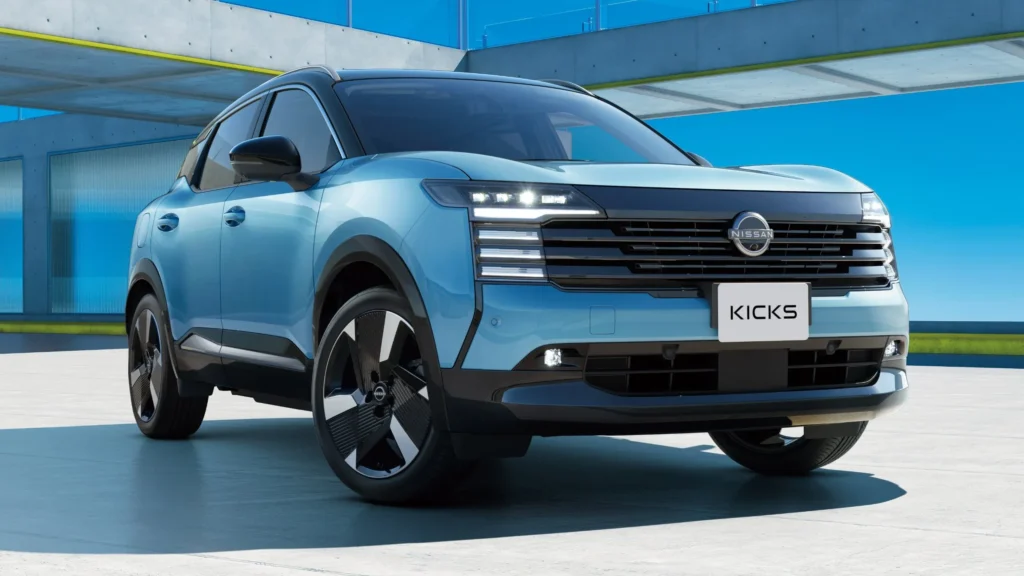
Also: Japan Gets A $18,700 Hybrid Kicks And A Rugged Rock Creek, We Get Neither
But what the manufacturers are telling customers before they sign on the dotted line is seriously embarrassing for the American auto industry. Toyota’s Japanese documentation repeatedly reminds buyers that these vehicles were designed for overseas markets and may differ from domestic expectations. And we’re not talking about differing tastes in paint colors and upholstery.





In perhaps the most eyebrow-raising section, Toyota notes that the paint finish on imported Tundras and Highlanders reflects an “overseas-market finish” and that customers may encounter examples including “thin paint,” “color variation,” “polishing marks on painted surfaces,” “dents in painted surfaces,” and even “paint blistering.” The company stresses these issues “do not affect function or performance.”
Read: Two American Brands Crack CR’s Top Ten As Stellantis Crowds The Bottom
As pointed out by Australia’s Drive, Nissan goes even further with the Murano. Its customer guidance states that the vehicle is “finished for overseas markets” and differs from Japanese quality standards. Buyers are warned they may find “a small amount of dirt on the painted surface,” traces of sealant, and “a slight misalignment such as a step or surface difference of the panel or part.” Again, Nissan emphasizes these issues don’t affect performance.
Want Navigation Or Radio? Better Get Your Phone Out


The quality disclosures aren’t the only compromises. Toyota tells Tundra buyers that Road Sign Assist may not work correctly in Japan and that infotainment displays remain English-only. Nissan notes that the Murano lacks Japanese-language menus, AM and FM radio functionality, and NissanConnect services.
To be fair, neither company is claiming the vehicles are outright defective. They’re simply setting expectations for customers accustomed to some of the highest manufacturing standards anywhere in the world. But it’s hard to imagine a more backhanded sales pitch.
And with so many other vehicles available to Japanese buyers that don’t need quality warnings and come with functioning infotainment systems, it’s hard to see these allegedly badly-built American oddballs getting much sales traction.
Have you got a US-built Nissan Murano, Toyota Highlander, or Tundra? Does your SUV truck have the kind of paint defects the automakers are warning about? Drop a comment below and let us know.