- Real-world tests show external canopies drop cabin heat by 18°F (10°C).
- Classic interior accordion shades only drop ambient air temps by 7°F (4°C).
- A darker paint choice adds another 9°F (5°C) to internal cabin temps.
Right now, the Northern Hemisphere is deep into summer, and across Europe, the heat has climbed high enough that opening the door of a parked car feels like opening an oven. Europe’s largest motoring association, Germany’s ADAC, wanted to know which accessories actually keep that greenhouse effect in check, so it ran a real-world test and published the numbers.
The work dates to 2021, carried out at the ADAC Technical Center in Landsberg am Lech, Germany. Engineers left vehicles baking in the midday sun and measured how aftermarket sun protection, tinted glass, and the factory paint each changed the outcome.
More: EVs Might Hate The Cold, But Hybrids Hate The Heat
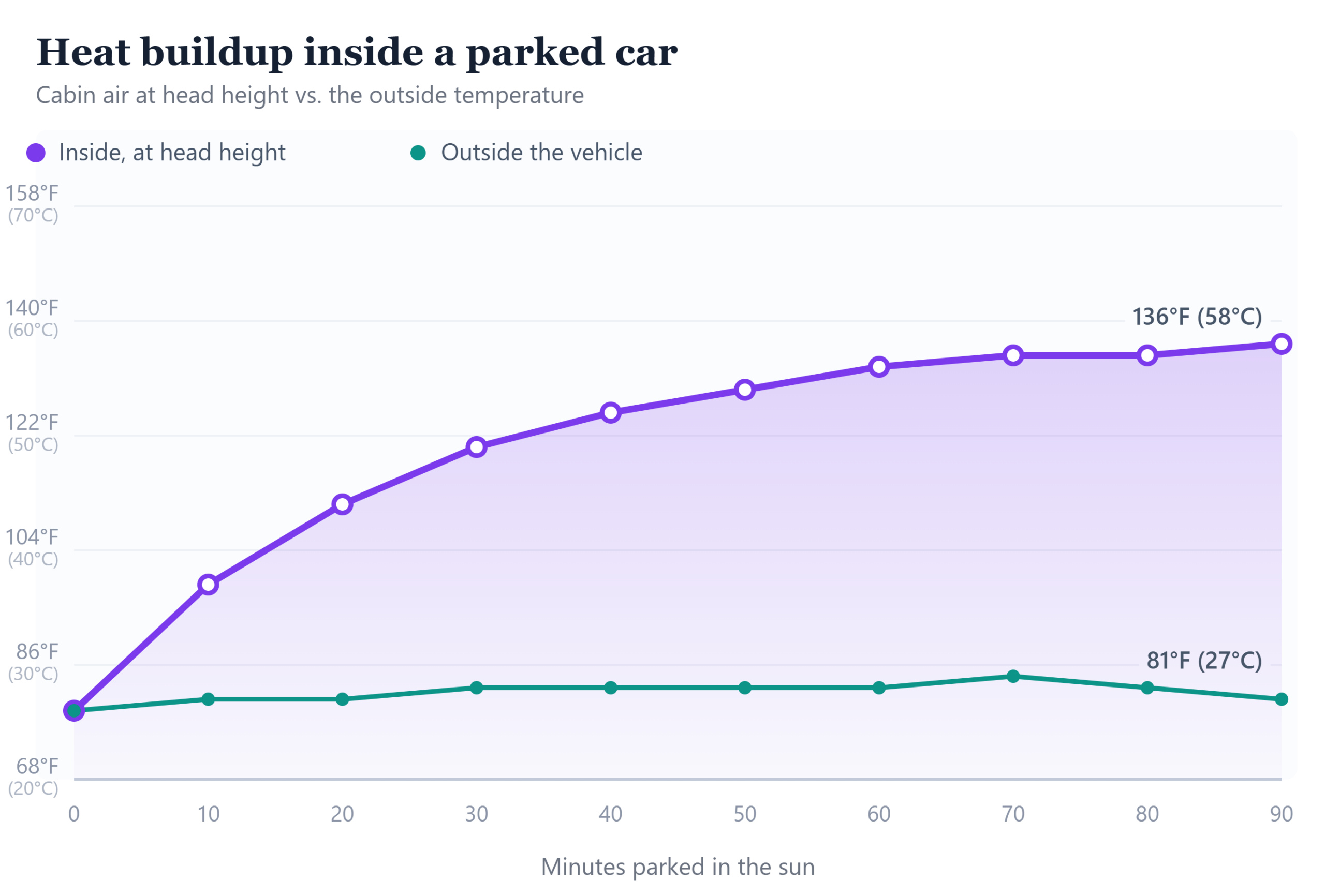
The unprotected car set the grim baseline. Thirty minutes in the sun pushed its cabin to 50°C (122°F), and after 90 minutes, it hit a brutal 60°C (140°F). Worse still, the dashboard, steering wheel, and gearknob, all sitting in direct sun, can climb past 70°C (158°F) on the surface, which is hot enough to burn your skin.
The Half Cover Wins
The most effective solution among the ones tested was the traditional half cover that drapes over every glass surface and the roof from the outside. With that canopy in place, the cabin held at a far more livable 43°C (109.4°F), a full 10°C (18°F) cooler than the bare car and proof that the simplest answer is sometimes the best one.
More: A Sun Visor Set A Ford Ranger On Fire, And Now 140,000 Are Recalled
Tesla
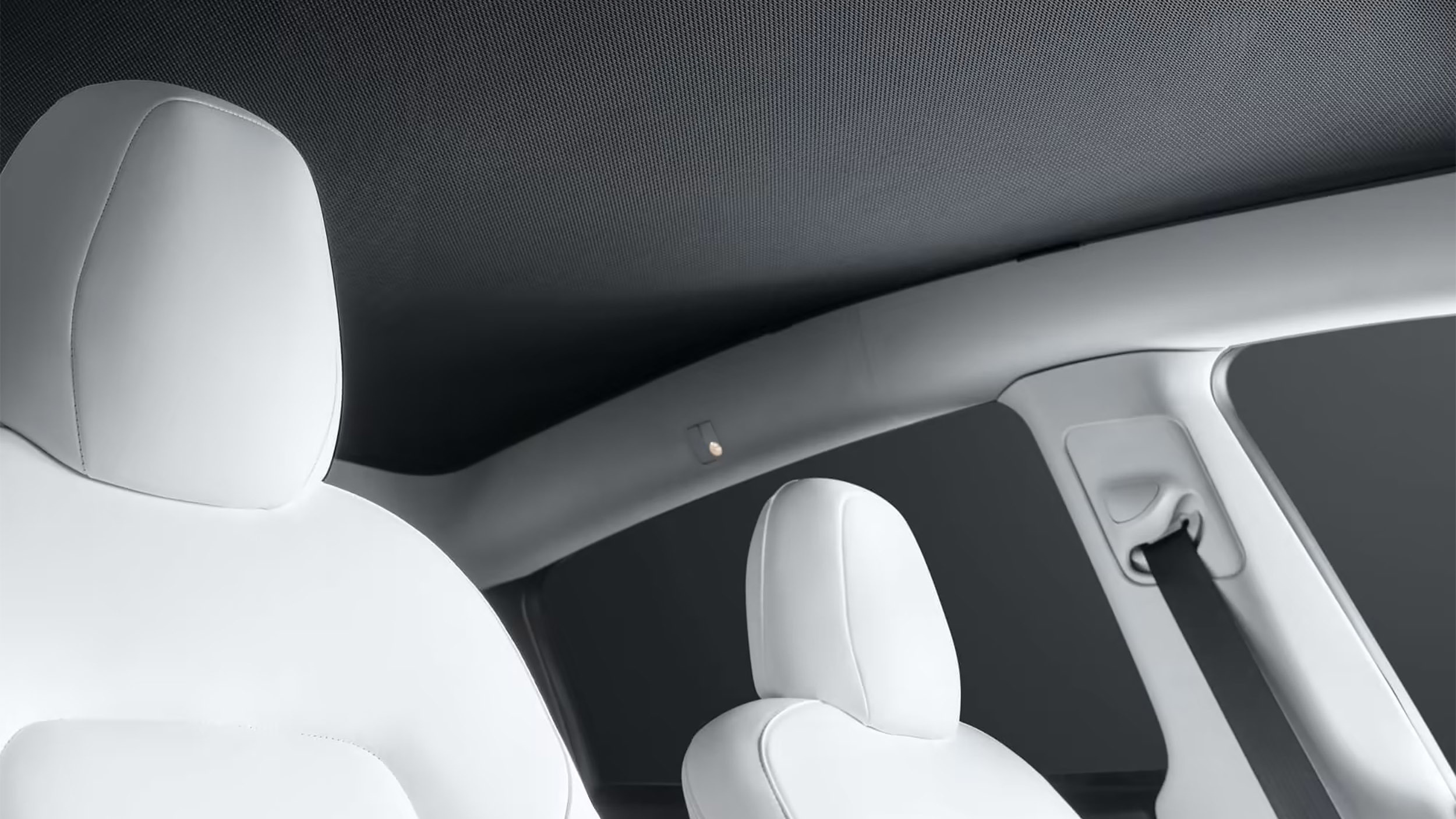
Drivers who can’t be bothered to wrestle with a larger cover have a strong fallback in a reflective film mounted on the outside of the windshield. By blocking solar radiation before it ever passes through the glass, the windshield cover kept the internal air temperature at 45°C (113°F), representing an 8°C (14°F) improvement and only a step behind the full canopy.
Mazda
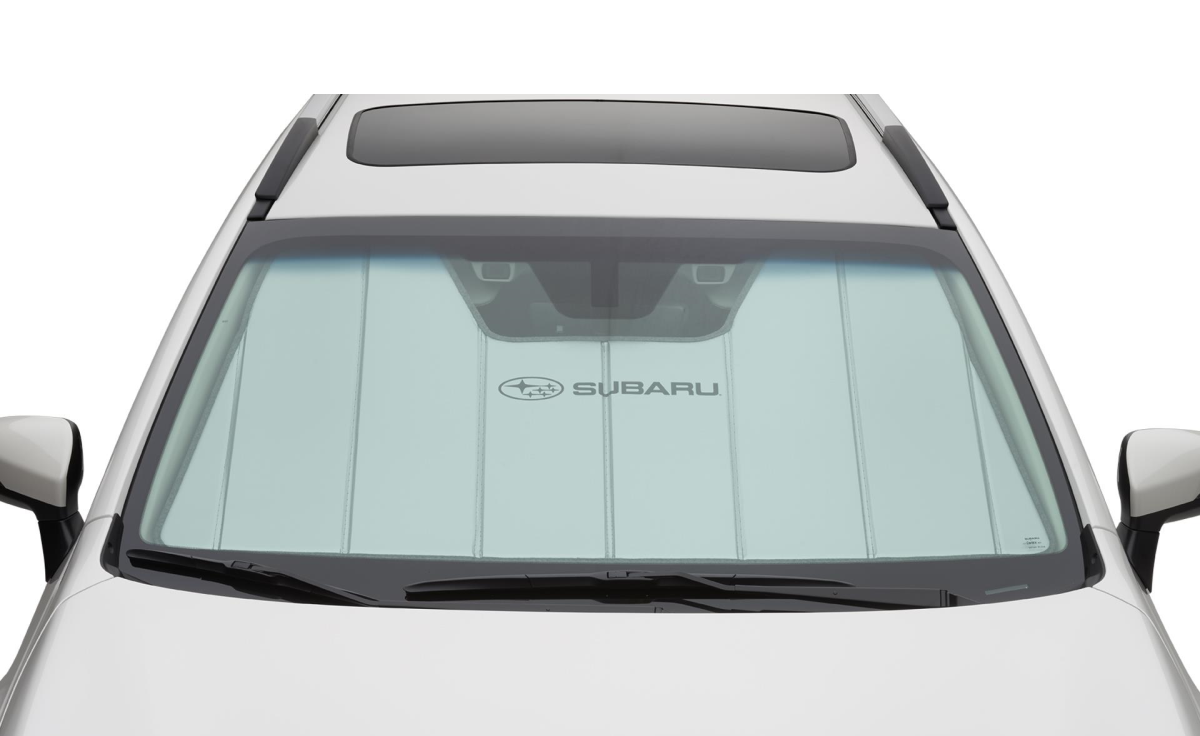
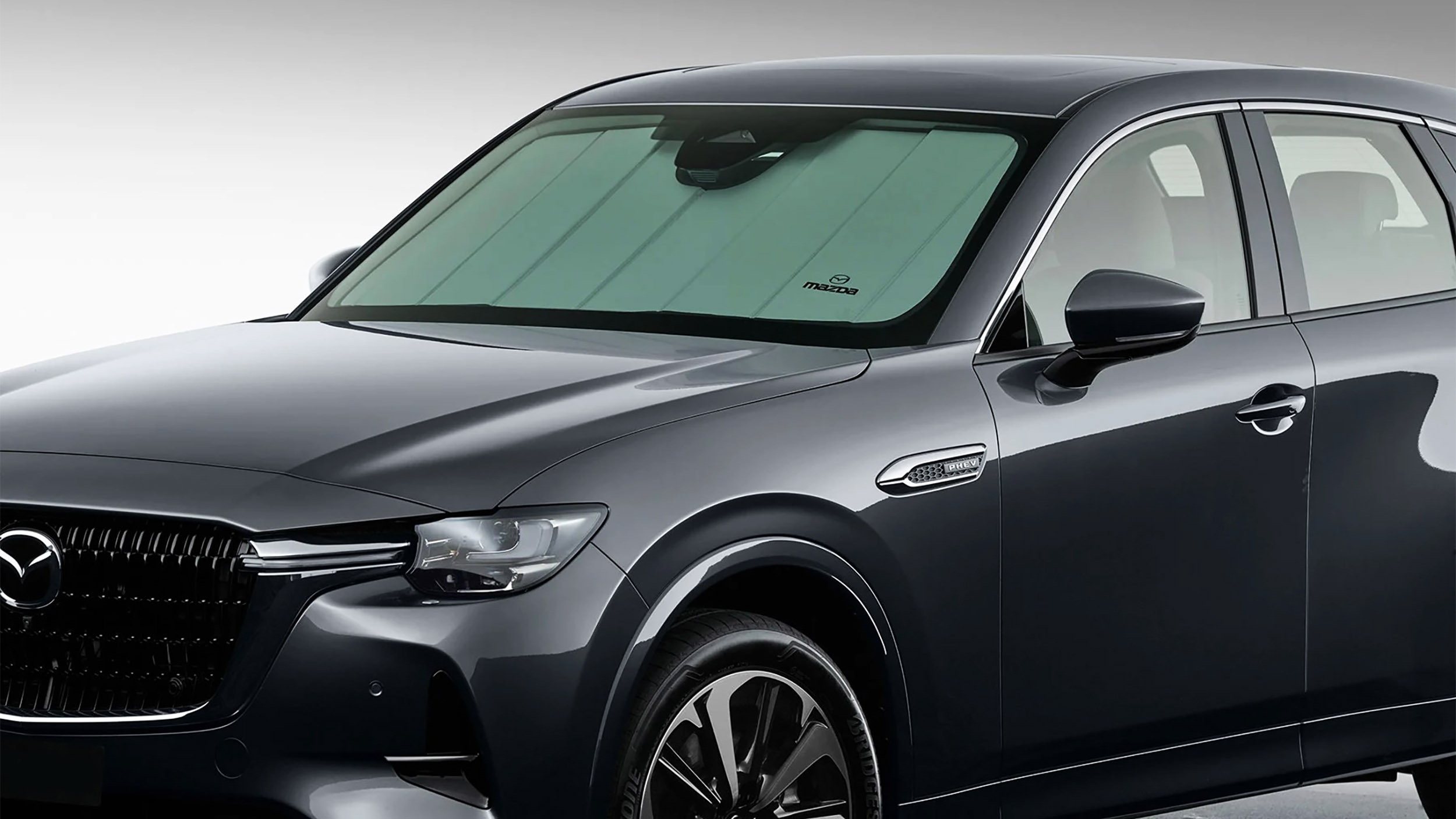
Interestingly, the more common internal accordion-style reflective sunshade ranked third. It managed to drop the cabin temperature to 49°C (120.2°F), a modest reduction of 4°C (7.2°F) over the baseline. Placing a simple white cloth or towel over the dashboard was the least effective cooling method, yielding an internal temperature of 50°C (122°F).
Where Interior Shades Actually Pay Off
The interior shades earn their keep elsewhere, though, because even when they barely touch the air temperature, they transform the surfaces your hands actually land on. A steering wheel shielded from direct light can come down by as much as 26°C (46.8°F), the difference between a car you can drive immediately and one that scalds your palms.
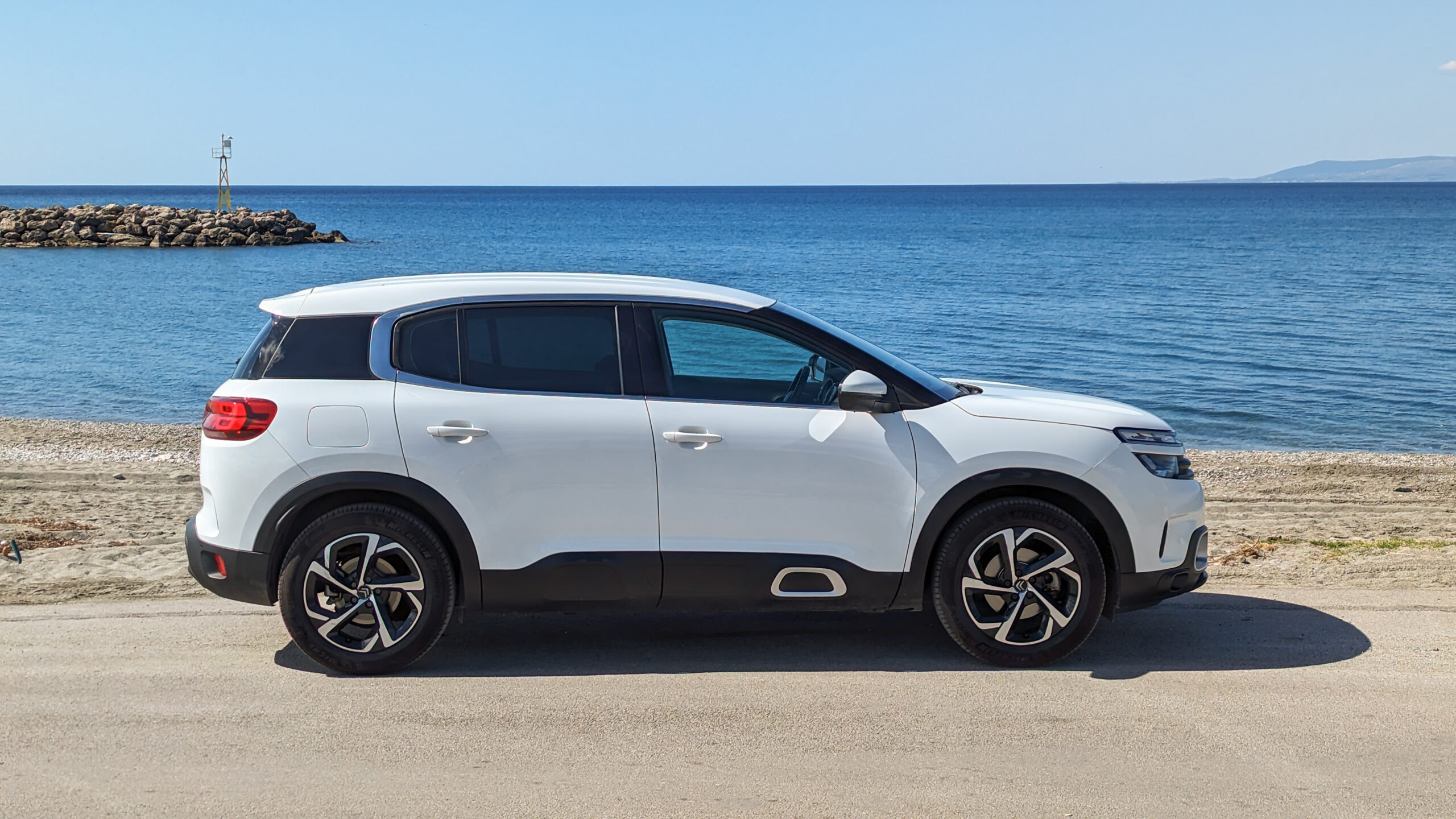
The study also weighed the impact of factory and aftermarket window tinting alike. While rear glass tinting lowers the front cabin’s ambient air temperature by only about 2°C (3.6°F), its effect on rear surface temperatures is enormous. In the test, the rear bench seat of an untinted vehicle reached 57°C (134.6°F), whereas the tinted car held that surface to 48°C (118.4°F).
What About Car Color?
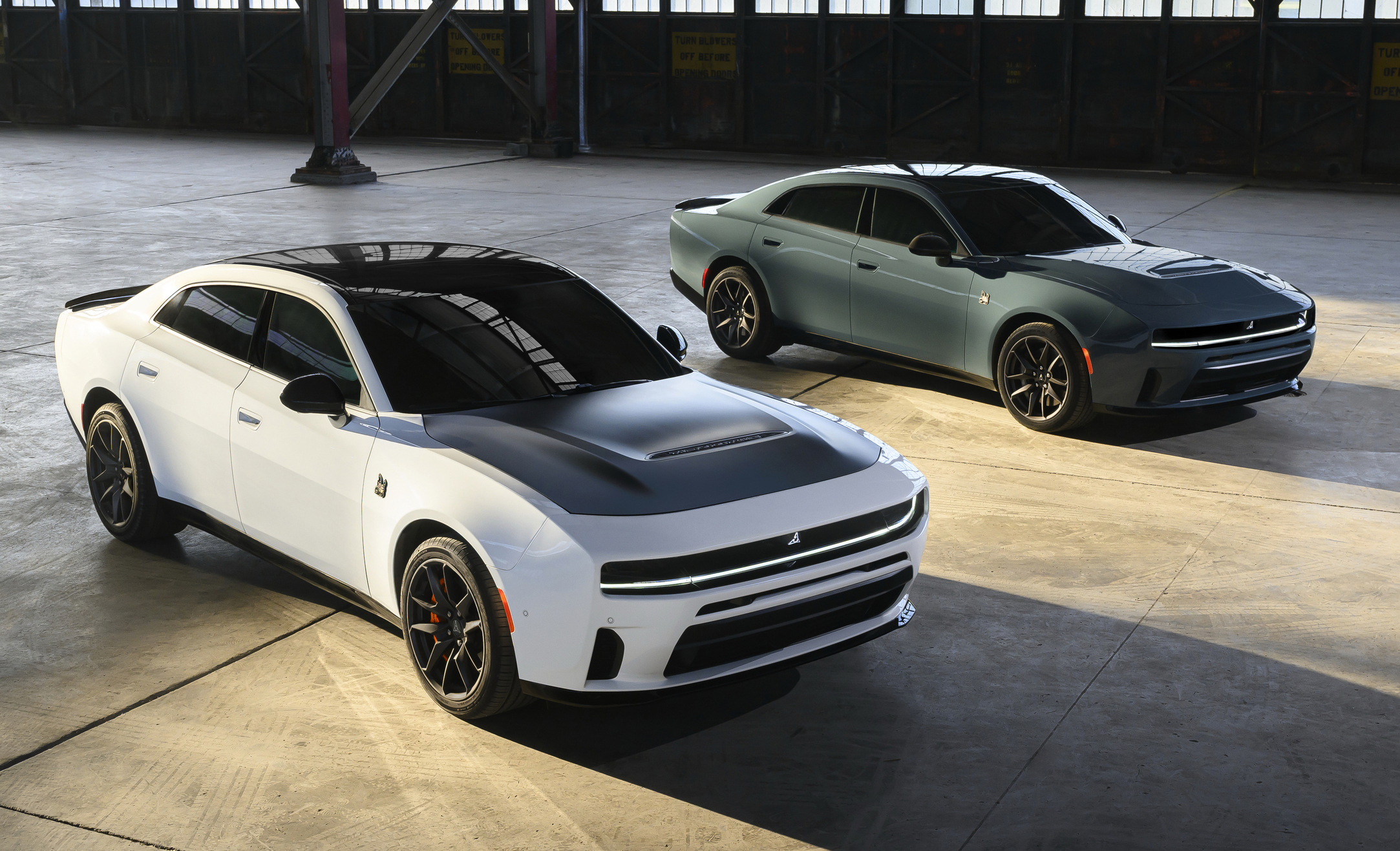
Finally, the paint color itself plays a measurable role in how much heat a car soaks up. The ADAC team tested identical black and white vehicles and found that the body panels of the black car reached a blistering 65°C (149°F), while the white one stayed at 44°C (111.2°F). That difference carried into the cabin, leaving a 5°C (9°F) gap between the two, with the black car recording 53°C (127.4°F) against the white car’s 48°C (118.4°F).
More: Automakers Keep Adding Colors, Yet Eight In Ten New Cars Are Grayscale
Ultimately, experts recommend pairing a high-quality windshield shade with rear tinting and always taking a few moments to thoroughly ventilate the vehicle before turning on the air conditioning so you get rid of the hot air.