
Mercedes Faces A US Ban Over Chinese Ties, But Ted Cruz Says Not A Chance
Senate Commerce Committee just advanced legislation that would block companies with significant Chinese ownership from the US
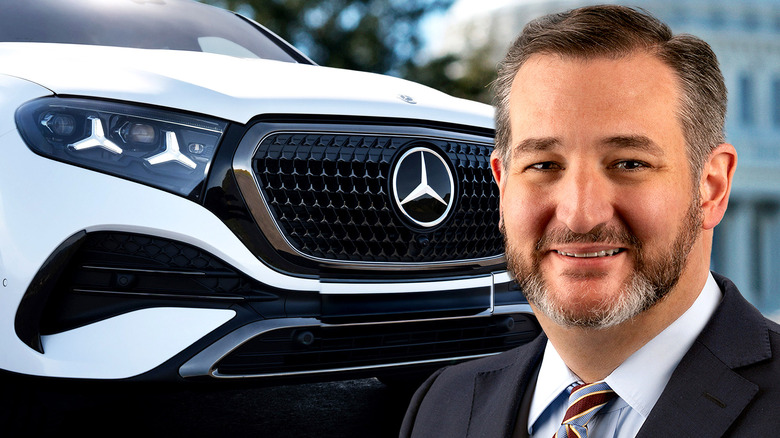
- Senate proposal targeting Chinese-owned automakers just took another step forward.
- Chinese shareholders own nearly 20 % of Mercedes, far above the 15 % maximum.
- Ted Cruz insists Mercedes isn't a target and changes are likely before bill passes.
Seventy years ago it was Mercedes' historic links to Nazi Germany that caused some Americans concern. These days it's another evil empire: China. A new Senate proposal designed to keep Chinese-linked vehicle companies out of the US market has unintentionally put Mercedes in the crosshairs too, but one prominent lawmaker has vowed to protect it.
The possibility of Mercedes being banned from the US emerged after the Senate Commerce Committee advanced legislation that would restrict automakers with Chinese ownership above a certain threshold. The surprise wrinkle is that Mercedes has two major Chinese investors whose combined holdings sit just shy of 20 percent.
Related: Volvo Fought The US Ban And Won. Polestar Isn't Even Trying
Under the bill's current language, that could be enough to create problems for the German automaker. The Chinese investors are BAIC, China's state-owned automotive giant, and Geely founder Li Shufu. Together, their stakes exceed the proposed 15 percent ownership limit that US lawmakers are considering.
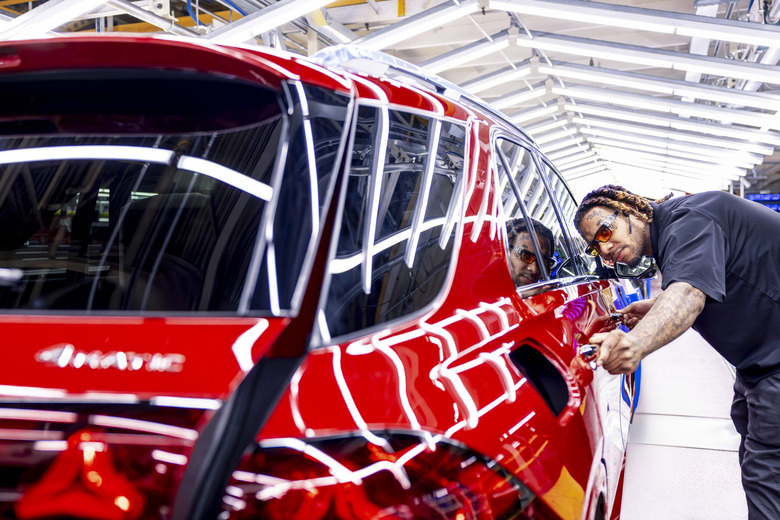
Before Mercedes dealers start clearing showroom floors, key lawmakers are already signaling that an outright ban isn't the plan. Senator Ted Cruz reportedly acknowledged the issue during committee discussions, saying, "We would never consider" banning Mercedes-Benz, according to CNBC.
Senator Bernie Moreno also noted that Mercedes would have until 2030 to address the ownership situation and could potentially seek exemptions. Sounds like there's plenty of road left before anyone starts bulldozing Daimler dealerships to build apartment blocks.
Chinese Software Outlawed
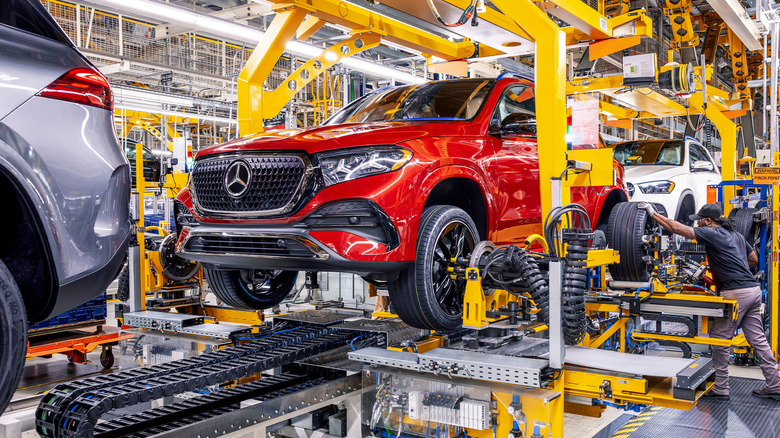
But the episode highlights how aggressively the US is trying to reduce automotive dependence on China. Laws about Chinese software put in place by the Biden administration have already forced Polestar (majority-owned by China's Geely) out of America this year. Connected-car rules ban Chinese connectivity software from 2027 model-year vehicles and Chinese hardware from 2030 models because of national security concerns surrounding vehicle data and communications systems.
The industry is scrambling to adapt, Reuters reports. Suppliers are racing to replace Chinese-made connectivity components, automakers are auditing supply chains, and some companies are already seeking exemptions. But even shifting away from Chinese hardware can increase costs by as much as 15 percent, according to industry executives.