


- Proposed US legislation could block Mercedes sales despite American manufacturing footprint.
- Chinese shareholders’ combined stake exceeds ownership threshold lawmakers are targeting.
- Mercedes outwardly unconcerned, says it expects a workable solution if concerns escalate.
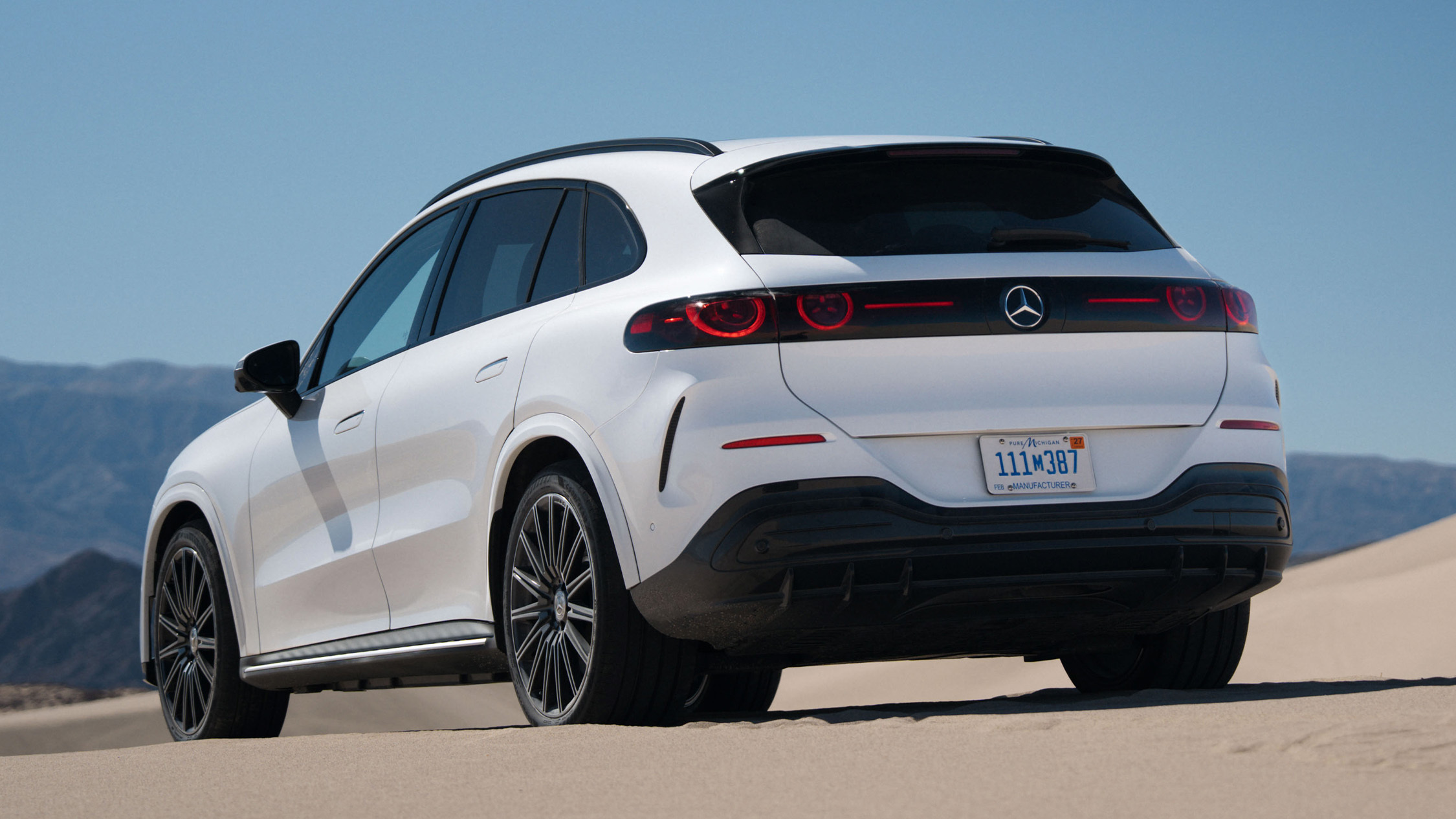
Mercedes-Benz could find itself caught in the crossfire of Washington’s push to keep Chinese influence out of the American auto industry. A proposed bill moving through Congress is designed to target automakers linked to foreign adversaries, and Mercedes may end up as one of the most high-profile unintended targets.
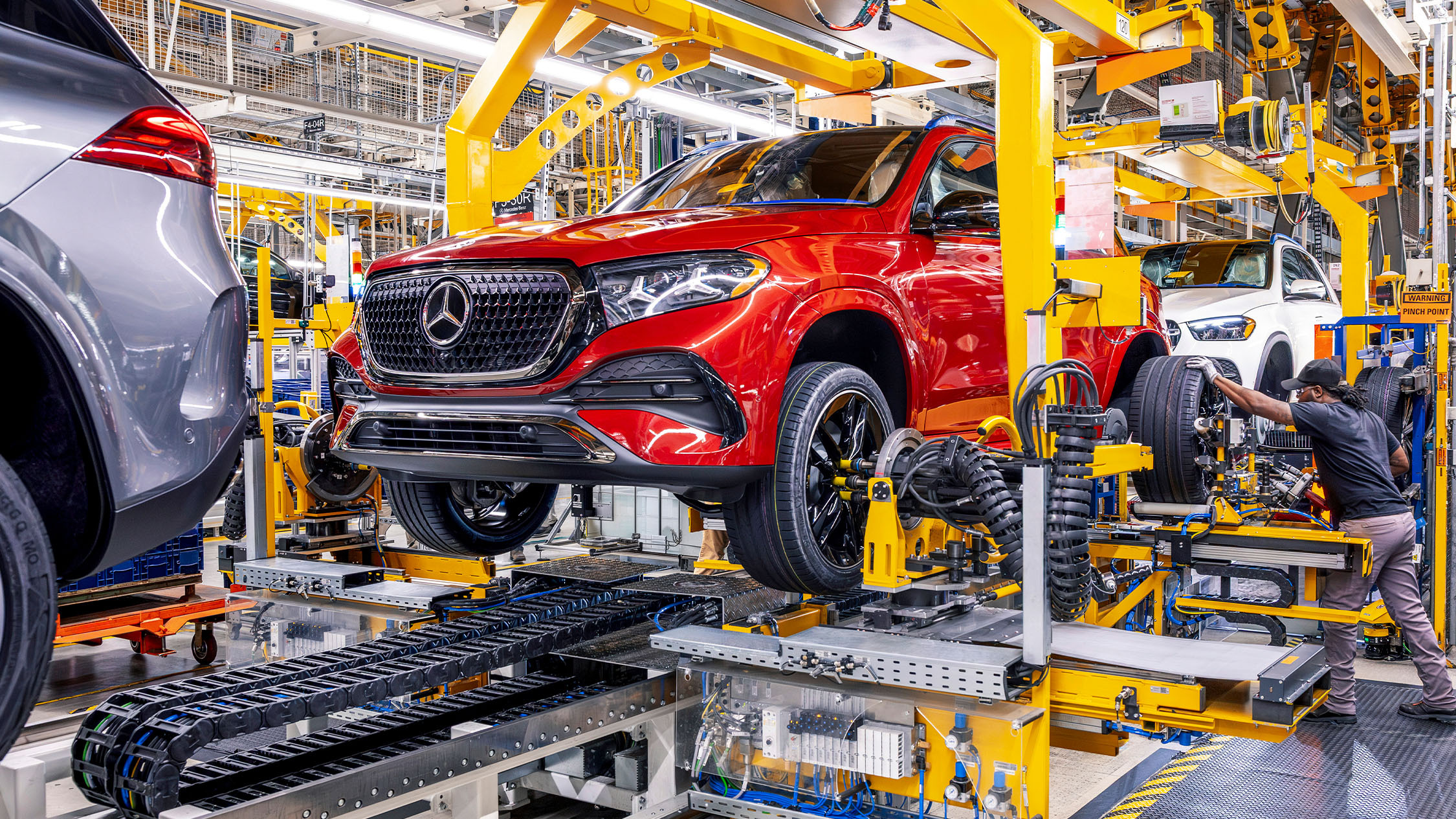
The issue isn’t where Mercedes builds cars. The company has been assembling vehicles in Alabama for decades and also operates a van plant in South Carolina. Instead, the concern centers on who owns chunks of the company.
Related: Trump Admin Tried To Get Mercedes To Move To America
One of Mercedes’ biggest shareholders is Chinese state-owned automaker BAIC, which holds just under 10 percent of the company. Another major shareholder is Geely chairman Li Shufu, whose stake is also just under 10 percent. Together, those holdings amount to roughly 19.7 percent of Mercedes’ shares.
Five years ago, that wouldn’t have been a problem. But the proposed Motor Vehicle Modernization Act includes language aimed at companies with ownership ties to governments considered foreign adversaries, CNBC reports. And China is among the countries covered by the legislation.
Depending on how lawmakers interpret the bill, Mercedes could potentially fall within its scope despite being a German brand with a substantial manufacturing presence in the United States. Benz employs around 10,000 people across the country and recently celebrated the production of its 5 millionth model in the US, and is shifting production of its GLC to America.
Exemptions Don’t Apply
The legislation does include exemptions for automakers that have been producing vehicles in America for years. However, one section appears to remove that protection if a company has direct or indirect ownership linked to a foreign-adversary government. That’s where BAIC’s involvement creates questions.
Mercedes isn’t panicking, at least not publicly. CEO Ola Källenius recently suggested the company could address ownership concerns if necessary and indicated he’s confident any issues could be resolved without major drama. The automaker has also said it’s working with policymakers to better understand the proposal and ensure its US operations aren’t harmed.
The stakes are significant. Mercedes sold more than 300,000 passenger vehicles in the US last year and has ambitions to push that figure much higher. A sales ban remains a long way from reality, and the bill could still change substantially before becoming law. But the whole saga is a reminder of how complicated and interconnected the modern auto industry is.