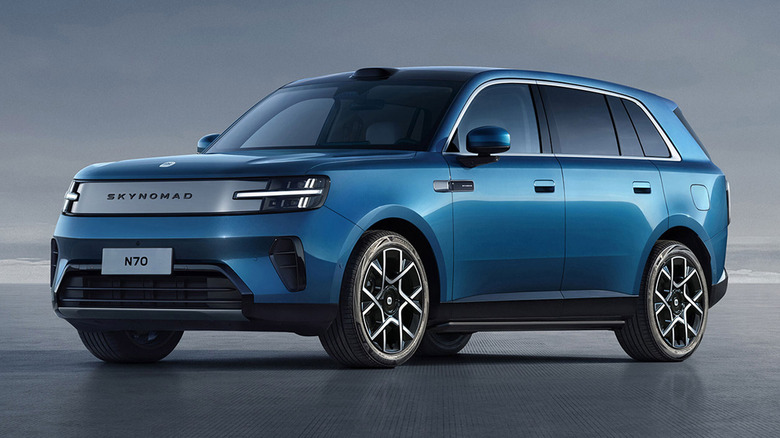
US Automakers Demanding A China Car Ban Include Two With Chinese Owners
Detroit’s biggest trade group wants Congress to permanently shut the door while Chinese brands expand elsewhere
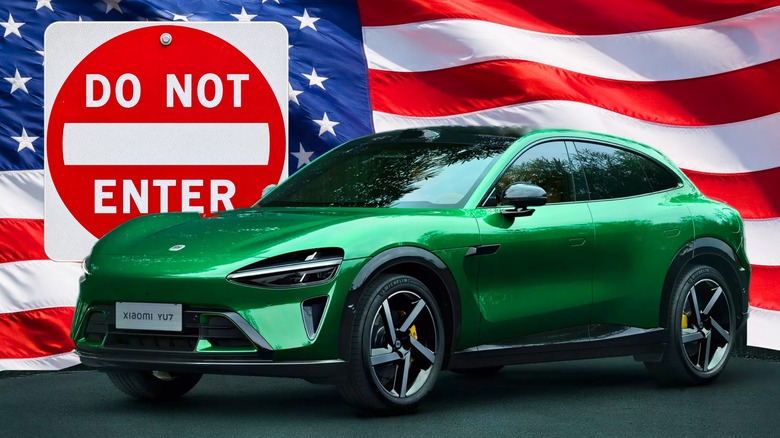
- US Congress wants existing barriers to Chinese auto brands toughened and made permanent.
- Tech firm-turned-automaker Xiaomi plans European sales to start in 2027.
- Canada already allows Chinese cars, can accept another 33,397 under latest quota period.
Chinese automakers haven't cracked the US yet, and the companies already selling cars there would like to keep it that way. A group representing most major automakers wants Congress to turn today's regulatory barriers into a permanent ban before lawmakers finish their current session.
Related: Canada Opens The Door To 33,397 More Chinese Vehicles
The Alliance for Automotive Innovation, which represents the vast majority of companies selling vehicles in the States and counts GM, Ford, Toyota, BMW, Hyundai, Honda, Volkswagen, Mercedes, Kia, and Volvo among its members, has written to congressional leaders asking them to ban Chinese connected vehicles along with the hardware and software that goes with them. The group wants legislation passed before the current Congress wraps up on January 3.
Tariffs Aren't Enough
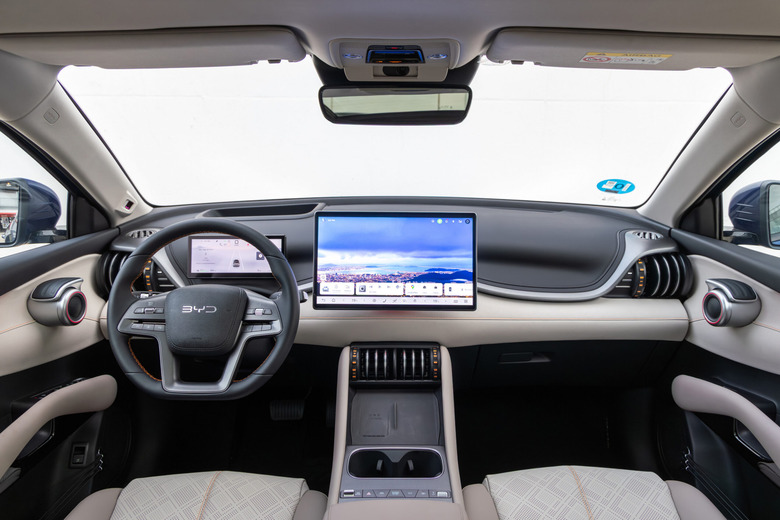
Chinese cars are already effectively locked out by hefty tariffs as well as restrictions targeting connected-vehicle technology linked to China, which are forcing Polestar to pull out of the US. But automakers are worried those defenses could change, so they'd rather Congress put something more permanent on the books.
"Right now, Chinese automakers are dumping subsidized vehicles with connected software and hardware around the world," Alliance CEO John Bozzella wrote in the letter to Congress. He urged lawmakers to act before adjourning, citing what the group sees as both economic and national security risks.
"China is capturing market share in Europe, Australia, Southeast Asia, Mexico and South America with vehicles capable of collecting, processing and transmitting sensitive vehicle and consumer data to the Chinese Communist Party," Bozzella added.
But one proposal that advanced through a Senate committee in July could potentially catch Mercedes in the net, because Chinese investors own nearly 20 percent of the German automaker, more than the proposal allows. Volvo, another Alliance member, is owned outright by China's Geely. The group says it wants a balanced solution that won't accidentally kneecap its own team.
Xiaomi Inches Closer

Meanwhile, Chinese brands aren't sitting around waiting for America to change its mind. Xiaomi will start selling EVs in Europe next year and has already signed eight German dealer groups. It joins BYD, Xpeng, Leapmotor and Nio in pushing deeper into a region that's also erected trade barriers against Chinese EVs, but with little impact. More than one in 10 cars sold in Europe is Chinese.
America's northern neighbor is heading in a different direction to the US, too, reports Bloomberg. Canada recently opened its second import period for Chinese electrified vehicles, allowing up to 33,397 units after unused capacity rolled over from the first allocation. BYD, Chery and Geely models are already reportedly undergoing Canadian certification.
So while Europe braces for more Chinese competition and Canada cracks its door open, America's auto industry wants Congress to install a deadbolt and throw away the key. But even Ford's CEO doesn't believe the US can keep China out forever, telling staff earlier this year to expect them to land on American shores in 5-10 years.