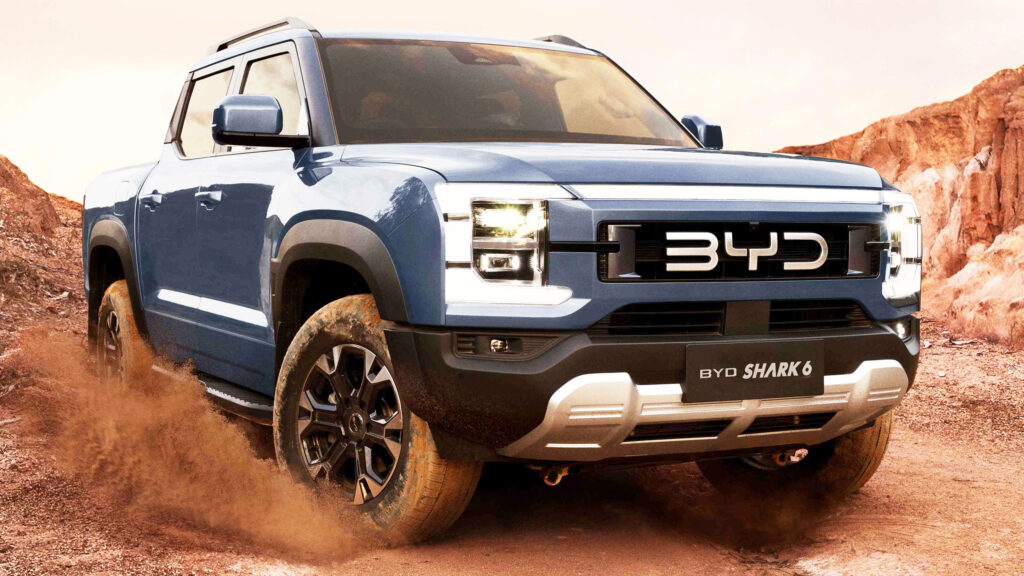










- Ford’s global sales dropped after cutting affordable models.
- CEO Jim Farley says full-line strategy was not sustainable.
- It now focuses on emotional vehicles like Mustang, Bronco.
Ford is in the midst of a quiet but profound transformation. The company hasn’t only overhauled its electric vehicle plans in striking fashion, it’s also stepped back from a decades-long pursuit of affordable, mass-market small cars.
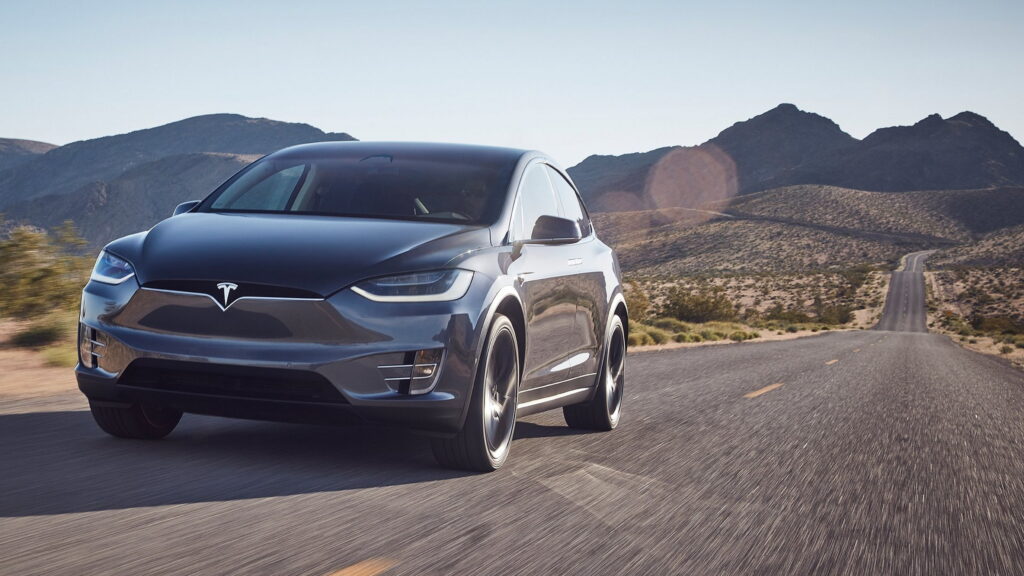
Read: Ford’s Gas Mustang Nearly Outsold Its Entire EV Lineup, Which Pretty Much Says It All
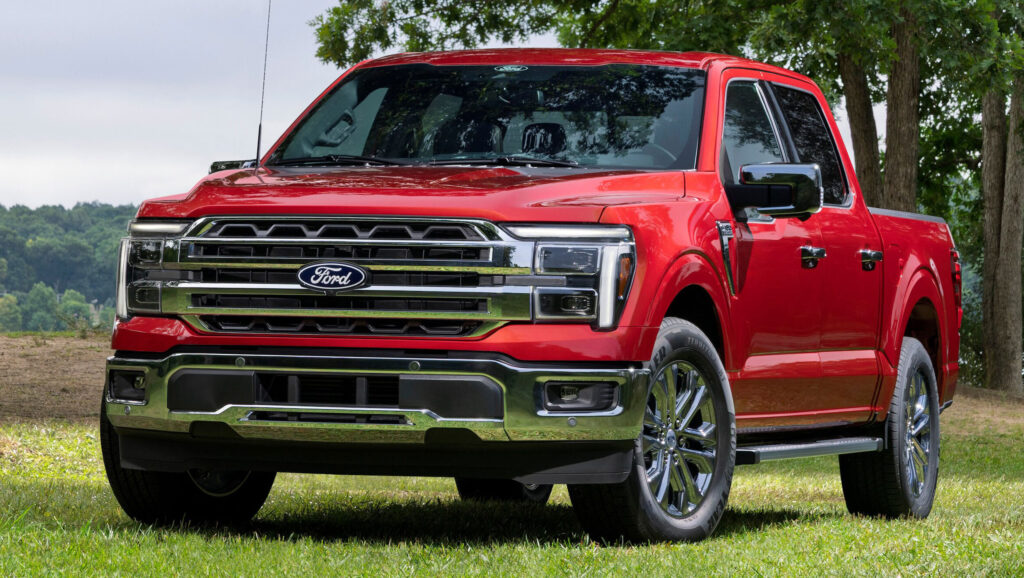
Instead, Ford is doubling down on what it calls “emotional products,” vehicles like the Mustang and Bronco, that tap into nostalgia, adventure, or raw performance. These sit alongside its core lineup of purpose-built pickup trucks. If that feels like a dramatic shift, it is. And now, we’re hearing exactly why it happened.
Rethinking Its Role as a Full-Line Automaker
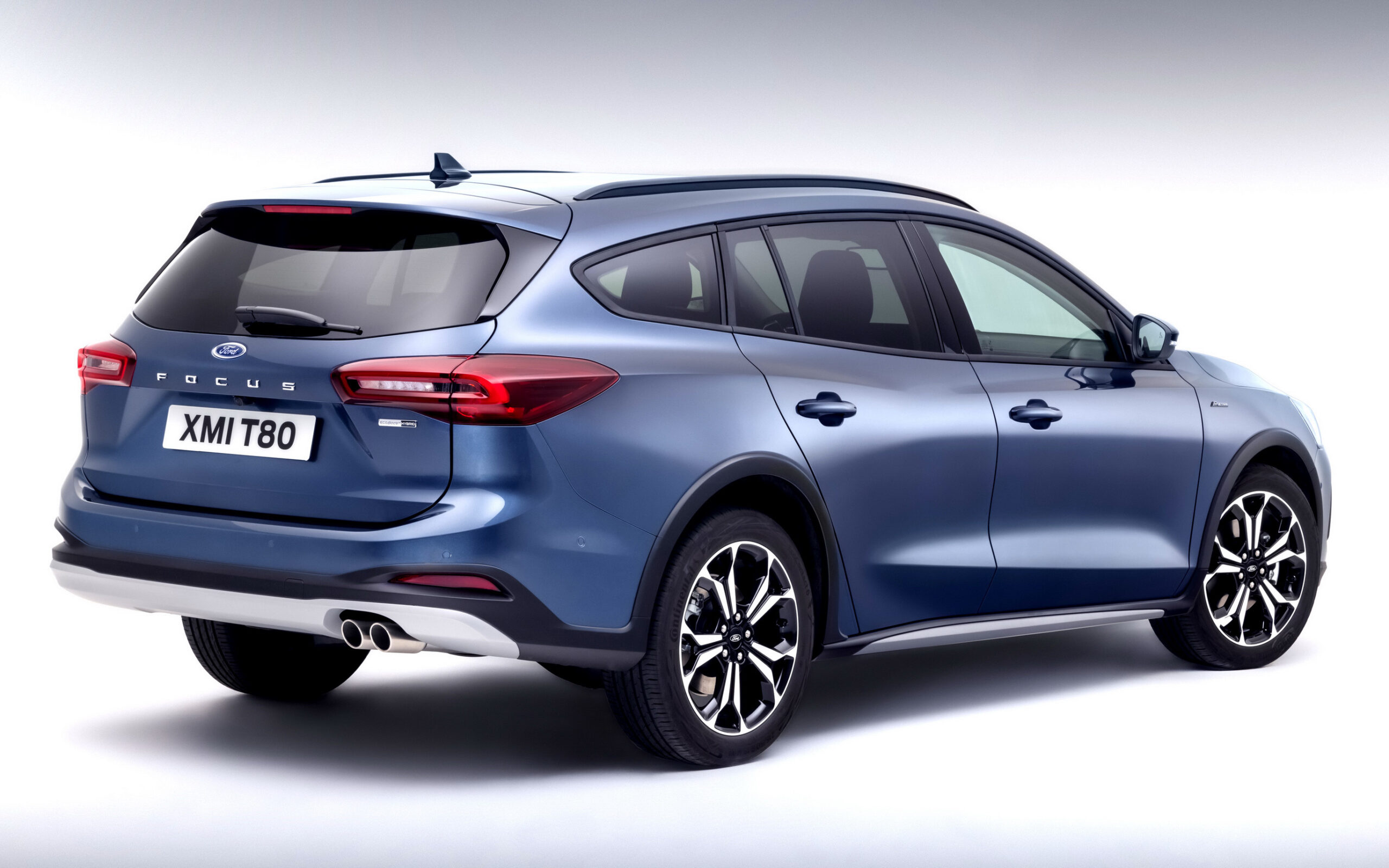
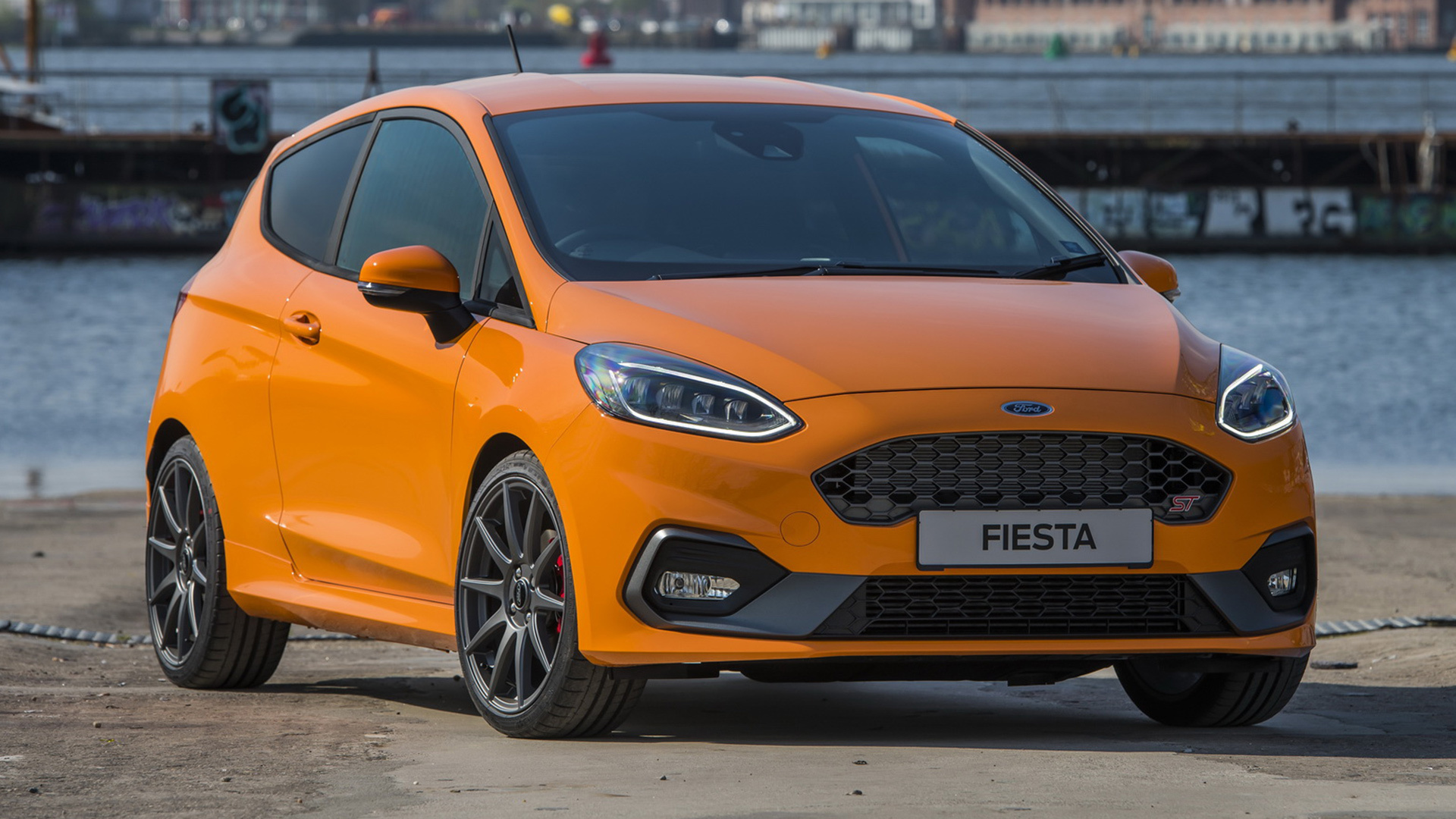
Ford CEO Jim Farley recently spoke with Argentinian outlet La Nación, offering a surprisingly candid look at where the company is headed. He said he was glad Ford had tried to compete with Japanese and South Korean manufacturers through models like the Fiesta and Focus, but acknowledged that continuing to produce them no longer made financial sense.
“It was a spiritual moment for Ford to be a full-line manufacturer, but I learned so much because maybe that was a mistake,” Farley said. “It wasn’t a mistake to try, but our costs were not competitive with Toyota and Hyundai/Kia, and in the end, we have to change to Broncos and pickup trucks.”
Farley added that Ford’s approach in Argentina mirrored its ambitions in the U.S. market. The common vision was a broad lineup, inclusive of lower-cost, democratic vehicles in the mold of the Model T. But the financial math didn’t hold.
“We had this ambition to be full-line, like the Model T company, to have a very democratic product, but we also found that that made the business almost impossible because we didn’t have a cost advantage. So, similar to Argentina and Latin America, in the US, we had to restructure the business.”
Smaller Lineup, Bigger Payoff?
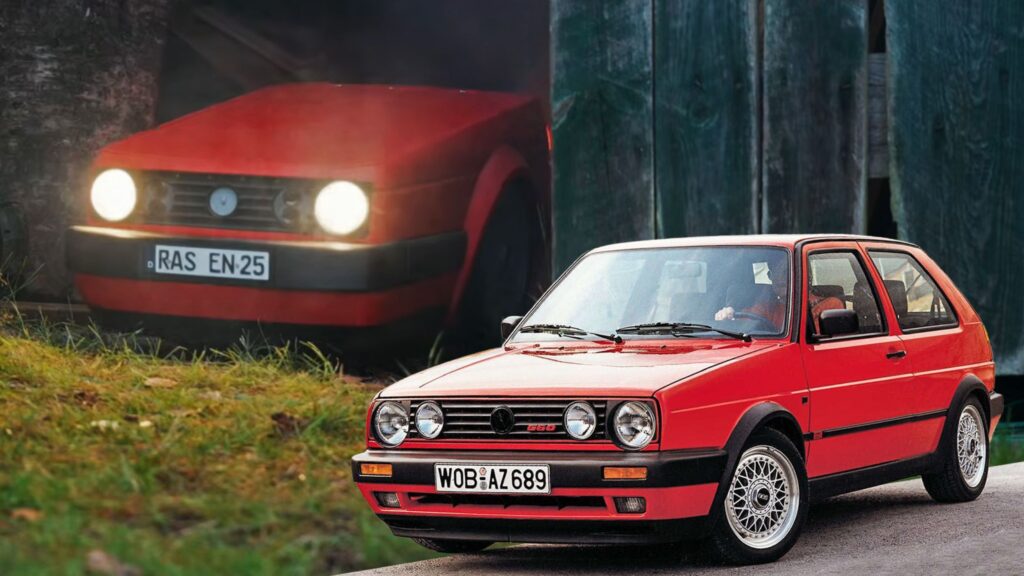
In recent years, Ford has phased out several of its mainstream models, including the Escape SUV, which just exited the US market, Fusion, Taurus, and Edge. While this reorientation has resulted in a leaner product lineup, and a noticeable drop in unit sales, it has also led to improved revenue figures.
From 2013 to 2017, Ford consistently sold over 6.3 million vehicles globally each year. In 2018, sales dipped just under 6 million, and by 2020, fell sharply to 4.2 million. They dropped further in 2021 to 3.9 million, and since then, have settled between 4.2 and 4.4 million units annually.
But while fewer vehicles are leaving the factory, the ones that do carry more weight, both in impact and profit. Recent standouts include the aggressive Mustang GTD, the off-road-focused Bronco Raptor, and the ferocious F-150 Raptor R, all products designed to stir something beyond practicality.