- China will ban electric retractable door handles from 2027.
- New rules require mechanical handles that work after crashes.
- Fatal SU7 crashes highlight risks of power-only door releases.
Starting in 2027, China will outlaw the sleek, electrically-powered retractable door handles that have become increasingly common on modern vehicles. The decision follows a troubling pattern of fatal crashes in which occupants and rescuers were unable to open car doors after a collision.
Under the new rules, all vehicles will be required to feature both interior and exterior door handles with mechanical release functions, ensuring they can still be opened even if the power fails or the vehicle is severely damaged.
Mechanical Backup Mandatory
The first indication of the change came in mid-December, when China’s Ministry of Industry and Information Technology included the proposal in a new draft regulation. It mandates that any passenger vehicle weighing under 3.5 tons must use door handles that retain mechanical functionality after a crash.
Read: Hate Retractable Door Handles? China Might Finally Make Them Go Away
This will come as a relief to emergency personnel, who have faced increasing challenges in quickly extricating passengers from newer electric vehicles following an impact.
Electrically-operated retractable door handles, the type seen on models like the Tesla Model S and BYD Seal, have become a hallmark of contemporary EV design in China. Tesla’s push-button handles, featured on the Model 3 and Model Y, fall into the same category.
Much of the appeal has stemmed from the aerodynamic efficiency these designs offer, helping manufacturers squeeze out marginal range improvements.
Design Versus Function
However, there have been a growing number of complaints made about these door handles since 2024. Not only can they struggle to work after a crash, but they can also face issues in cold weather.
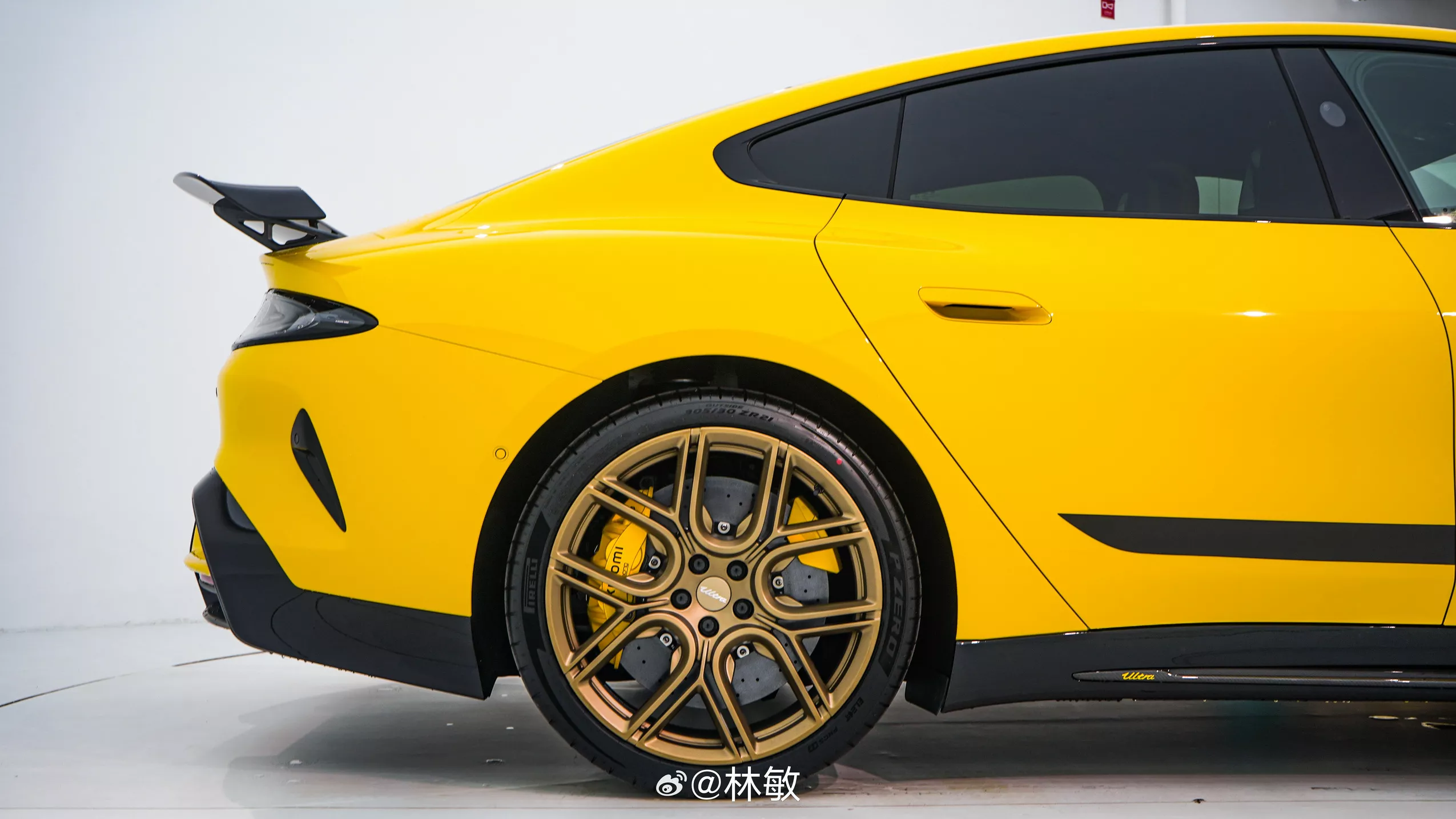
There have also been several high-profile crashes involving retractable door handles. On October 13, the occupants of a car died in a crash in Chengdu because witnesses were unable to open the doors. Three people died in a separate crash in the city of Tongling recently. Sixth Tone reports that both crashes involved Xiaomi SU7 Ultras.
“The interior (door) uses buttons, which can’t be electrically unlocked after the power is cut off. The SU7’s internal mechanical door handle…is not visible to people inside the car. Even if rescue workers break the window glass, they can’t reach it,” a source familiar with the matter told The Paper after one of the incidents.
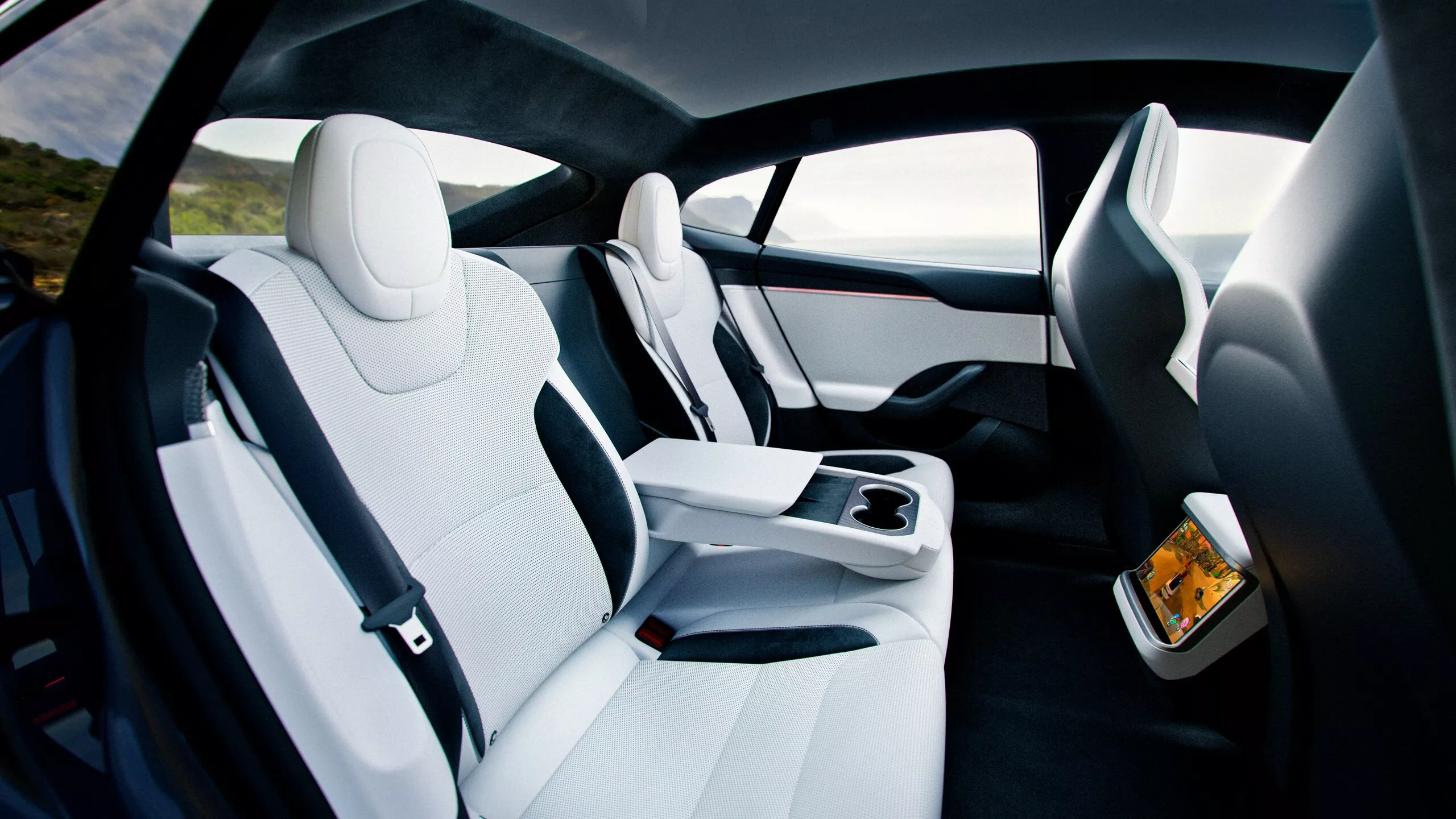
There has been talk about China moving to ban these door handles since September. While manufacturers often promote flush door handles as beneficial to efficiency, the actual gains may be negligible.
Also: EU Regulators Say Drivers Are Dying Inside Cars With Electric Door Handles
As reported earlier this year, the drag reduction typically amounts to just 0.005 to 0.01 in the drag coefficient, which translates to a savings of roughly 0.6 kWh per 100 kilometers.
A ban in China would have ramifications around the world. The country has overtaken Japan as the world’s largest car exporter, and as domestic brands are required to abandon these handles at home, they will likely extend the changes to their export models as well.
Similarly, Western manufacturers selling vehicles in China may end up reworking their global designs to align with the new standards and streamline production costs.