- Uber faces campaign claiming it wants a “license to kill.”
- Ballot proposal seen as favoring future autonomous vehicles.
- Nonprofit says it limits attorney fees and medical payouts.
Americans are wary about autonomous vehicles and a new campaign will likely increase those fears. It targets California residents and claims Uber wants a “license to kill” with robotaxis.
Grandstanding aside, Consumer Watchdog launched the campaign to oppose ballot initiative 25-0022A1, which is known as the Protecting Automobile Accident Victims from Attorney Self-Dealing Act.
More: Uber And Lucid Partner For Thousands Of Robotaxis
While the name doesn’t exactly roll off the tongue, the initiative notes thousands of Californians are hurt in car accidents every year and sometimes these victims are represented by lawyers who put their own profits ahead of their clients’ needs.
It specifically targets “billboard attorneys” and other personal injury lawyers, who “spend millions of dollars targeting low-income automobile accident victims, promoting huge payouts that rarely happen.”
While the initiative is pretty lengthy, it aims to guarantee “automobile accident victims shall retain at least 75 percent of the total amount recovered in actions arising out of automobile accidents” and eliminate “financial incentives for attorneys to inflate automobile accident victims’ medical expenses through padded billing and unnecessary and excessive medical care.”
It would also prohibit “self-dealing financial arrangements between attorneys and health care providers that involve automobile accident victims” and protect whistleblowers who reveal these schemes.
Advocacy Group Accuses Uber of Exploiting Reform
While that sounds good, the non-profit claims Uber is pushing the ballot measure to “limit innocent accident victims’ rights to medical recovery and representation” as it “plans to bring back its deadly self-driving robotaxi.”
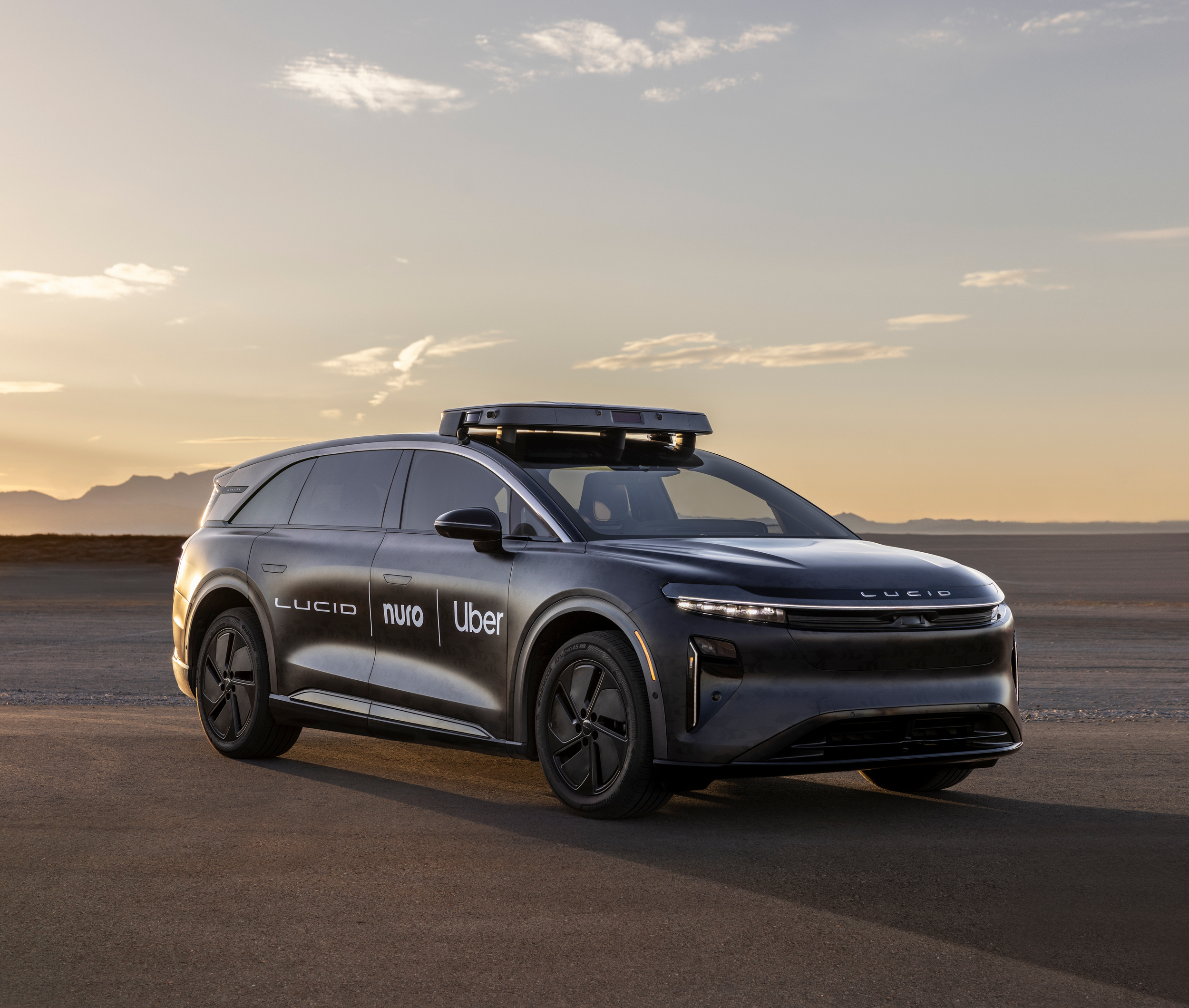
That’s misleading as Uber isn’t bringing back the same robotaxi that was involved in a fatal accident in 2018. Quite the opposite, as a three-way partnership between Lucid, Nuro, and Uber will spawn a next-generation robotaxi, which will apparently be based on a specially modified Gravity SUV.
It’s equipped with an assortment of cameras and sensors, which feed information to the Nuro Driver Level 4 autonomous driving system. As a result, it’s an entirely different beast.
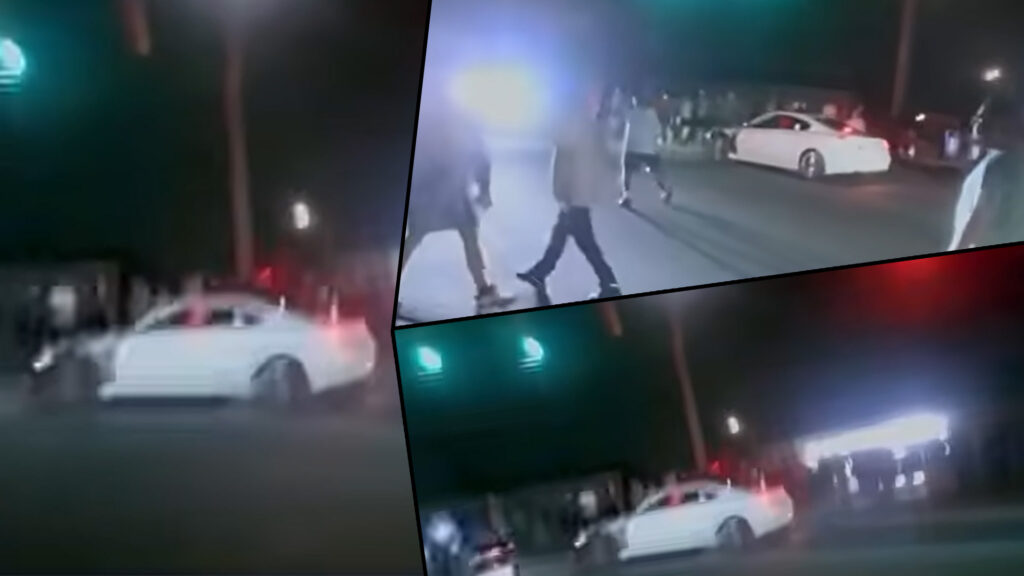
Consumer Watchdog ignores that fact as its video calls Uber a “dangerous company” and features footage of the fatal accident. It also doesn’t mention that the vehicle had a safety driver on board, who should have been paying attention.
“A Cynical Ploy To Take Away Californians’ Legal Rights”
If that wasn’t deceptive enough, the clip shows an animated video of a car driving autonomously at speeds up to 104 mph (167 km/h). Needless to say, robotaxis aren’t designed to drive nearly that fast and many have been limited to city streets until recently.
However, that didn’t stop Consumer Watchdog President Jamie Court from claiming, “This initiative is a cynical ploy to take away Californians’ legal rights just as the (sic) Uber will be deploying dangerous new technology on California roads.” He added, “Uber is a reckless company and its proposed ballot measure will allow it to evade accountability for injuries its robotaxis could cause.”
The hubbub appears to be over three key things in a short summary produced by the Attorney General of California. It notes the proposal would “increase victims’ burden of proof and limit the amounts they may recover” for certain medical expenses. It would also “prohibit certain financial arrangements between attorneys and medical providers.”
Last but not least, plaintiff attorney fees would be reduced from the typical 30-33% to 25% of the financial recovery. This would benefit victims over their attorney.

Challenging The Proposed Changes
That’s a far cry from claims that the proposal will take away “Californians’ right to hold Uber, or any reckless driver, accountable for injuries they cause.” However, the group previously pushed the idea that capping contingency fees “makes it financially impossible for attorneys to take on many cases – especially those with modest damages or complex liability.”
Consumer Watchdog also took issue with medical changes as they claimed, “The initiative limits medical compensation not based on what treatment was needed, but based on narrow Medicare/Medi-Cal reimbursement formulas or the actual amount paid by insurers – even though the injured party may still owe more under a lien or receive no insurance support at all.”
It remains unclear how things will shake out, but the initiative reportedly needs 546,650 valid signatures to appear on the ballot next year.