


- Kia denied engine warranty over missing VIN and mileage data.
- Advocates say federal law puts proof burden on automakers.
- It approved replacement engine only after local media inquiry.
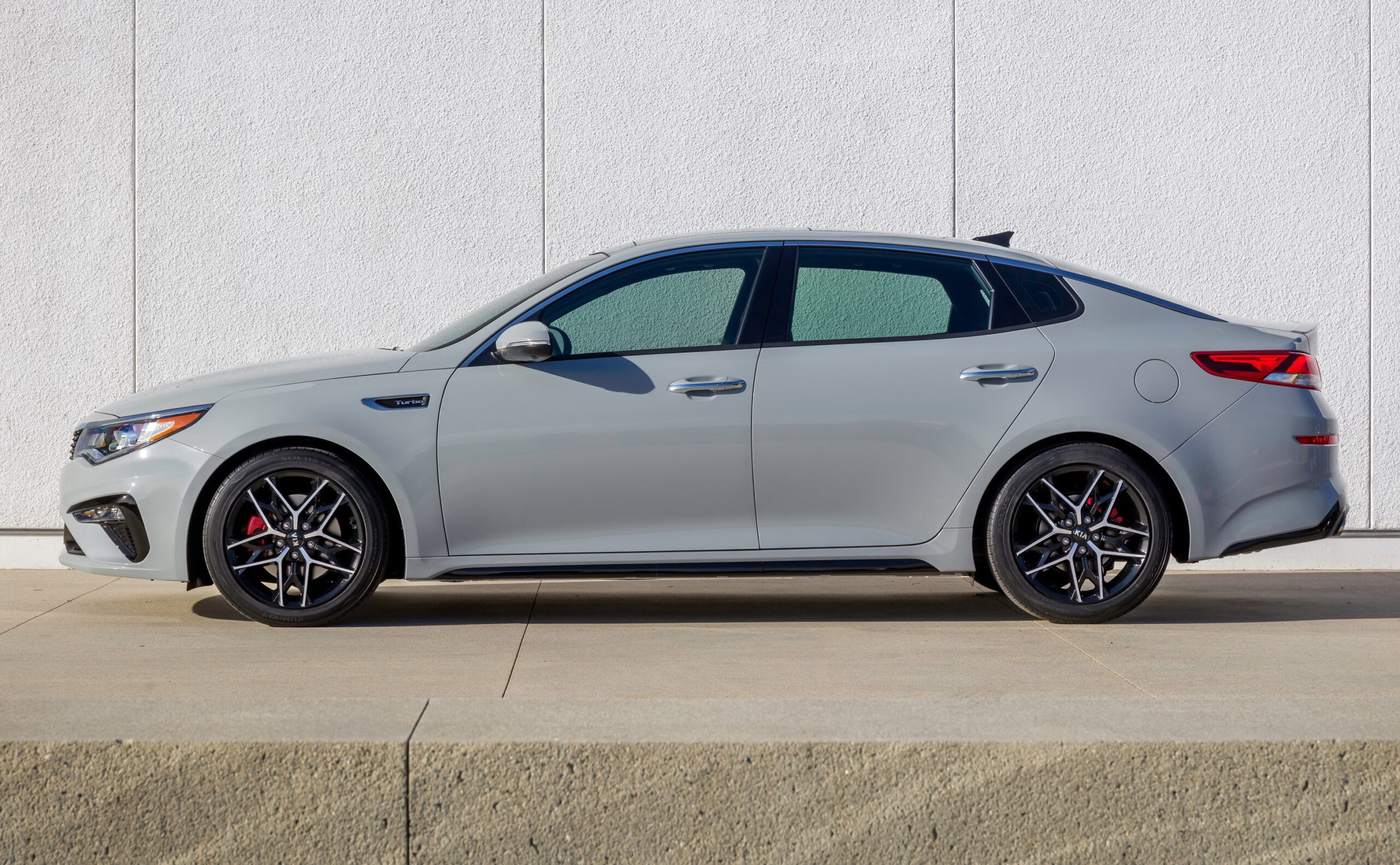
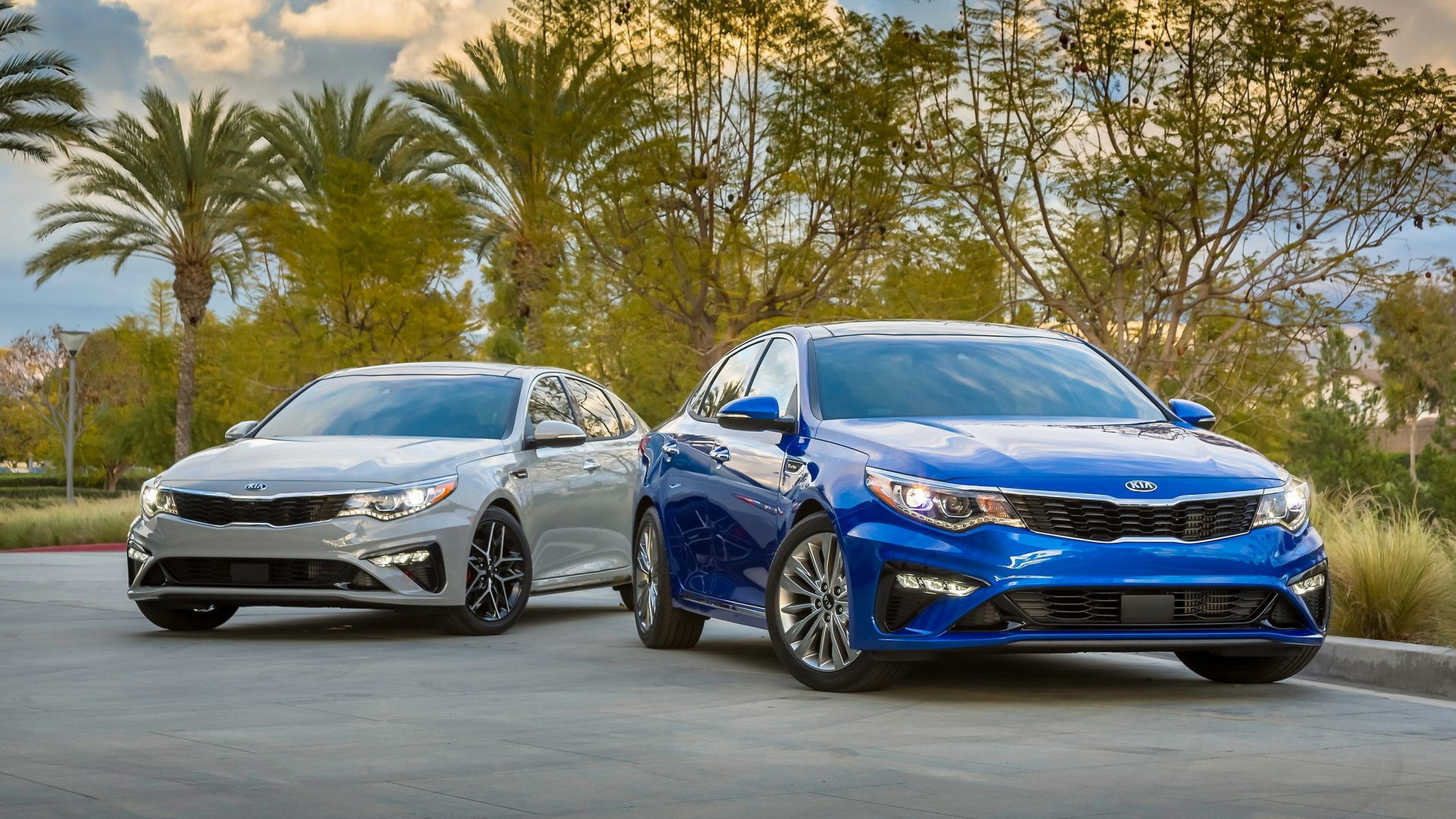
New and used cars are climbing in price, and for many owners, that means stretching every dollar they can, including what they spend on upkeep. When Jamie and Debbie Rekasie of Brookline leased a 2019 Kia Optima and later purchased it, they did so with trust in the brand’s 100,000-mile powertrain coverage.
They stayed on top of maintenance, including routine oil changes. Still, when the engine gave out, Kia denied the warranty claim. The company only reversed its decision after a local news station started asking questions.
Also: $120 For An Oil Change? No Thanks, I’ll Do It Myself For $6,000
As a one-vehicle household, the Rekasie’s documented everything regarding their Optima. That includes oil changes, brake services, and even tires. They say that when their engine failed, they submitted these documents, including 14 different oil change records.
That’s an oil change for every 5,700 or so miles on average. The oil changes were performed by his son, a mechanic, with receipts issued by the shop in question.
The Fine Print Comes First
Despite all that, Kia denied the warranty, saying that the receipts didn’t include the VIN and mileage. KDKA spoke to Michael Brooks, executive director of the Center for Auto Safety, who says that this sort of denial is somewhat normal.
“Often, the first tactic is to deny the claim and hope the consumer goes away,” said Brooks. Importantly, he also pointed out that the Magnuson-Moss Warranty Act puts the burden of proof on the manufacturer to prove that a lack of maintenance caused the failure. In other words, home maintenance should be perfectly acceptable.
A Quiet Reversal After Public Pressure
After KDKA contacted Kia about the case, the company reversed course. “In the spirit of customer satisfaction and service, our customer care department has approved an engine replacement,” Kia said in a statement.
More: Ram Was About To Kill Its 10-Year Warranty, Then Buyers Pushed Back
While the Rekasies ultimately got the outcome they were hoping for, it’s worth wondering what would’ve happened had they not had the media willing to make this story public.
Carscoops reached out to Kia for comment on this story and will update it once we learn more.
A Pattern That Goes Beyond Kia
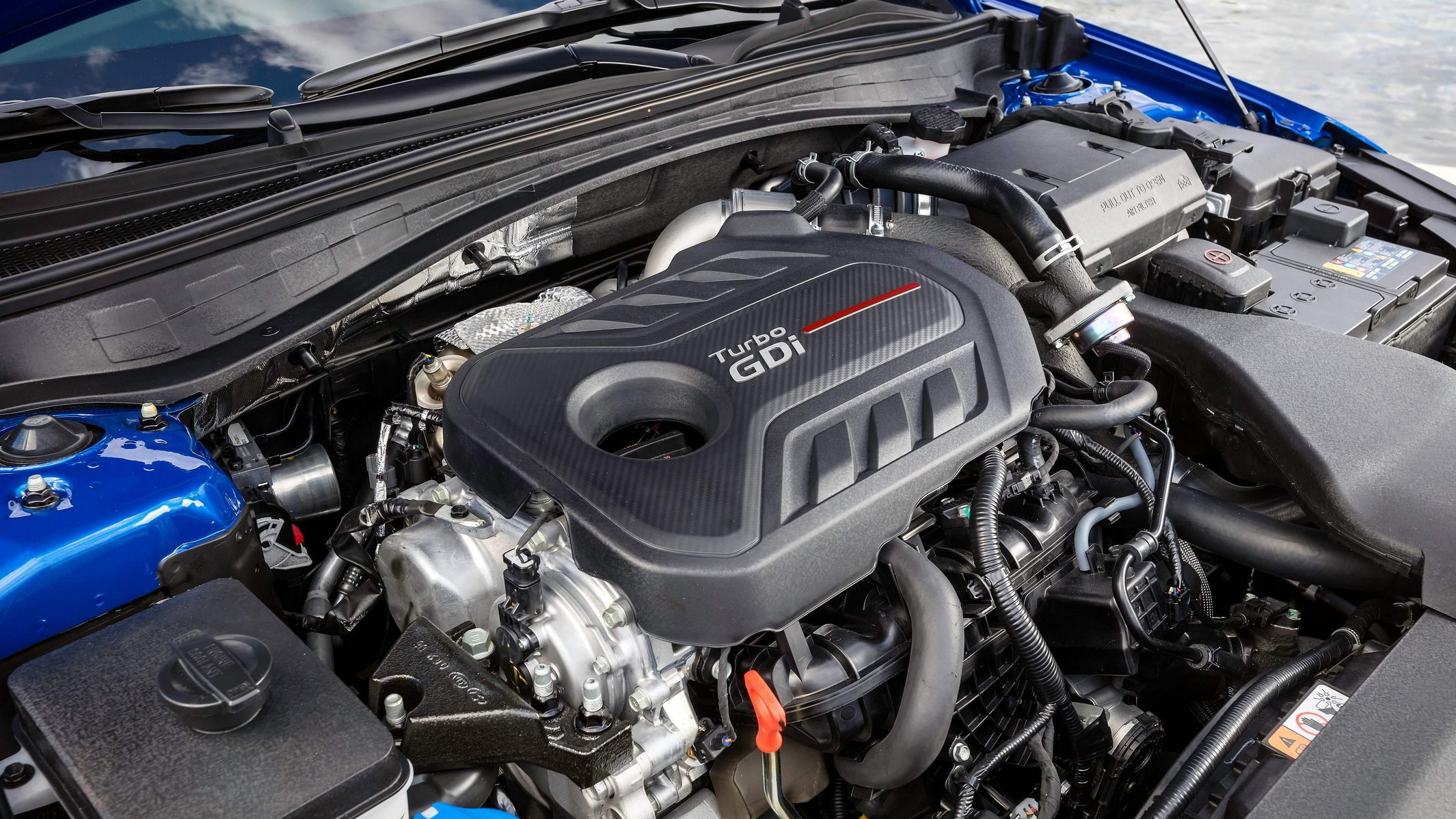
This isn’t the first time that we’ve heard about warranty issues with Kia, Hyundai, or Genesis. Still, they’re far from the only automaker that has disgruntled customers who complain about denied warranty coverage. What makes these brands special is that they all offer exceptional warranty coverage on new cars when compared to their rivals.
Read: How Often Do You Change Your Car’s Oil And Do You Stick To The Manufacturer’s Schedule?
While that looks great on paper, it’s how Kia, Hyundai, and Genesis handle warranty coverage in the real world that matters most. Making a reputation for exceptional service is how they’ll put brands like Toyota, Honda, and others on notice. Until then, they’ll probably continue to get outsold in key categories like the compact crossover.