


- Scammers pose as transport firms to steal high value dealer cars.
- Poor handoff checks let fake pickups turn into expensive losses..
- Dealers are told to verify drivers and confirm transport details.
For decades, automotive dealers have had an inside look at how cars are bought, sold, and moved around the country. That access has long worked to their advantage. Now, however, some are using that same insider knowledge against them.
More: Hackers Reroute Delivery Truck To Steal $300K Rolls-Royce Dawn
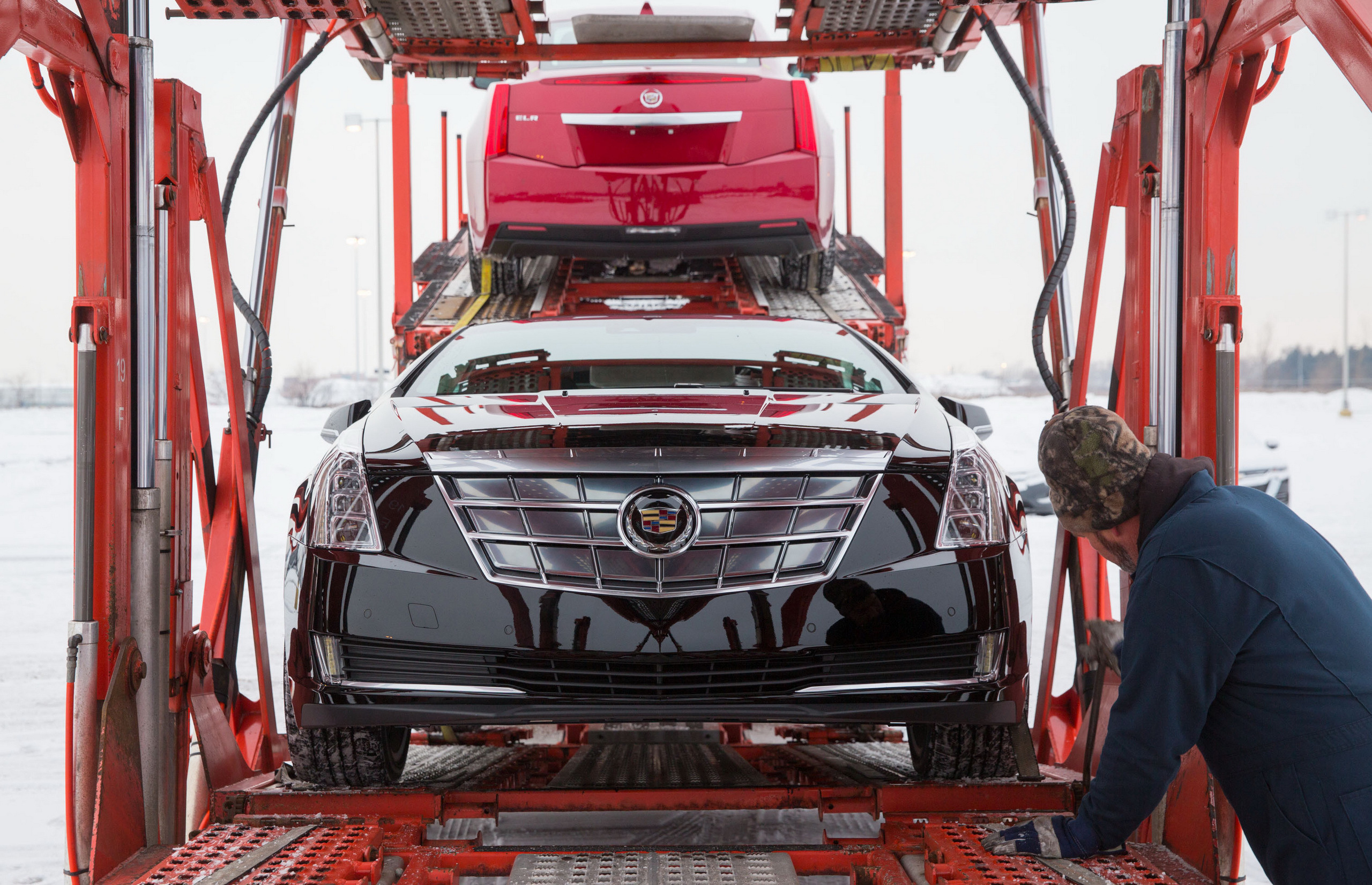
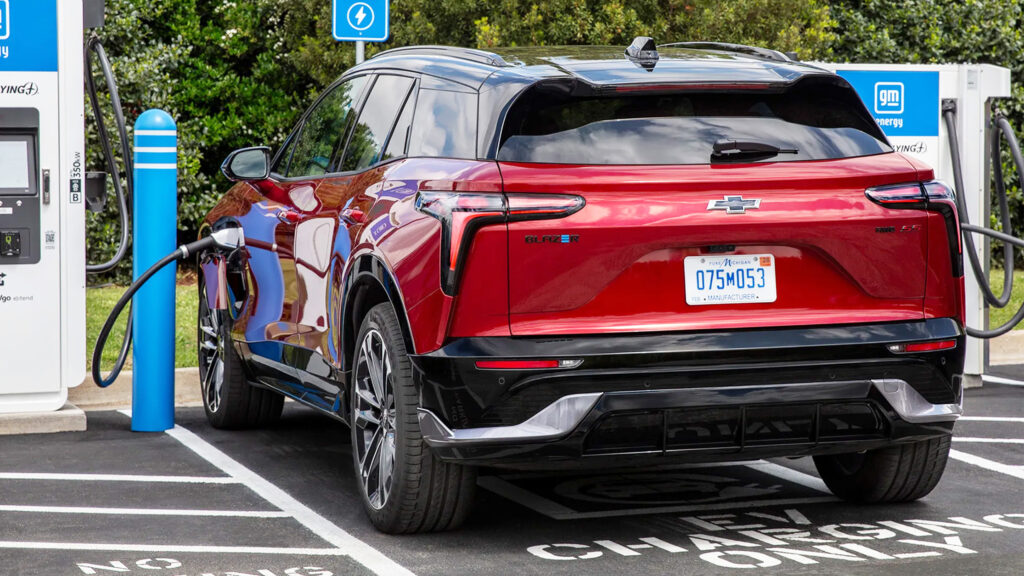
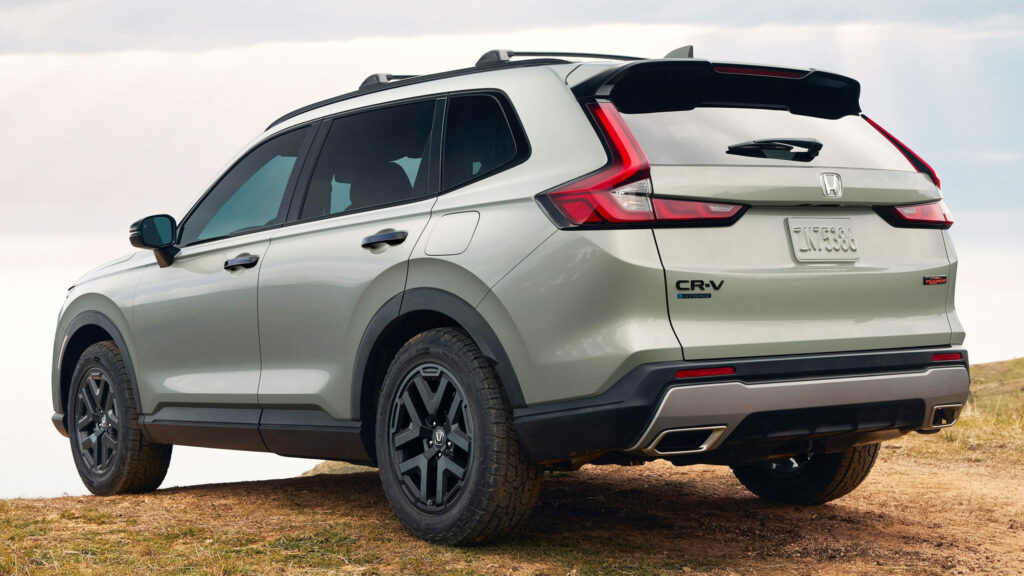
Fraudsters posing as legitimate vehicle transporters are convincing dealers to load exotic and luxury vehicles onto trailers only for the cars to vanish. The realization usually comes too late: the transporter wasn’t the one scheduled, and the vehicle is already long gone.
A Growing Threat
The scams are becoming more common as dealerships increasingly buy and sell high-value used vehicles across state lines. With transactions often involving brokers, auctions, shippers, and multiple dealerships, criminals are exploiting gaps in communication and verification.
“There are a number of handoffs that take place and a lot of different stakeholders involved when moving vehicles,” said Lainey Sibble, head of Central Dispatch, Cox Automotive’s transportation marketplace, to Auto News. “Those handoff points create opportunities for bad actors.”

One of the most striking cases emerged in February, when Loeber Motors, a Mercedes-Benz dealership in Illinois, purchased a 2023 AMG G 63 worth nearly $350,000 from a Mercedes-Benz store in Laredo, Texas.
When the legitimate carrier arrived to collect the SUV, the dealer learned someone else had already picked it up three days earlier. Loeber Motors has since filed a lawsuit over the missing G-Wagon.
How The Scams Work
According to fraud experts, these thefts are rarely simple. Frank McKenna, chief strategist at anti-fraud firm Point Predictive, says the operations often involve phishing emails, cloned websites, fake transport listings, and multiple participants. In some cases, criminals impersonate real transport companies on logistics dashboards, bidding on jobs using stolen credentials.
Also: Cops Bust Crime Ring Rerouting High-End Car Deliveries Across The U.S.
Other scammers monitor public transport listings, identify the dealership based on ZIP code and vehicle details, and arrive before the legitimate carrier. Armed with convincing paperwork, they load the vehicle and disappear, sometimes transferring it to another truck within minutes.
What Dealers Can Do
Ultimately, solving this issue comes down to very simple verification. Dealers can check transport drivers’ licenses against the carrier info they should already have on file. They can contact the transport company directly before releasing the vehicle(s) in question.
Some dealers use platforms with two-factor authentication, QR-based verification, and other digital methods to be certain about who is driving away with their six-figure inventory. Of course, if verification steps are skipped, it’s clear that anything can and will happen.