- Hyundai is bidding to build 12 submarines for Canada.
- Canada may link the deal to local Korean car production.
- Korea accounts for 12 percent of car sales in the country.
Just two weeks after announcing a major trade deal with China that sharply reduced tariffs on EV imports, Canada is exploring another pivotal agreement, this time with South Korea, that could open the door to more car production on Canadian soil.
Although the two countries have had a free trade agreement since 2015, removing tariffs on most goods, this new Memorandum of Understanding (MoU) points to a growing interest in deeper cooperation.
Both countries are responding to the unpredictability of U.S. trade policy under the Trump administration by diversifying their economic alliances. Still, for all the optics, neither has the capacity to replace the United States as a primary economic pillar.
More: Trump Hits Korea With New Tariffs, Hyundai And Kia Are About To Pay The Price
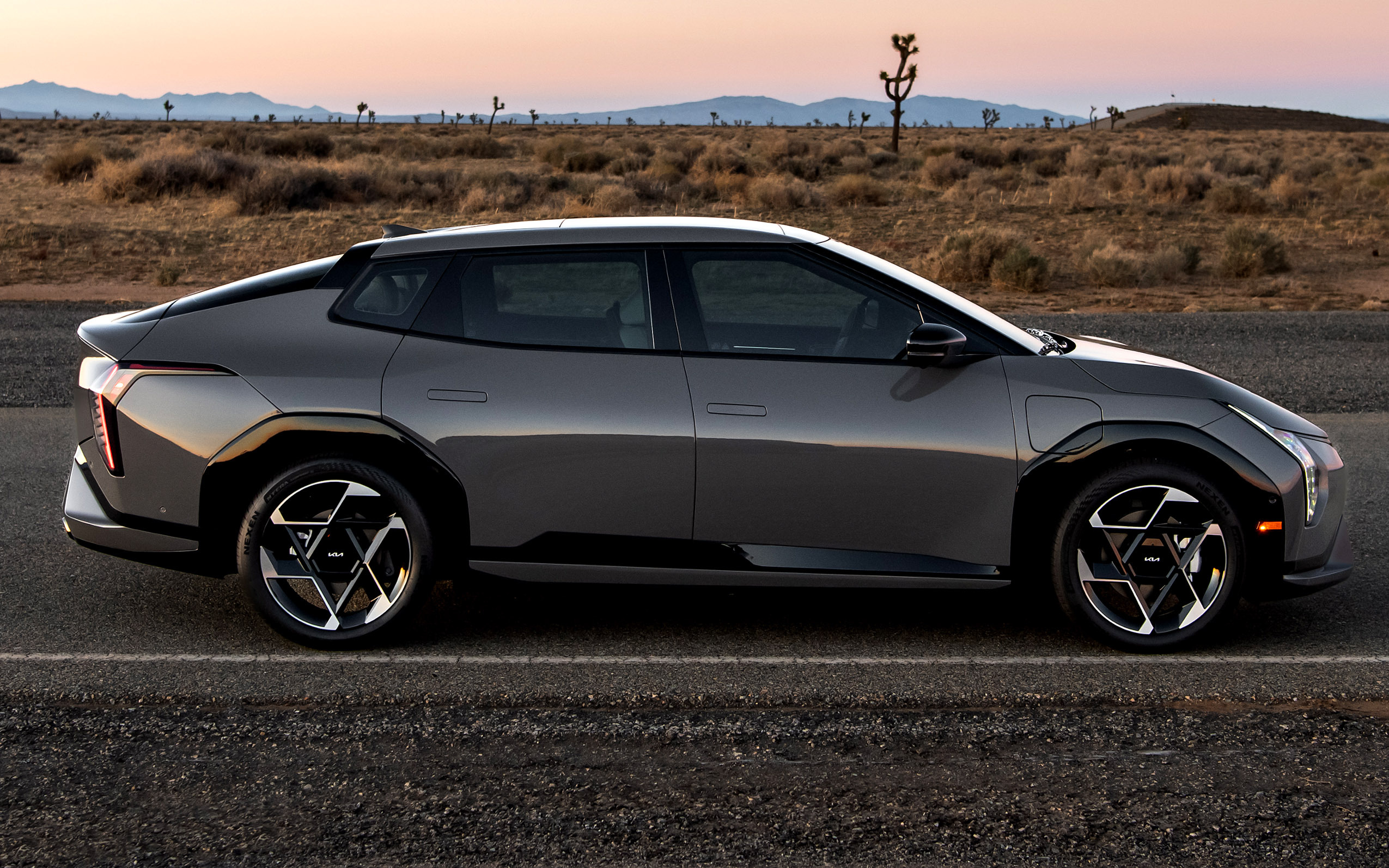
The current priority is to strengthen South Korea’s automotive presence in Canada. That could include domestic manufacturing of Korean-branded vehicles as well as increased production of electric vehicle components and battery technologies.
“This agreement will grow our auto sector, create good jobs and reinforce Canada’s position as a global leader in future-ready vehicle manufacturing,” said Industry Minister Mélanie Joly in a statement on Thursday.
Ties Between Auto and Defence
Canada appears to be courting major Korean automakers such as Hyundai, especially in light of South Korea’s bid to replace Canada’s current submarine fleet.
According to CTV News, both Hyundai and defence contractor Hanwha are involved in a proposal to build and maintain 12 submarines for the Royal Canadian Navy. If selected, the deal could be worth up to $100 billion over the next 30 to 40 years.
More: 1,200 Canadians To Lose Their Jobs After GM Moves Trucks Back To The US
Hanwha, a sprawling South Korean industrial group, has already laid groundwork by signing five separate MoUs with Canadian companies to incorporate their technologies and products into its submarine offerings. Among those agreements is a $275 million commitment toward a new structural steel beam mill in Ontario.
South Korea’s Growing Footprint in Canada’s Auto Market

In 2024, South Korean vehicles made up 12 percent of all cars sold in Canada, amounting to 228,257 units. In a statement, the Canadian government emphasized its aim to strengthen the domestic battery supply chain by encouraging investment and collaboration in battery manufacturing, materials processing, and the refinement, processing, and recycling of Canadian critical minerals.
Read: China Is Ready To Start Building Cars In Canada
Flavio Volpe, president of the Automotive Parts Manufacturers’ Association, believes the timing aligns well for Canada to boost its domestic auto sector by leveraging upcoming defence investments.
“Today the business case is there to build a plant here in Canada, perhaps making electric vehicles… and to build where they sell,” he said. “Canada is interested in buying submarines and there are two healthy bidders. And both of those healthy bidders have automakers that sell a lot of cars here and sell batteries here.”