










- Mazda engineers secretly built a 2.5-liter V6 MX-5.
- It sharpened the drive but caused packaging headaches.
- Design compromises kept the V6 Miata from production.
If there is one complaint that usually follows the MX-5 around, it is a perceived lack of power. That gripe has echoed for decades, inspiring just about every engine swap imaginable in the Miata community, from V6s to V8s and even the occasional V12 squeezed into a very small nose.
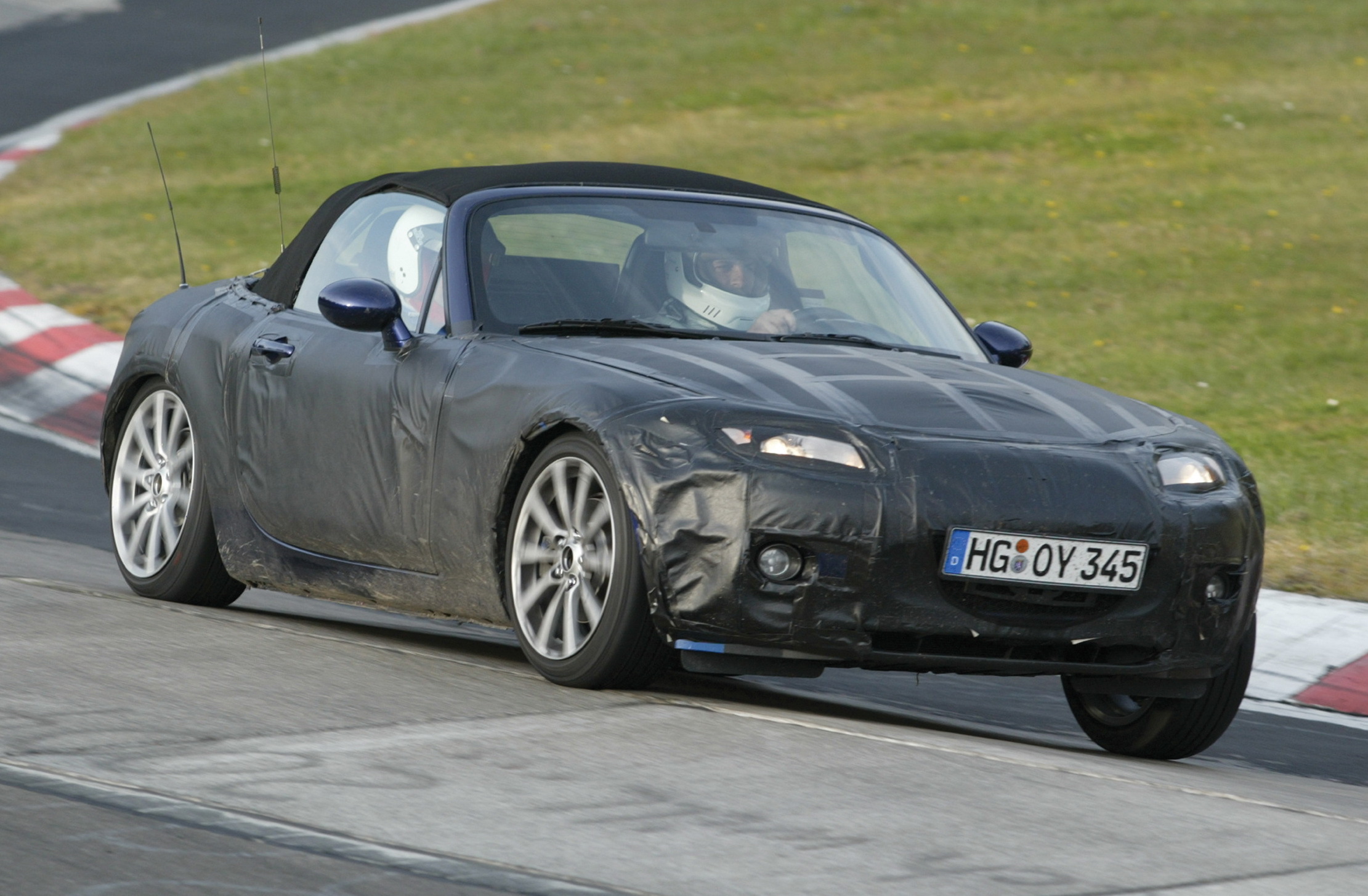
Now, a new interview with a senior Mazda executive reveals that 20 years ago, the brand tried something that has received little public attention. What was it? Engineers slipped a V6 under the hood of a prototype MX-5, then discovered two obstacles that kept it from reaching production.
Also: Mazda Confirms New MX-5 NE Will Be Electrified, Just Not Fully Electric
While speaking with Dutch outlet AutoRAI about the future of the next-generation NE model, Christian Schultze, Director of Research and Operations at Mazda Motor Europe, revealed that the experiment took place “about twenty years ago”.
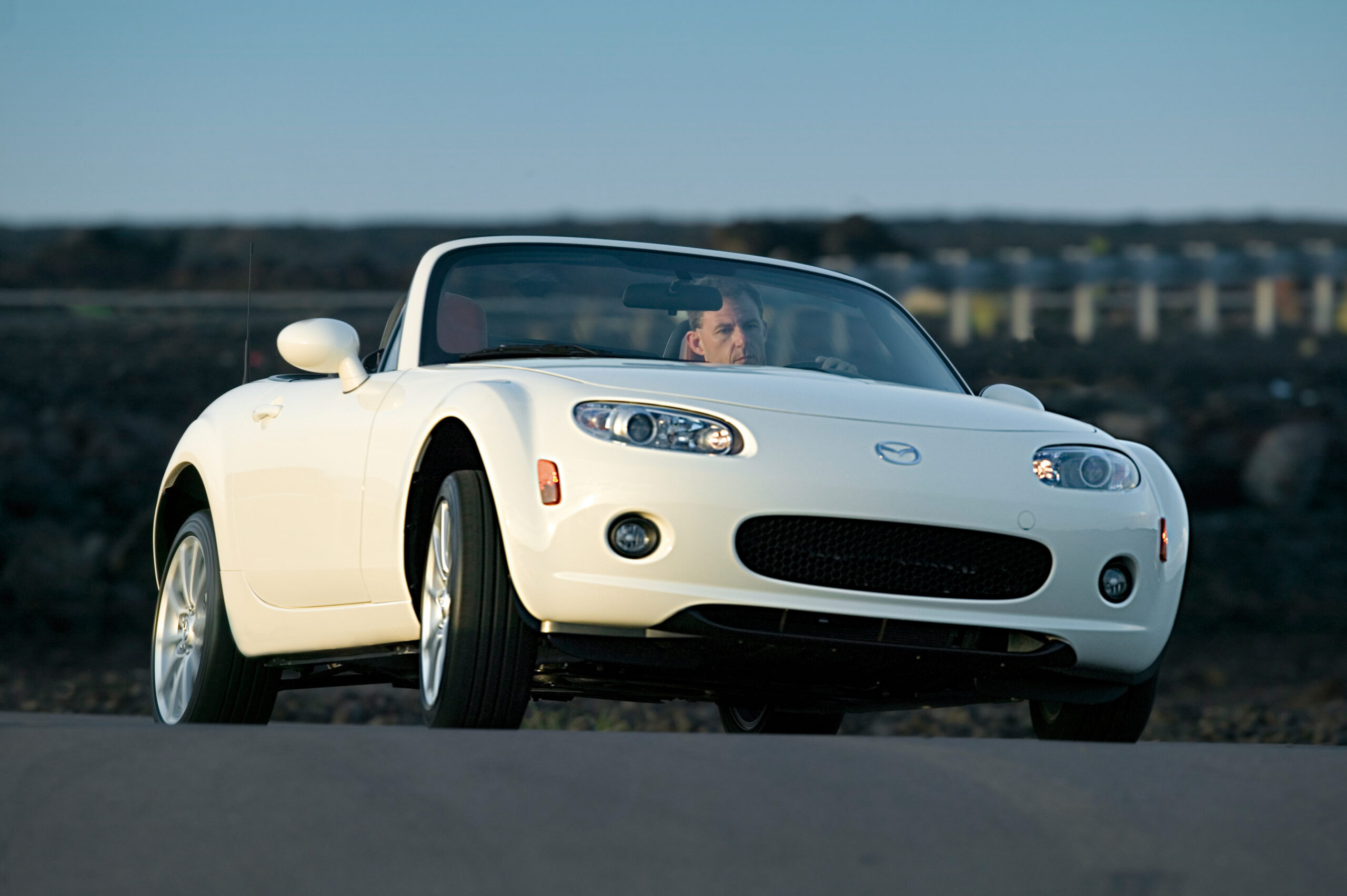
If the timeframe is accurate, this would place the experiment either right around the handover from the NB (1998 to 2005) to the NC (2005 to 2015). It makes more sense that Mazda would have tried the idea on the incoming platform rather than the one about to bow out.
Also: Miata’s Still The Answer, Now With A V6 And No Apologies
Details are sparse, but Schultze did let a few key points slip. Asked about the possibility of fitting a 2.5-liter engine to the next-generation NE, he offered a small history lesson:
“Interestingly enough, we already tried something like this about twenty years ago. Back then, our engineers built a prototype with a 2.5-liter V6 in their spare time. They did it here in the workshop, purely out of enthusiasm. Technically, it was a fascinating project.”
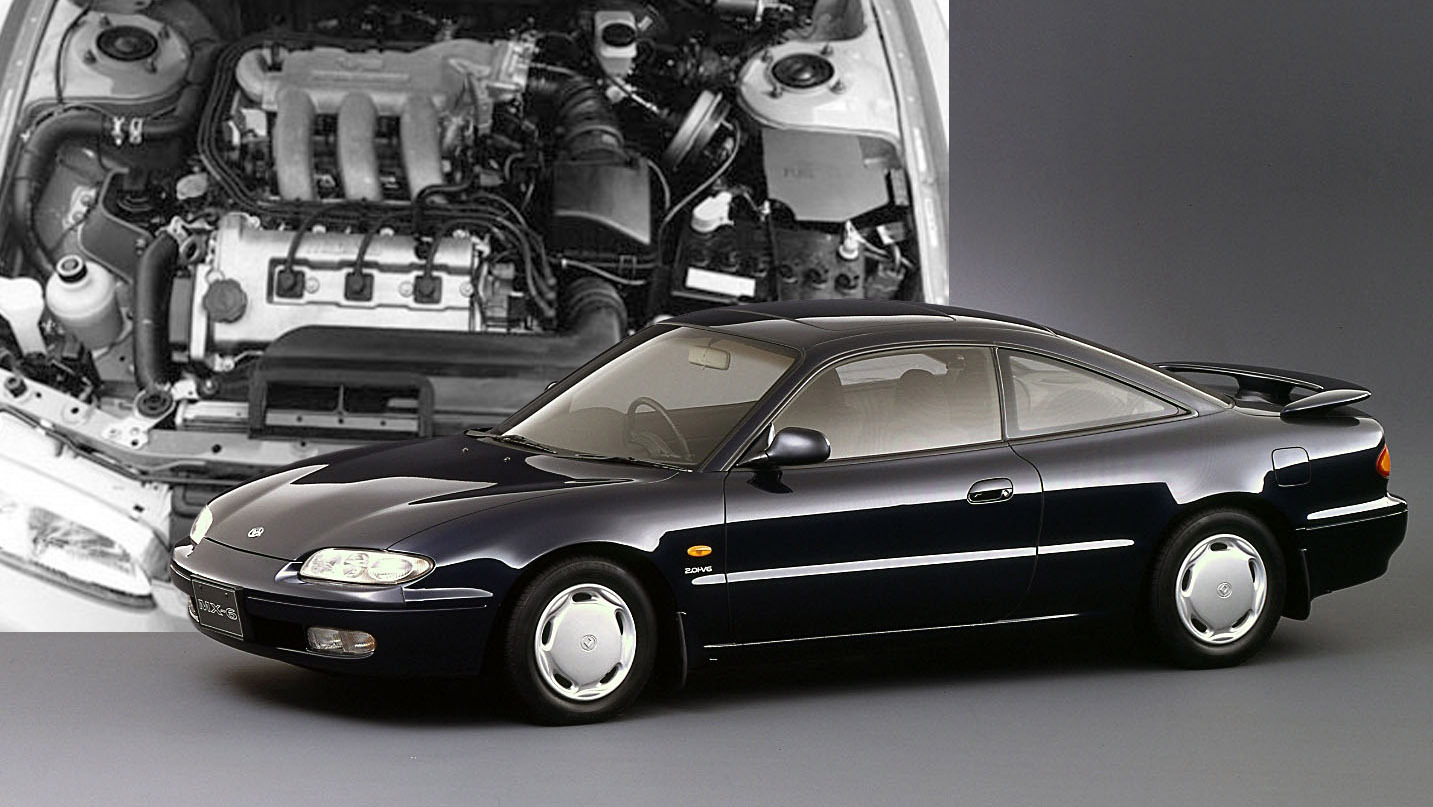
While not explicitly stated, it sounds like the same K-Series engine Mazda used for cars like the 626 and MX-6. There were several versions, topped by the Japan-only KL-ZE, which produced 200 hp (149 kW; 203 PS) and 165 lb-ft (224 Nm). Globally, the more common KL-DE delivered around 164 horsepower (122 kW) and 160 lb-ft (217 Nm) of torque.
No, those aren’t gigantic numbers, but they’re a lot more than the 140 hp (104 kW) and 119 lb-ft (161 Nm) available in the NB at the time.
According to Schultze, “in terms of the driving experience, it was definitely interesting.” Importantly, Mazda managed similar figures (170 hp / 140 lb-ft) in the NC when it arrived with an NA four-cylinder. The big difference would’ve been the flatter torque curve from the V6.
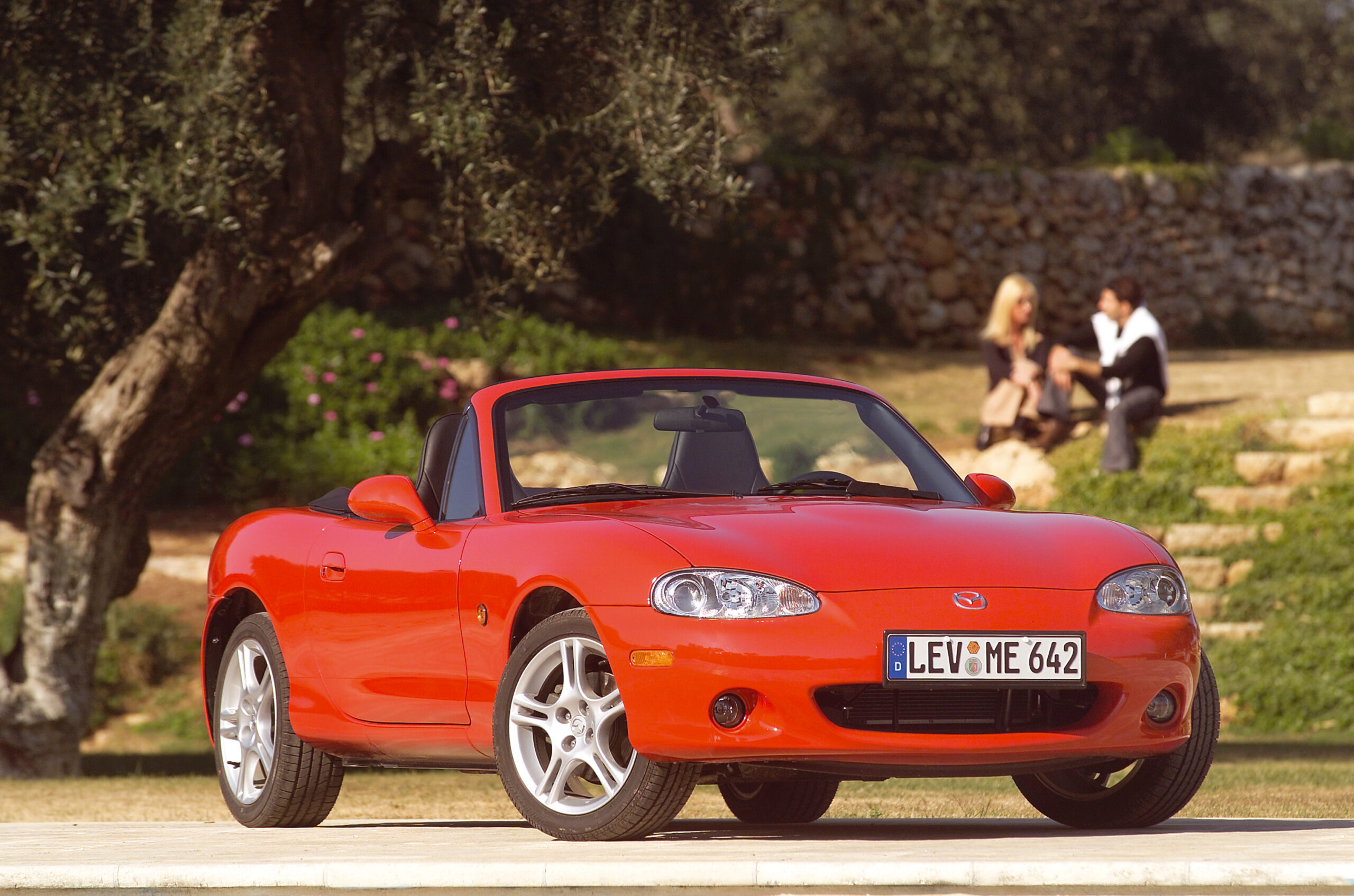
That said, Schultze says there were two main issues that kept the V6 from going beyond the prototype stage. First and foremost, it didn’t really fit. “The problem, however, was the packaging. The engine didn’t fit well under the hood; it was simply too high. The result wasn’t visually appealing,” he says.
More: Mazda’s Rotary Sports Coupe Plan Faces A Roadblock It Can’t Engineer Around
Secondly, it would’ve changed the weight balance on the car. A 2.5-liter engine is naturally heavier than a 2.0-liter engine or smaller. Mazda didn’t want to re-engineer everything around a heavier engine.
The question now is how Mazda will manage the weight of batteries and motors if it electrifies the next MX-5. For the time being, that decision still appears to be at least a few years away.