










- Toyota offers up to $6,500 in incentives on the new bZ Woodland.
- Buyers can choose $5,000 cash or 0% financing with bonus cash.
- Subaru’s Trailseeker remains cheaper despite Toyota’s early discounts.
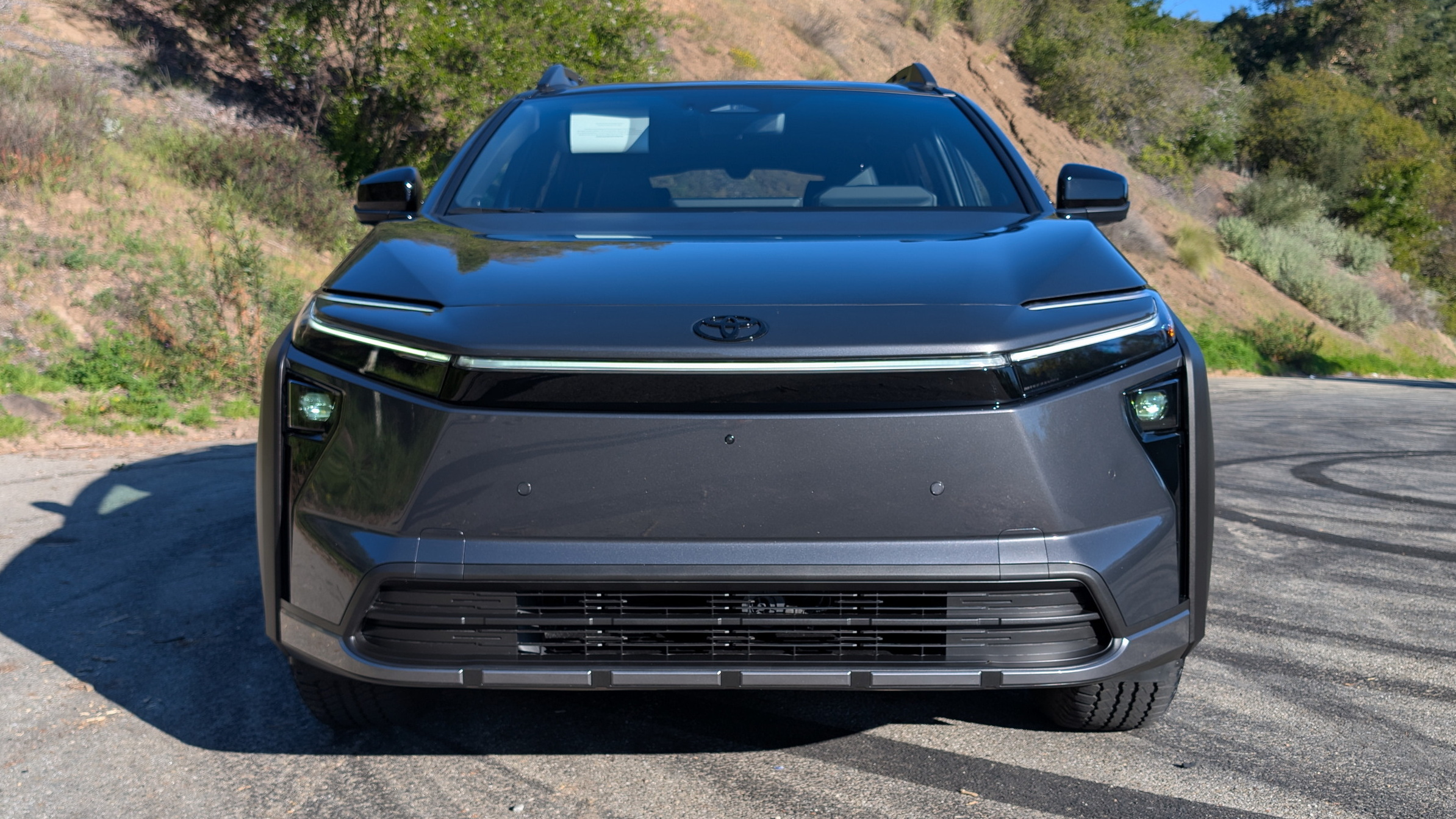
The new Toyota bZ Woodland arrives at a complicated moment for electric SUVs. Conceptualized and likely sent into a production cycle with federal tax credits in mind, the electric crossover is here without those credits to rely on. On top of that, its near identical Subaru twin, the Trailseeker, costs thousands less. Now, Toyota is putting discounts of up to $6,500 on its brand-new electric model to sweeten the deal.
According to Cars.com, the deals aren’t exactly hidden or subtle, either. Buyers can score $5,000 in customer cash, lessees get $6,500 in lease cash, and those with pristine credit can opt for 0% APR for 72 months plus $3,500 cash back. Not bad for a model that effectively just arrived on dealer lots.
How Do The Incentives Work?
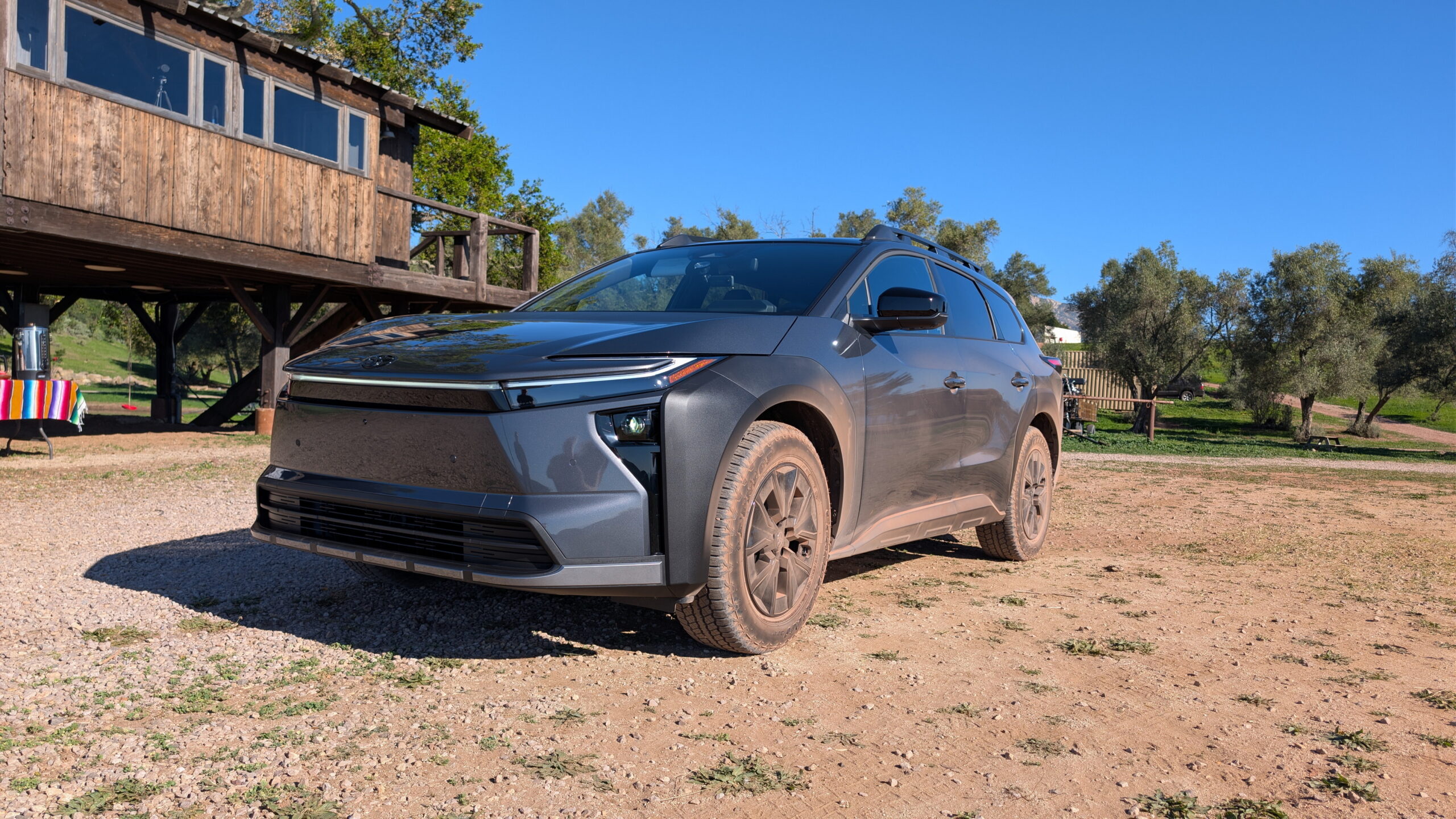
Here’s how it breaks down. The $5,000 customer cash incentive functions like a rebate and lowers the price or amount financed. The $6,500 lease cash deal reduces the capitalized cost of the lease, which means lower monthly payments. The $3,500 cash back deal with 0 percent APR is exactly what it sounds like. A discount on the price and no interest on payments for six years. All deals expire on March 2nd.
Review: 2026 Toyota bZ Woodland Is Quicker Than A GR Corolla, But That’s Not Its Real Trick
With pricing starting at $46,750 (including $1,450 destination) and climbing to $48,850 for the Premium, Toyota clearly felt some pressure to keep this wagon-like EV competitive in a cooling segment. These deals should help, considering that the bZ Woodland seems incredibly similar to Subaru’s Trailseeker.
Pricing Pressure From Subaru
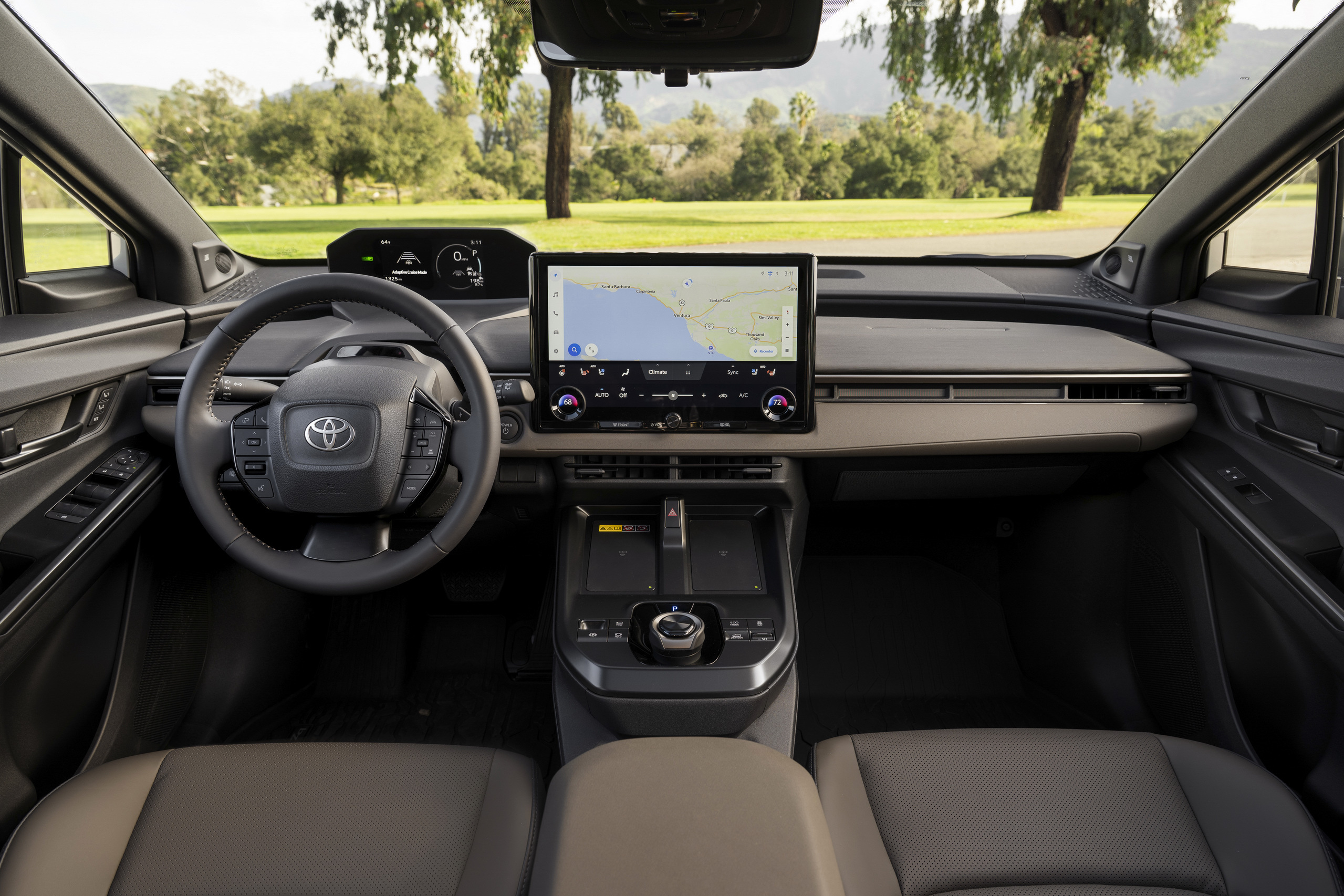
For its part, the Trailseeker starts at $39,995 before destination, and that’s without discounts. So even with $5,000 on the hood, the Toyota still plays in a higher price bracket. That means the Woodland’s biggest advantage may come down to brand loyalty, dealer networks, and whether buyers prefer Toyota’s design and packaging.
First Drive: The 2026 Toyota C-HR Refuses To Grow Up And Goes All-In On EV Thrills
Again, Toyota probably cooked up this car when it thought the $7,500 federal EV subsidies would still exist at launch. With that in mind, this feels like an almost necessary move to keep the car moving off dealer lots.