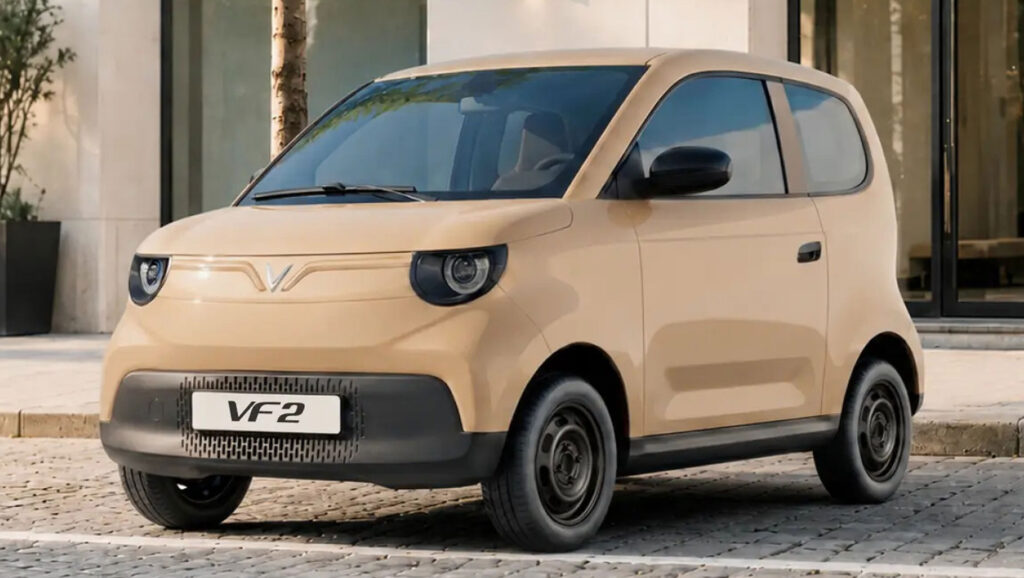
- Dacia will launch a sub-€18k urban EV later this year.
- Three additional electric models are planned by 2030.
- Electrified models may reach two-thirds of sales.
Dacia has revealed its future roadmap as part of Renault Group’s futuREady plan, outlining how the Romanian brand intends to expand its lineup and accelerate electrification. The automaker will launch four new EVs by 2030 while steadily increasing electrification across its entire range.
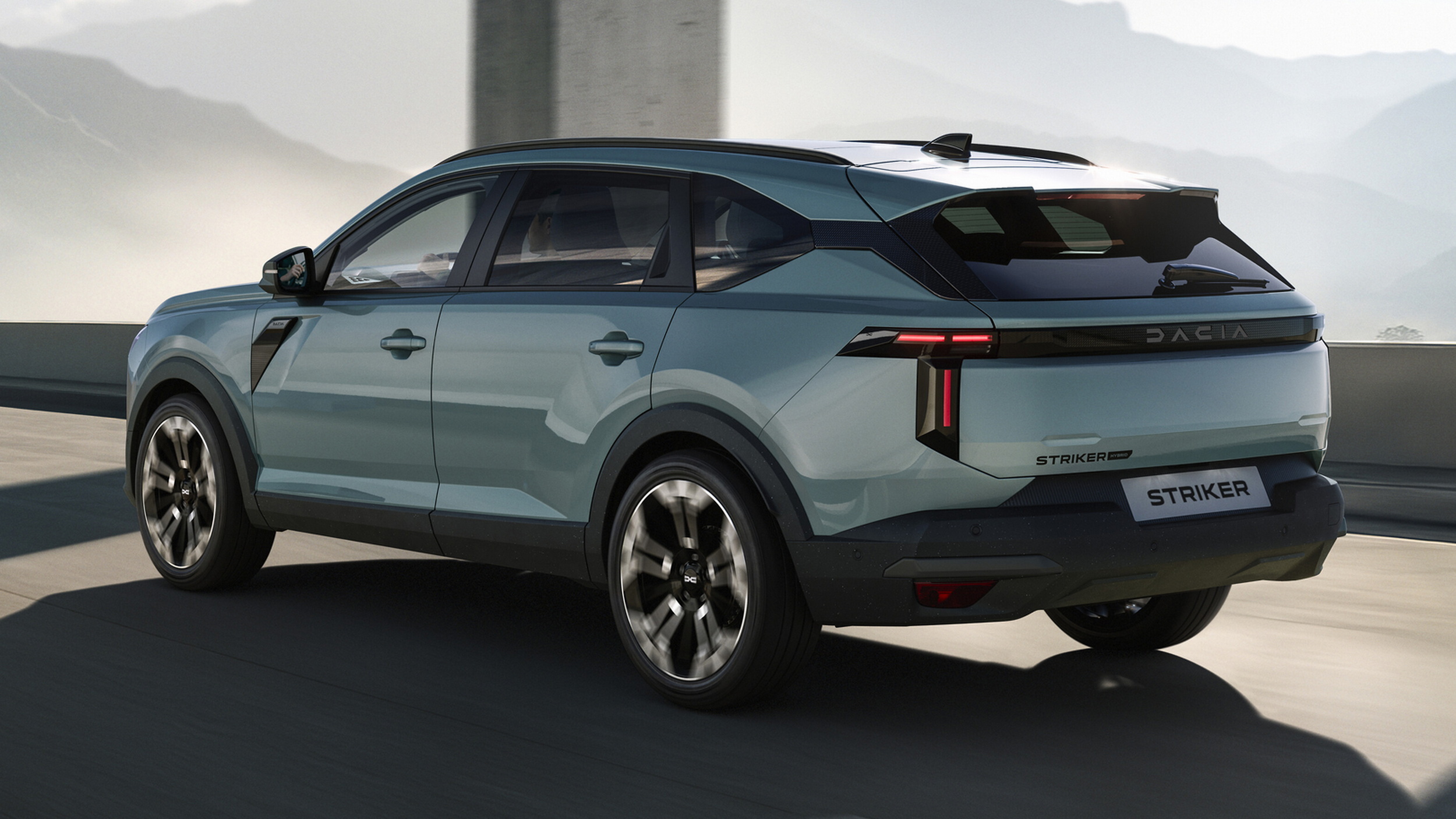
Furthermore, Dacia is also stepping up its presence in the compact segment. The new Striker crossover wagon will join the Bigster SUV, while the company continues work on the next generation of its best-selling Sandero.
New Urban Electric Model
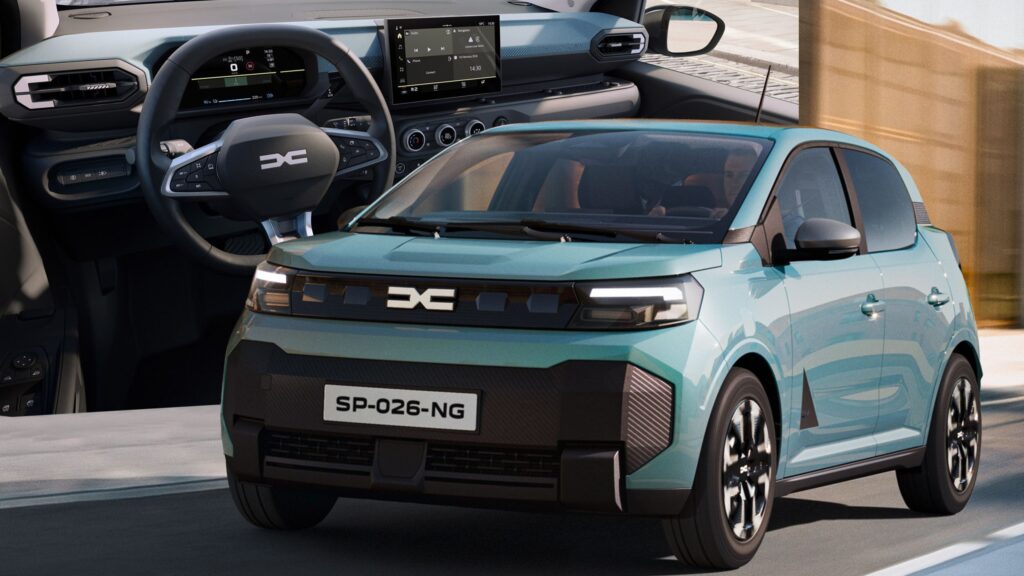
Starting with the zero-emission plans, Dacia has confirmed that a new entry-level urban EV priced below €18,000 ($21k) will debut later this year. This model will coexist with the Chinese-built Dacia Spring despite their similar size and positioning.
The yet-unnamed model will ride on the RGEV architecture, which appears to be a new name for the AmpR Small platform used by the Renault Twingo E-Tech. The EV was developed in less than 16 months and is expected to be manufactured at Dacia’s Novo Mesto plant in Slovenia.
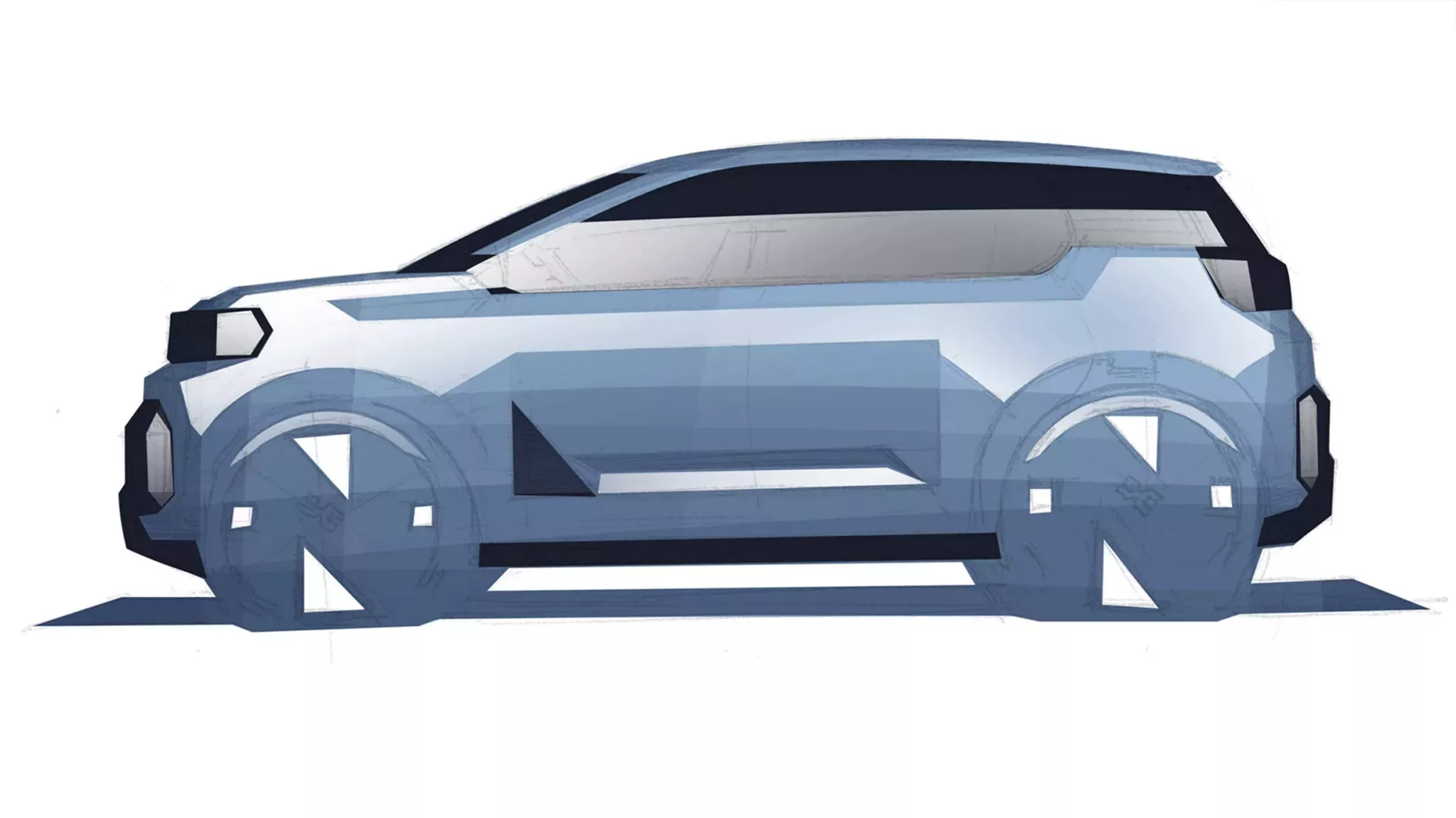
The company did not provide specifics about the other three EV debuts, but one is widely expected to be a fully electric version of the next-generation Sandero subcompact hatchback. Another possibility is a production version of the Hipster concept, which could target an even smaller segment.
Next Generation Sandero Plans
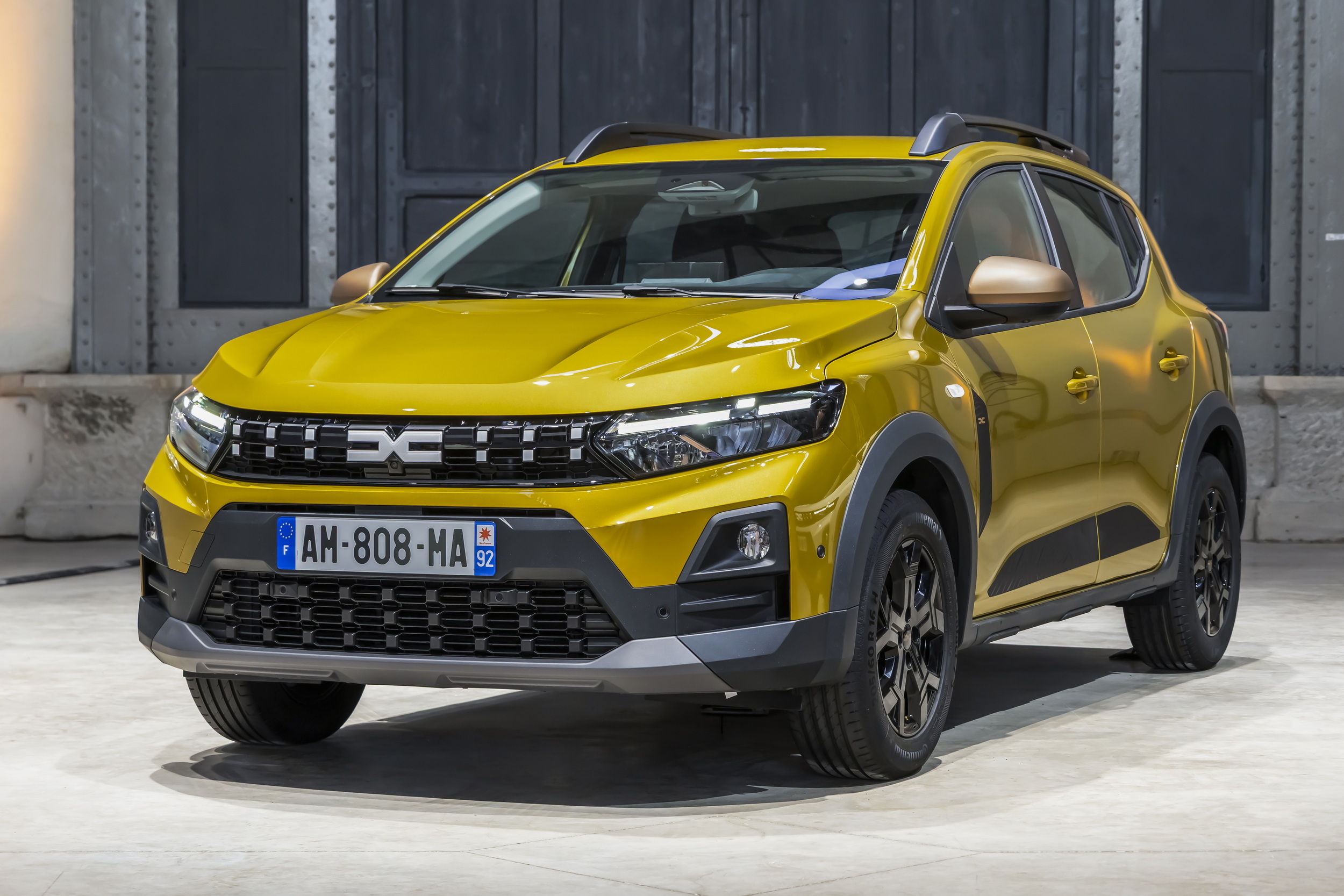
The Sandero was Europe’s best-selling passenger vehicle in both 2024 and 2025. It has also remained the “number one vehicle sold to private customers” since 2017. The current generation debuted in 2020 and received updates in 2022 and 2024, followed by a facelift for 2026. Even so, Dacia is already working on its successor.
More: Dacia’s Best Seller Could Be Headed For A Big Transformation
The next Sandero will feature a “multi-energy powertrain range,” aligning with Dacia’s broader electrification roadmap. This points to hybrid and fully electric variants alongside a combustion option compatible with gasoline and LPG. Regardless of the powertrain mix, Dacia says the new generation will remain the value-for-money benchmark in the subcompact segment. Current reports suggest a debut in 2028.
Electrified Sales Mix Target
Dacia has shown notable resilience over the past decades, evolving from a regional player into a major European brand. Last year, the Romanian automaker surpassed 10 million sales since its 2004 relaunch under Renault ownership.
More: Dacia Striker Brings The Budget Wagon Back For Under €25K
As electrification expands across the lineup, Dacia expects its sales mix to shift significantly. The company believes electrified vehicles will account for about 67% of new car sales in the future, up from roughly 25% today. Alongside hybrids and EVs, the brand continues to emphasize LPG-powered models as part of its cost-focused strategy.
As you might expect, Dacia places strong emphasis on cost efficiency. Its business model delivers a 15% cost advantage compared with the rest of the market. According to the company, that edge comes from local integration, high factory utilization rates, and a distribution model that operates at less than half the average cost of Western European competitors.
More: Only 500 Of These Rugged Dakar Dusters Exist And You Can’t Have One
Finally, Dacia highlights the loyalty of its customer base. In Europe, more than 70% of Dacia buyers remain with the brand for their next purchase, while another 10% move up to a Renault. At the same time, roughly 65% of first-time Dacia customers come from outside the Renault Group.