- A “death wobble” lawsuit was filed nearly seven years ago.
- It began as a nationwide class action over Super Duty trucks.
- After Ford’s appeal, the Ninth Circuit narrowed the case.
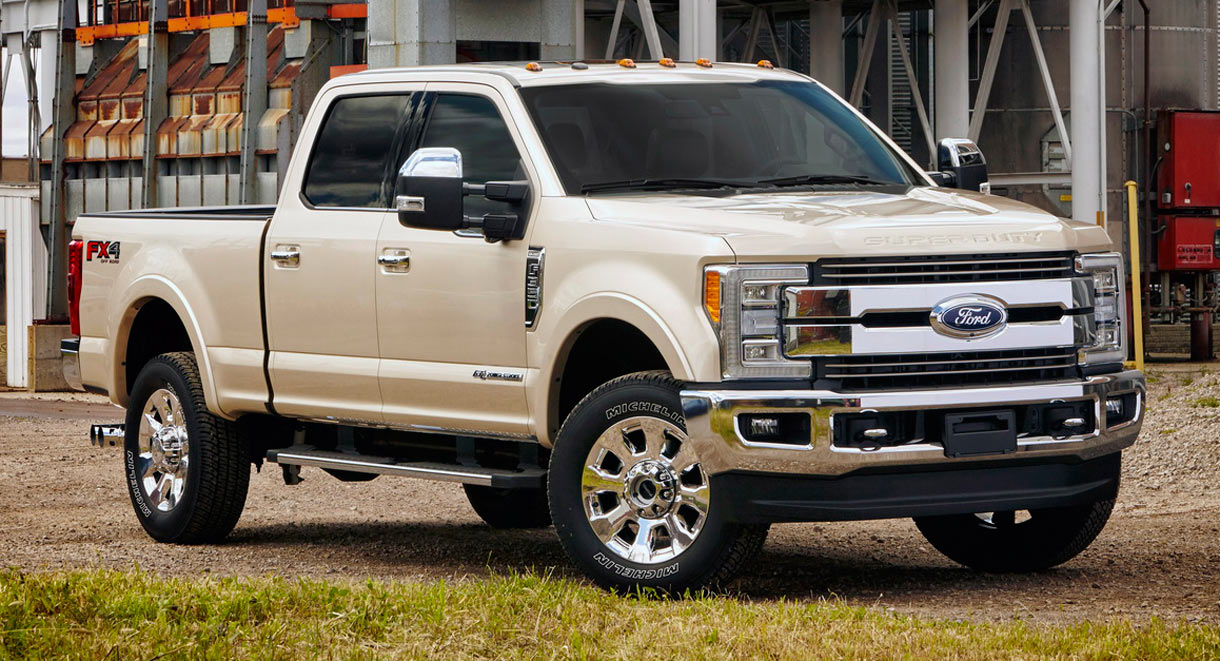
A long-running lawsuit over the so-called “death wobble” in Ford Super Duty pickups has taken a new turn. After years of motions, arguments and appeals, an appellate federal court has sent key portions of the case back to a lower court for another review. The dispute centers on some models of the Ford F-250 and F-350 trucks that owners say can cause severe steering vibrations while traveling on highways.
Drivers behind the lawsuit are talking about a sudden, violent shaking in the front end after hitting bumps or uneven pavement. According to their claims, the oscillation, or “shimmy,” can go on until the truck slows down considerably, and a tense and potentially dangerous situation develops. They say that the problem is not a matter of routine wear, but is indicative of a deeper mechanical problem.
Ford’s Appeal Gets The Case Relooked At
The case had previously been approved to proceed as a class action in a number of states. That gave afflicted owners the ability to pursue their claims collectively rather than to file separate lawsuits. Ford fought back, saying the trucks involved vary by model year, condition, mileage, and maintenance history, which makes a single class inappropriate.
Read: This Is What A Death Wobble In A Jeep Cherokee Looks Like
The U.S. Court of Appeals for the Ninth Circuit recently weighed in and, in part, sided with Ford’s position. The judges ordered the lower court to reconsider whether there is sufficient evidence of a commonality between the trucks to continue to structure the case as a class action. The lawsuit is still ongoing, but the legal avenue now comes under renewed scrutiny.
Another Setback

There are certain steering and suspension components, including steering dampers, that the lawsuit says are prone to failure in some Super Duty models. The 13 owners involved claim the shimmy is not normal wear, but a condition that can occur at any time.
Ford disputes that. According to the company, there is no one defect that is present in all the trucks and attributes it to such factors as mileage, maintenance, changes, and driving habits. Due to the large diversity in conditions, Ford suggests that a blanket class action is not the right course of action.
See Also: Ford Has Already Recalled Nearly Three Times As Many Cars As All Other Brands Combined
A further setback centers around the Plaintiff’s claims that Ford knew about the issue before the very first truck was sold. “Presale Knowledge” is a common argument that is often disputed by automakers. However, in this case, the Ninth Circuit found that the lower court judge should not have allowed general evidence to support the claim of pre-sale knowledge.
What Happens Now
Over time, the scope of the lawsuit has become narrower. Earlier filings cited a wide variety of model years from the mid 2000s into the late 2010s. The current version focuses on individual years and select states, with some categories of vehicles, including ones used in commercial service, being excluded from the certified classes.
That tightening reflects the difficulty that the plaintiffs have in proving a consistent problem affecting thousands of vehicles. The district court must now determine whether the claims that are left have enough in common to go together or whether the structure needs to change.