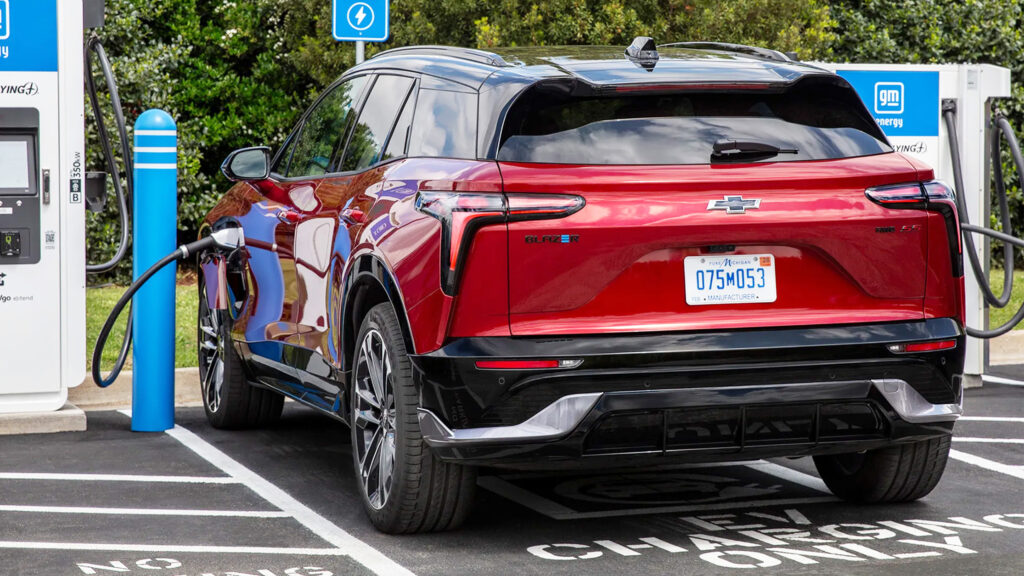
- Last year, EVs cut oil use by 2.3 million barrels a day.
- US drivers spent $1.65 billion more on fuel in just one week.
- EV search interest surged after news of the Iran conflict.
Due to the ongoing conflict in the Middle East, oil prices have surged to a four-year high and are fast approaching $100 per barrel. Regardless of where you live, this means that if you’re driving an ICE-powered car, you’ll be paying more to fill it up. It’s perhaps the perfect time to own an EV instead.
A recent study indicates that last year’s increased adoption rate of EVs reduced oil consumption by 2.3 million barrels per day, and these fuel savings will continue to grow as more EVs are sold. By 2030, EVs could help to reduce global oil consumption by 5.25 million barrels per day.
Read: The $8 Gallon Is Here, If You’re Dumb Enough To Pay For It
As noted by BloombergNEF, a key contributor to the reduced oil demand is two- and three-wheeled EVs, which have surged in popularity, particularly across Asia. A separate, more conservative study that factors in how often plug-in hybrid vehicles run on fossil fuels pegged last year’s daily oil savings at 1.7 million barrels.
At this rate, and with average prices of $80 per barrel, the analysis says that China would save more than $28 billion a year in oil imports thanks to its massive EV industry. Similarly, Europe would save $8 billion, and India could save $600 million per year.
Is This The Break EVs Need?
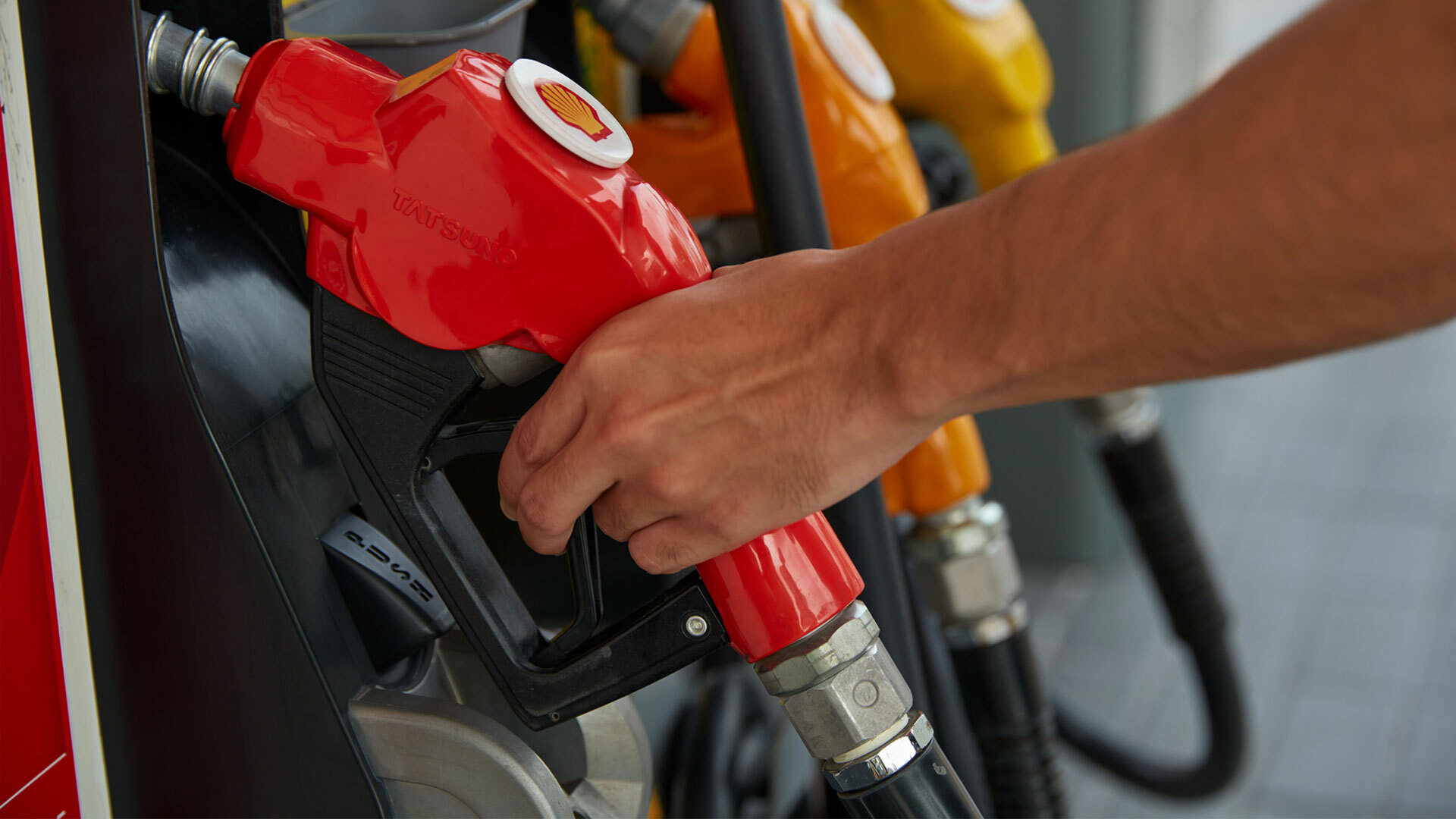
The war in Iran has made regular fill-ups for ICE drivers far more expensive. Just this week, Bloomberg expects US drivers to pay an additional $1.65 billion at the pump. With gas prices showing no signs of stopping, it should come as no surprise that interest in EVs has jumped this month.
CarEdge reports that search traffic for electric vehicles jumped 20 percent in the week following the attack on Iran. Search traffic also nearly doubled for many of the market’s most popular EVs, including the Chevrolet Equinox EV and Tesla Model Y.
Of course, surging oil prices will likely also lead to increased electricity costs, meaning charging an EV could become more expensive. However, electricity rates won’t rise by as much, as only roughly a quarter of a typical US power bill is directly tied to fuel costs.