- An climate group pushed to ban BMW and Mercedes from selling ICE cars.
- A court ruled that climate protection laws are the responsibility of lawmakers.
- The EU has recently stepped back from its planned 2035 ban on ICE vehicles.
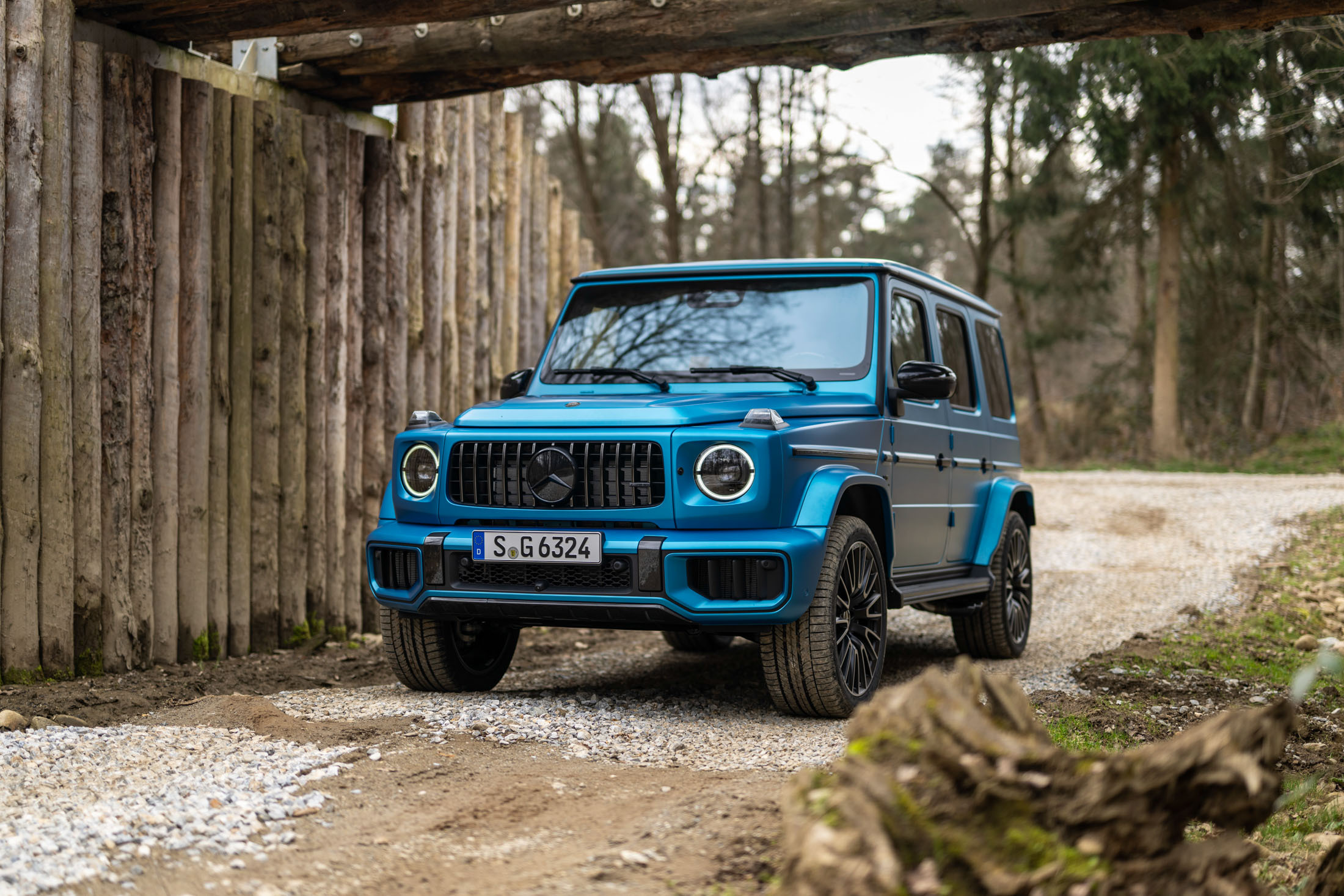
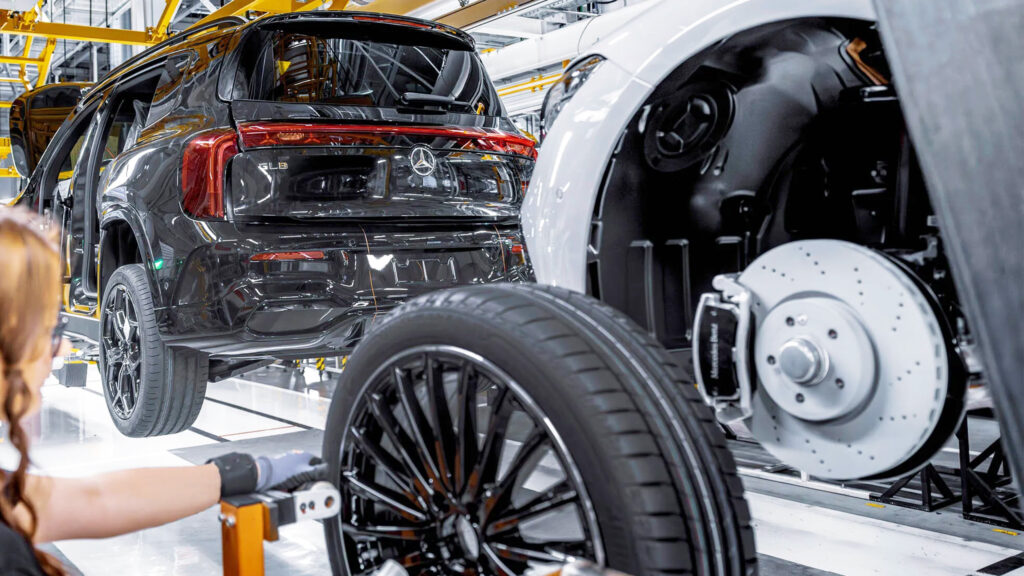
Are automakers still building internal combustion engines trampling on the rights of younger generations? Well, according to an environmental group in Germany, they are, and they’re apparently even violating the nation’s constitution. A German court, however, disagrees.
Read: The EU Blinked And Gas Cars Live To See Another Generation
Three managing directors from Environmental Action Germany (DUH) claimed that carmakers have already consumed an outsized share of both global and national carbon dioxide budgets. On that basis, they pushed for a ruling that would force BMW and Mercedes-Benz to stop selling ICE-powered vehicles after 2030.
Beyond the headline demand, the case zeroed in on a more complicated legal question. Can private companies be compelled to reduce emissions beyond what current government regulations require, effectively being held to a stricter standard than the law itself?
Targeting Two, Ignoring The Rest
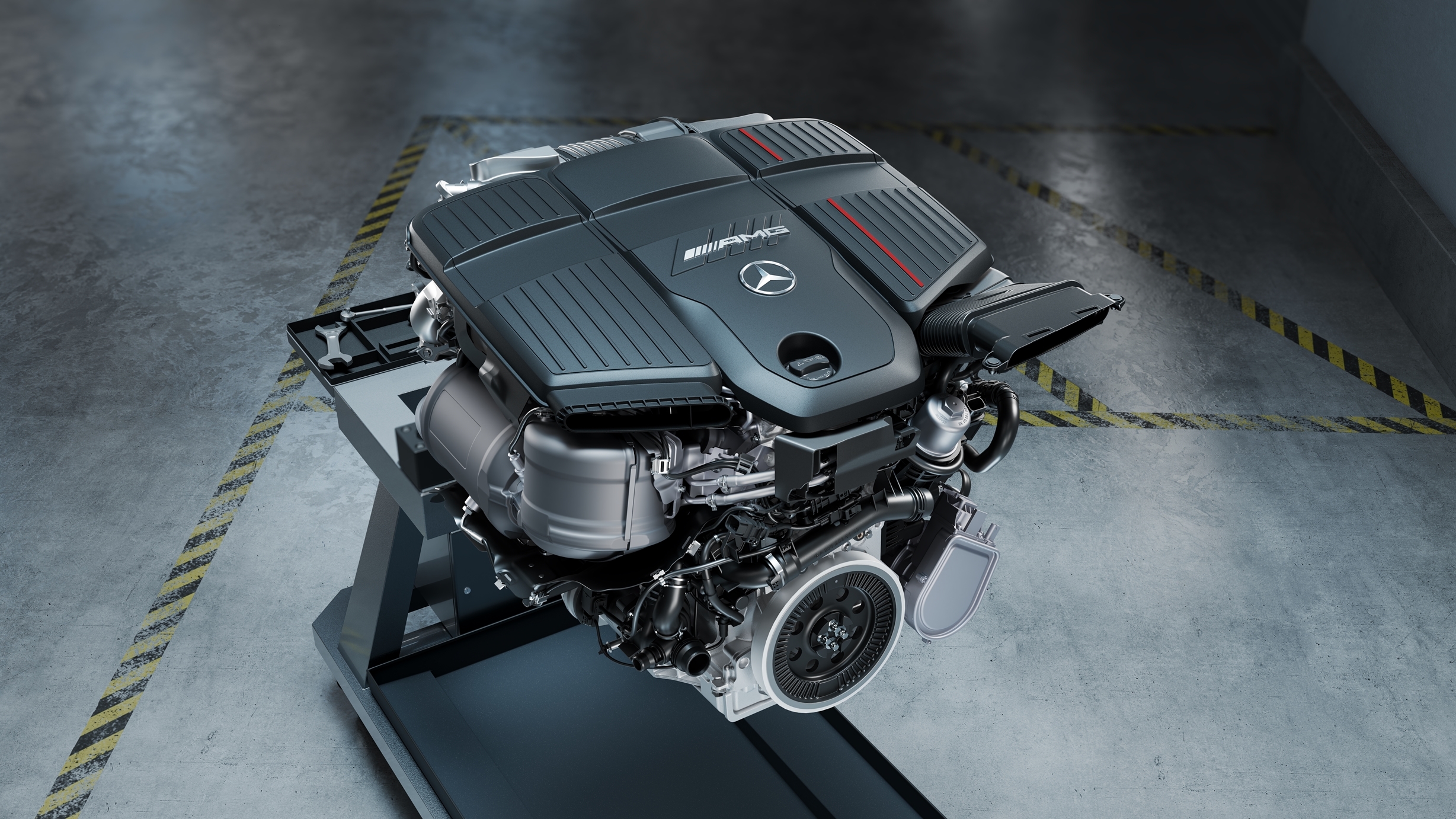
It remains unclear why the lawsuit singled out BMW and Mercedes-Benz, leaving out the dozens of other automakers operating in Germany. The plaintiffs argued that allowing these companies to continue building more ICE vehicles and consuming carbon budgets could ultimately force the government to impose stricter emissions cuts, potentially limiting the freedoms of younger generations.
Their argument leaned in part on a 2021 ruling by Germany’s Federal Constitutional Court, which required lawmakers to strengthen climate laws to better safeguard future generations.
Earlier this week, Germany’s Federal Court of Justice dismissed the case, according to DW. Judge Stephan Seiters stated that “the responsibility for climate protection legislation” rests with lawmakers. Even so, the DUH has signaled it may consider an appeal, suggesting this legal theory is not quite finished yet.
BMW Celebrates The Win

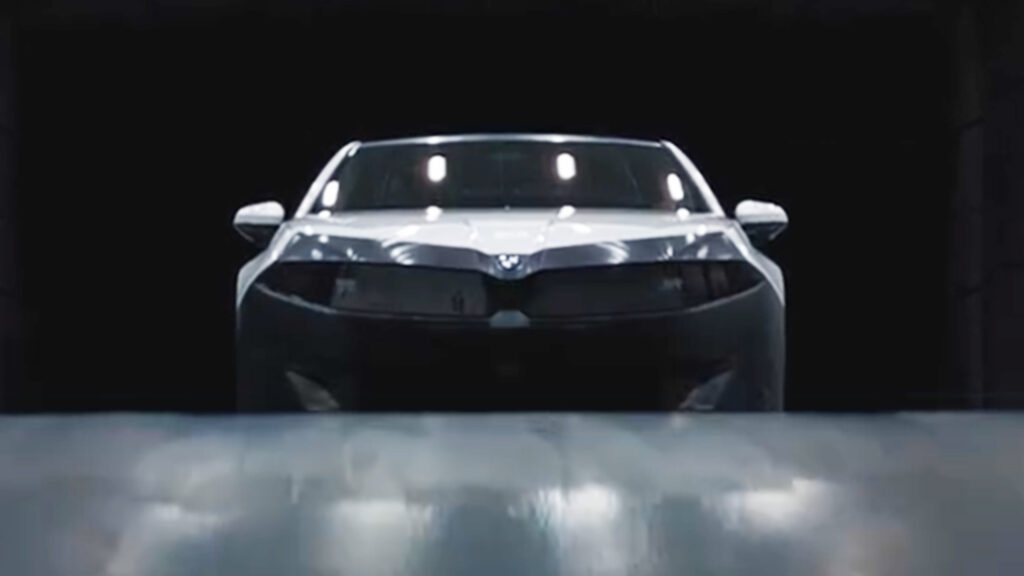
As you’d imagine, BMW is thrilled with the news that a court won’t force it to stop selling ICE vehicles, with the company noting it “has long been making an effective contribution to climate protection.”
“Throughout the proceedings, we have consistently maintained the position that the debate over how to achieve climate targets must take place within the political process through democratically legitimized parliaments,” the company said. A spokesperson added that the ruling provides legal certainty for companies operating in Germany.
This isn’t the only major win in Europe that BMW, Mercedes, and other automakers are celebrating. Late last year, the European Commission said it would soften its planned 2035 ban on internal combustion engines, allowing companies to continue selling pure ICE models and hybrids alongside EVs and hydrogen vehicles, provided they meet a 90% reduction in tailpipe CO2 emissions from 2021 levels starting in 2035.