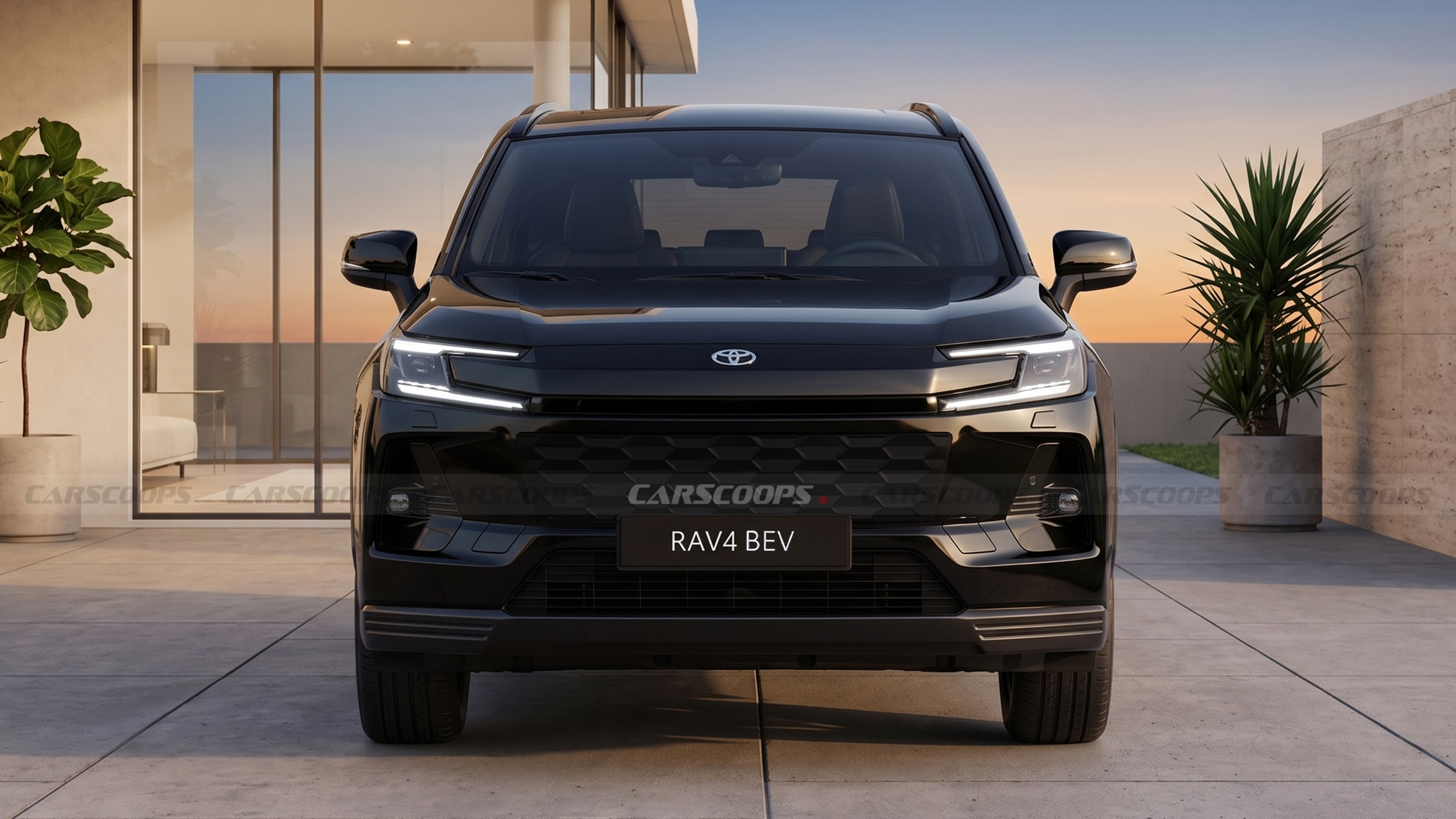










- Toyota has ruled out an all-electric RAV4 in favor of purpose-built EV platforms.
- The RAV4’s hybrid architecture can’t support a battery-electric conversion cleanly.
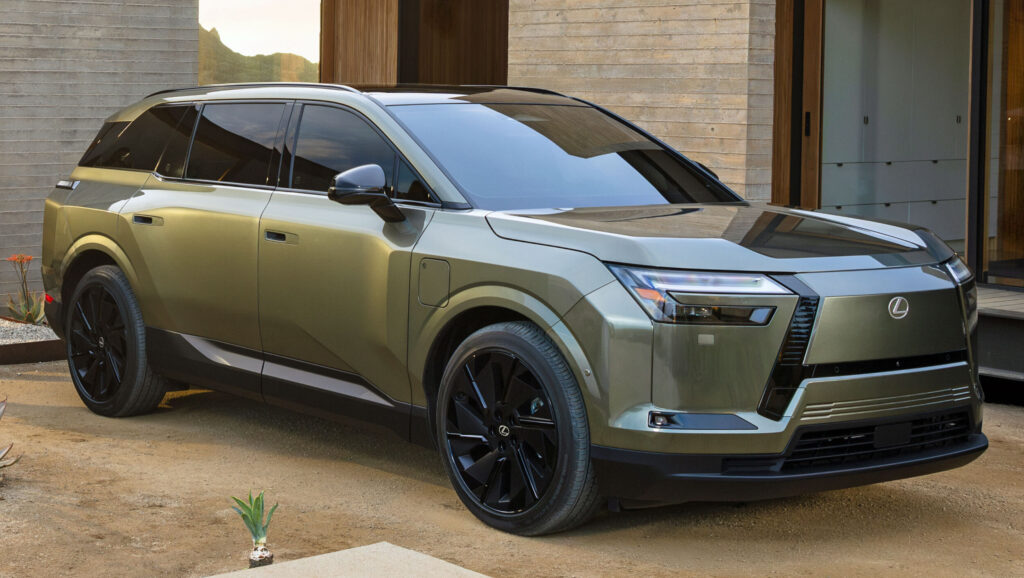
- Instead, Toyota’s bZ lineup, led by the bZ, carries the company’s full EV ambitions.
As the world shifts to electric cars, Toyota has seemingly ruled out an all-electric variant of one of its best-selling SUVs. The move is an indication of a strong course by Toyota, which is opting to invest more in its broader electrification plan rather than turning one of its most successful cars into a battery-powered model.
Review: The 2026 Toyota RAV4 Finally Feels Like The SUV It Was Meant To Be
The report comes despite growing interest in EVs worldwide, particularly in Australia, where the bZ4X has seen a 300% increase in sales.
Toyota Shifts Focus Toward Dedicated EV Platforms
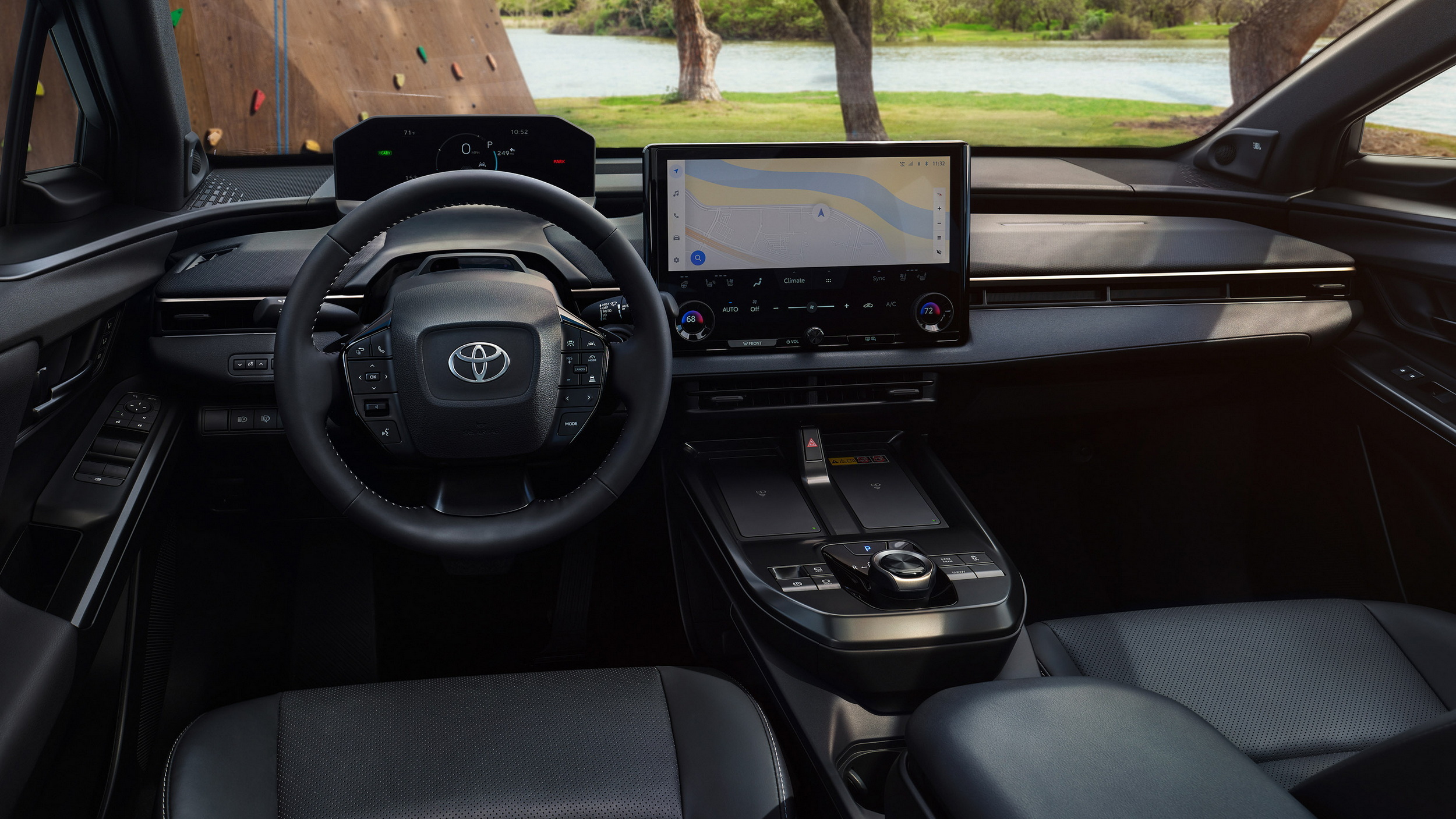
It’s not just the bZ4X that has seen an uptick in numbers. With geopolitical tensions pushing more people towards EVs, Australia, one of many countries hit by rising fuel costs, recorded a record number of new EVs in March, accounting for 14.6 percent of new car sales and representing an 88.9 percent year-on-year increase.
On paper, an EV version of the hot-selling RAV4, which sees 40,000 units shifted in the US each month alone, would seem like a match made in heaven.
But speaking to CarSales, RAV4 chief engineer Yoshinori Futonagane confirmed that we won’t be seeing an all-electric version of his car. Rather, Toyota is concentrating on its purpose-specific electric range under the bZ brand. The models (e.g., the Toyota bZ) are being introduced as core EVs and are designed from the get-go to improve driving range and overall performance.
Designed Without An EV In Mind
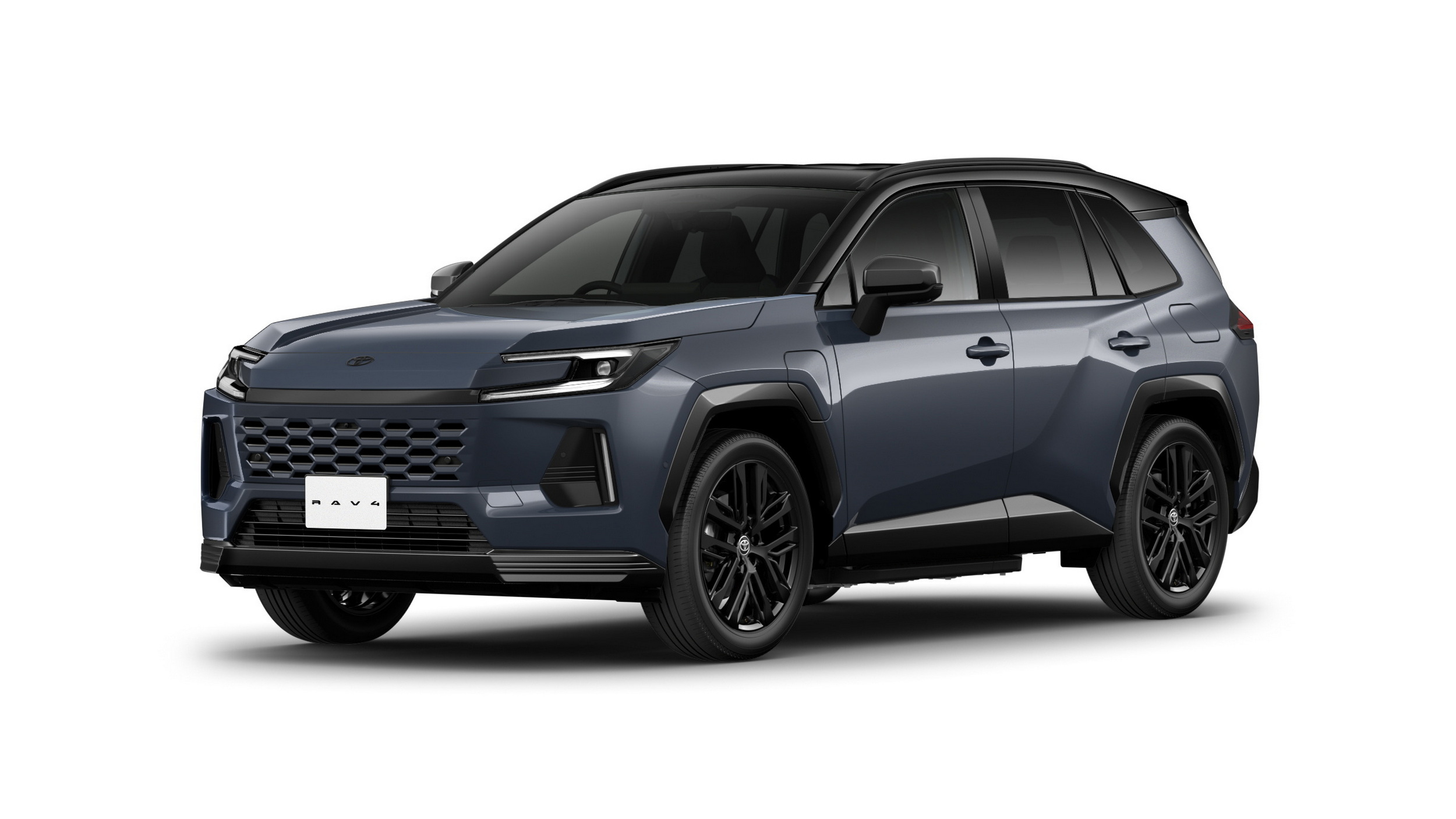
Futonagane went on to explain that simply converting the RAV4 to a full EV will not fit within the company’s existing product roadmap. The RAV4 is based on a hybrid and plug-in hybrid platform, and Toyota’s EVs are built on separate bespoke platforms.
Toyota has opted for multiple pathways in its electrification strategy. The car manufacturer has invested heavily in hybrids, plug-in hybrids, and hydrogen vehicles rather than fully converting to battery-electric cars.
Is Toyota’s strategy the right move, especially against Chinese offerings, such as Jaecoo? Time will tell, but for now, Toyota isn’t in any way rushing to change track.