









- Stellantis has issued two new recalls over engines and electronic stability control.
- Turbocharged 2.0-liter four-cylinder replacement engines could have sand in them.
- Thousands of Ram 2500 trucks could lose electronic stability control due to a fault.
Recalls are starting to pile up at Stellantis as the automaker has issued two new campaigns. This puts them in a three-way tie with GM and Toyota for having 11 recalls this year.
Kicking things off is an engine recall that involves 2,689 turbocharged 2.0-liter four-cylinders that were designed for use in the Jeep Grand Cherokee and Wrangler 4xe plug-in hybrids. These are Mopar replacement engines, which could have internal debris that can result in failure.
More: Stellantis Quietly Kills Its Plug-In Hybrids In America
The safety recall report says the engines might be contaminated with sand from the casting process. It follows an earlier recall of 112,859 vehicles for the same problem.
Following that initial recall, a 2024 Jeep Grand Cherokee 4xe experienced an engine compartment fire. That model wasn’t involved in the earlier campaign, but had an engine manufactured during the suspect window. This kicked off an investigation, which ultimately resulted in the initial recall being expanded.
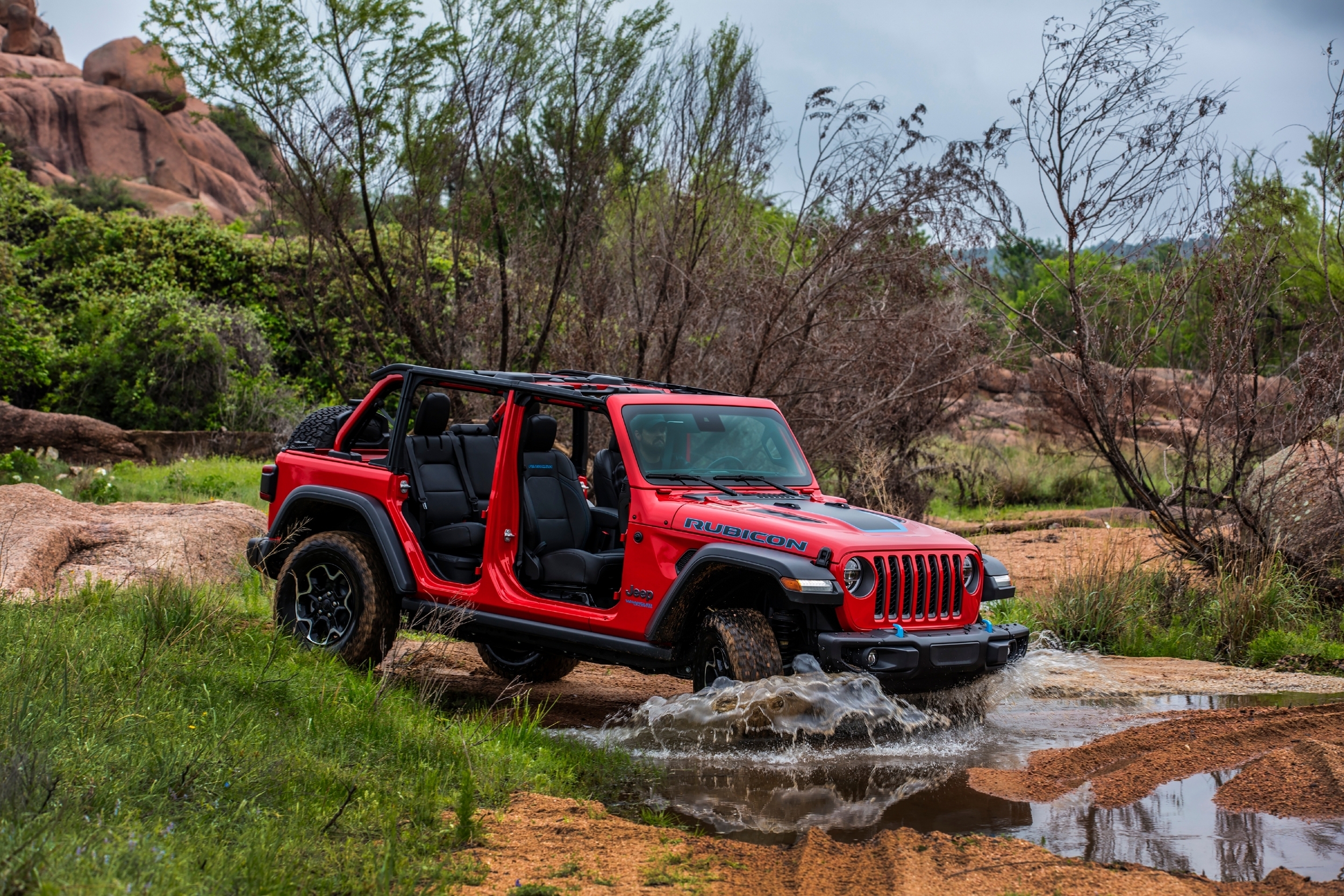
4.3% of the engines in the latest recall are believed to have sand contamination, but the automaker isn’t aware of any accidents or fires at the moment. To address the issue, dealers will inspect and replace the engine as necessary. Engines not installed in vehicles will be inspected and, if necessary, repurchased.
Ram 2500s Can Lose Electronic Stability Control
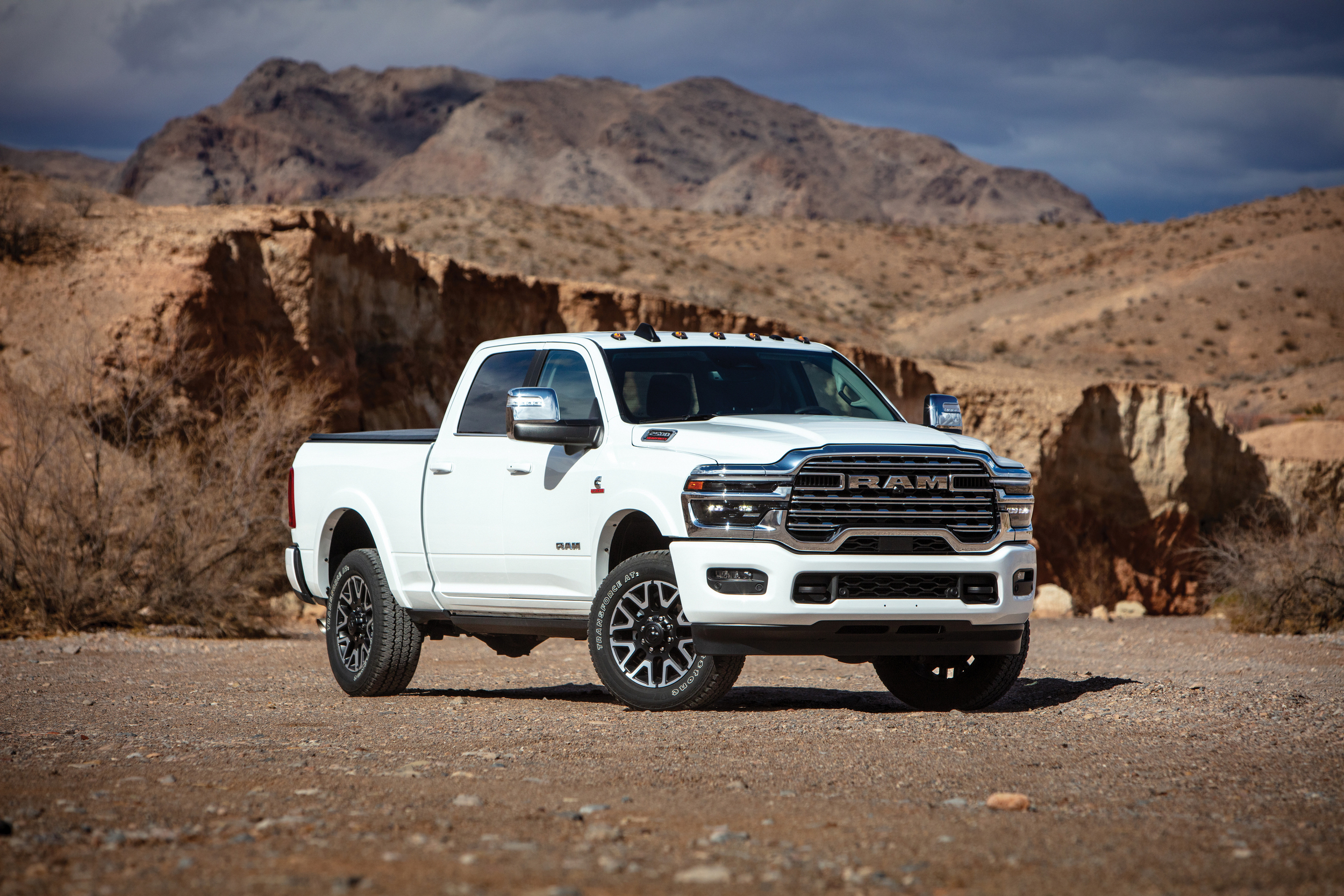
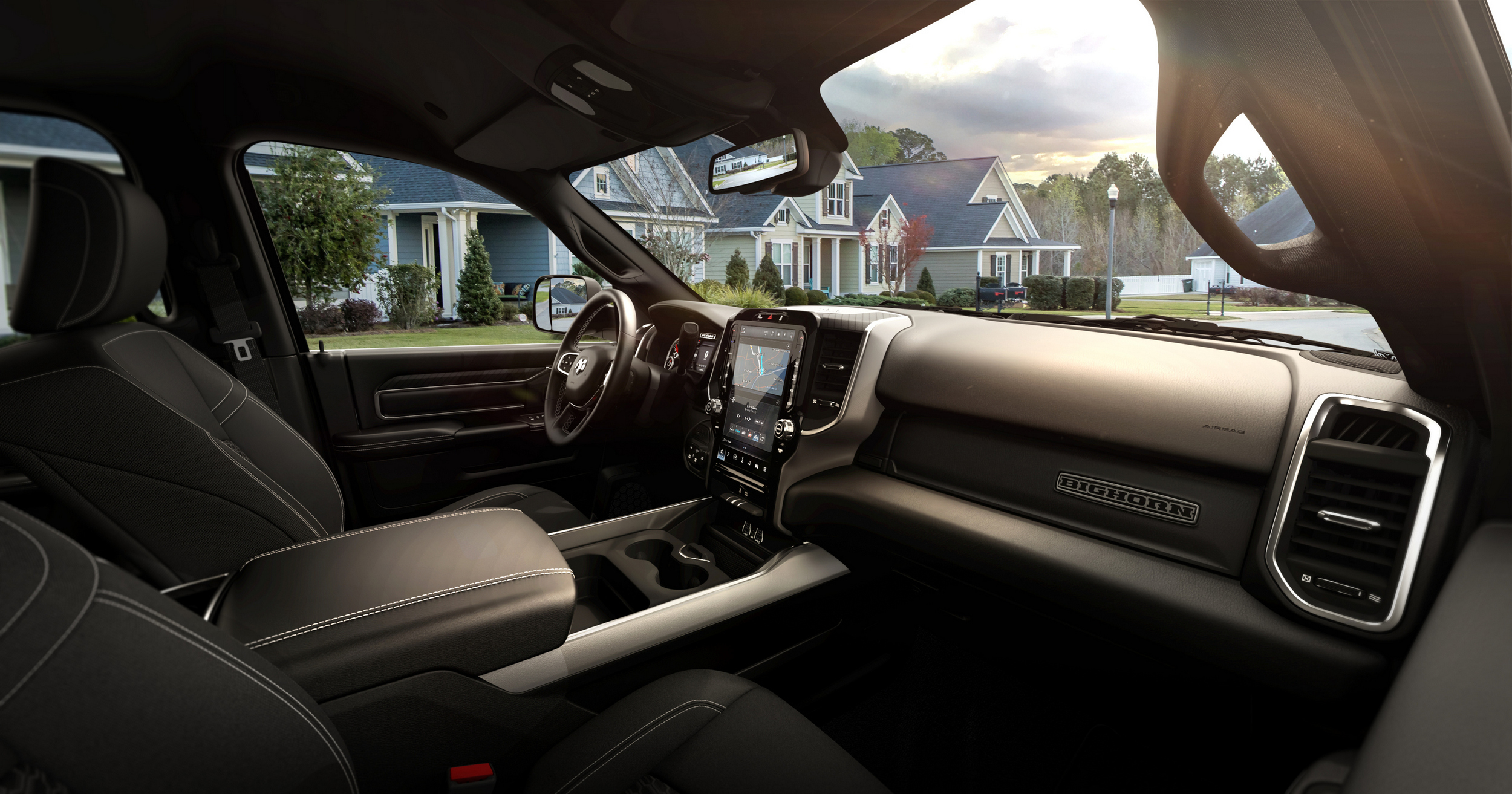
The second recall involves 6,605 Ram 2500 pickups from the 2026 model year. They’re equipped with steering column control modules that can cause a loss of electronic stability control.
Little is known about the issue, but Stellantis opened an investigation in January and it eventually determined that the steering column control modules can experience an internal fault, which can disable electronic stability control. This means they run afoul of federal motor vehicle safety standards.
Thankfully, only 0.5% of the recall population is believed to have the defect. This equates to approximately 33 vehicles and dealers will replace the steering column control module to address the problem.