


- Hyundai unveils Pleos Connect infotainment with AI and app ecosystem.
- New system blends configurable touchscreens with real physical controls.
- Korea’s Grandeur gets it first, followed by the Ioniq 3 EV headed for Europe.
Hyundai is reinventing its in-car tech with its new Pleos Connect system, and this time it’s aiming to make your dashboard feel a lot more like your phone, just hopefully less distracting.
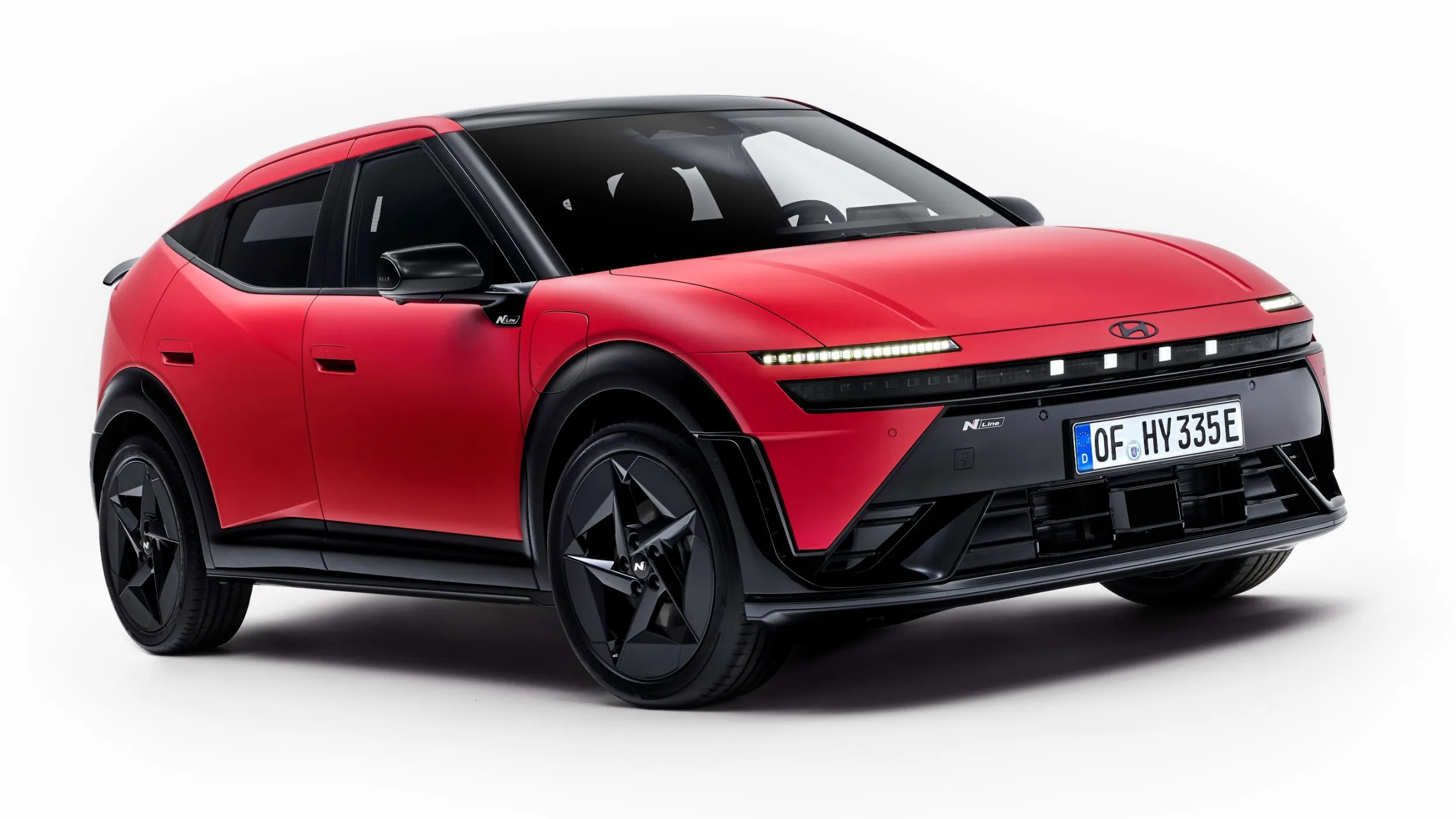
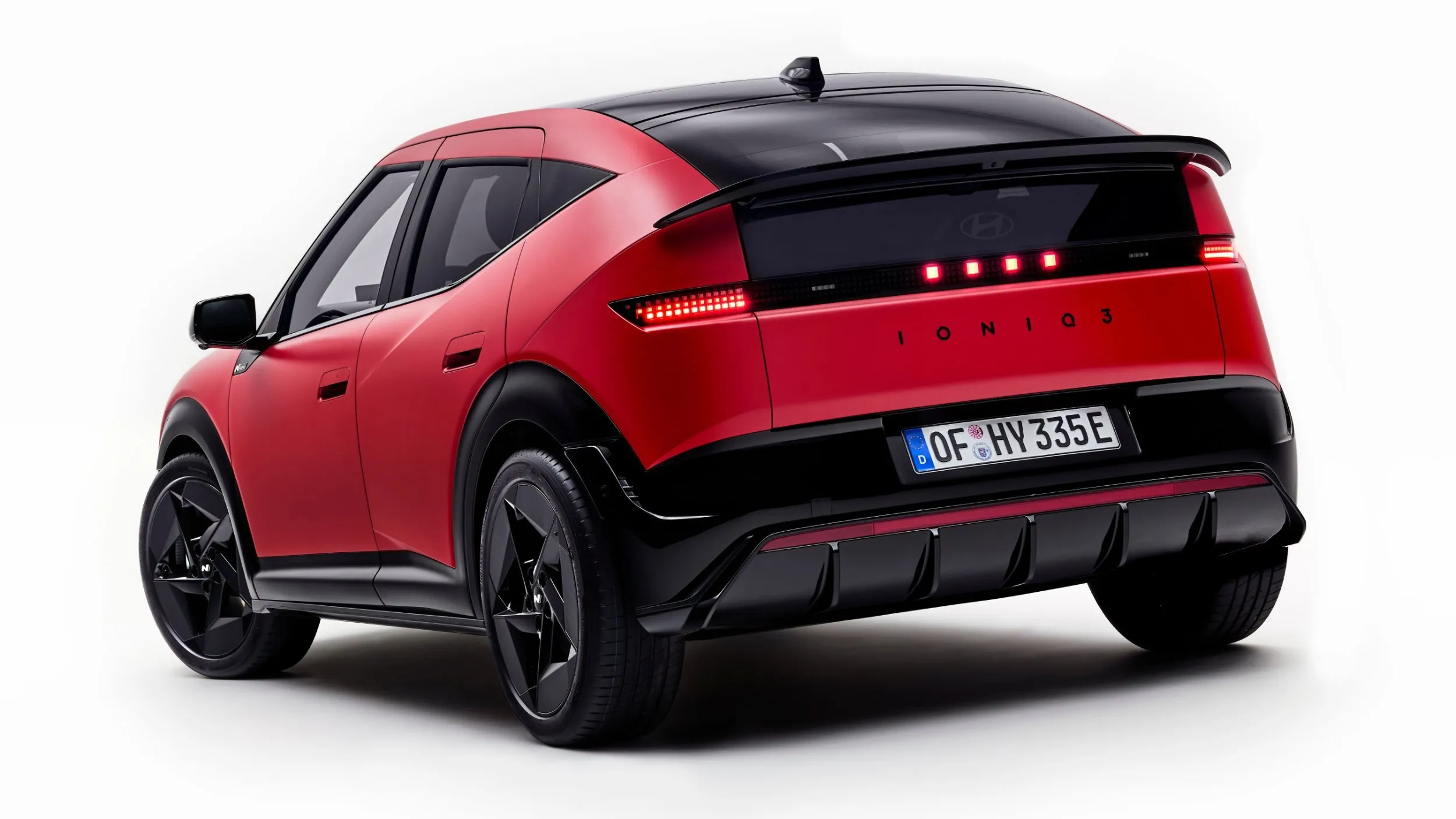
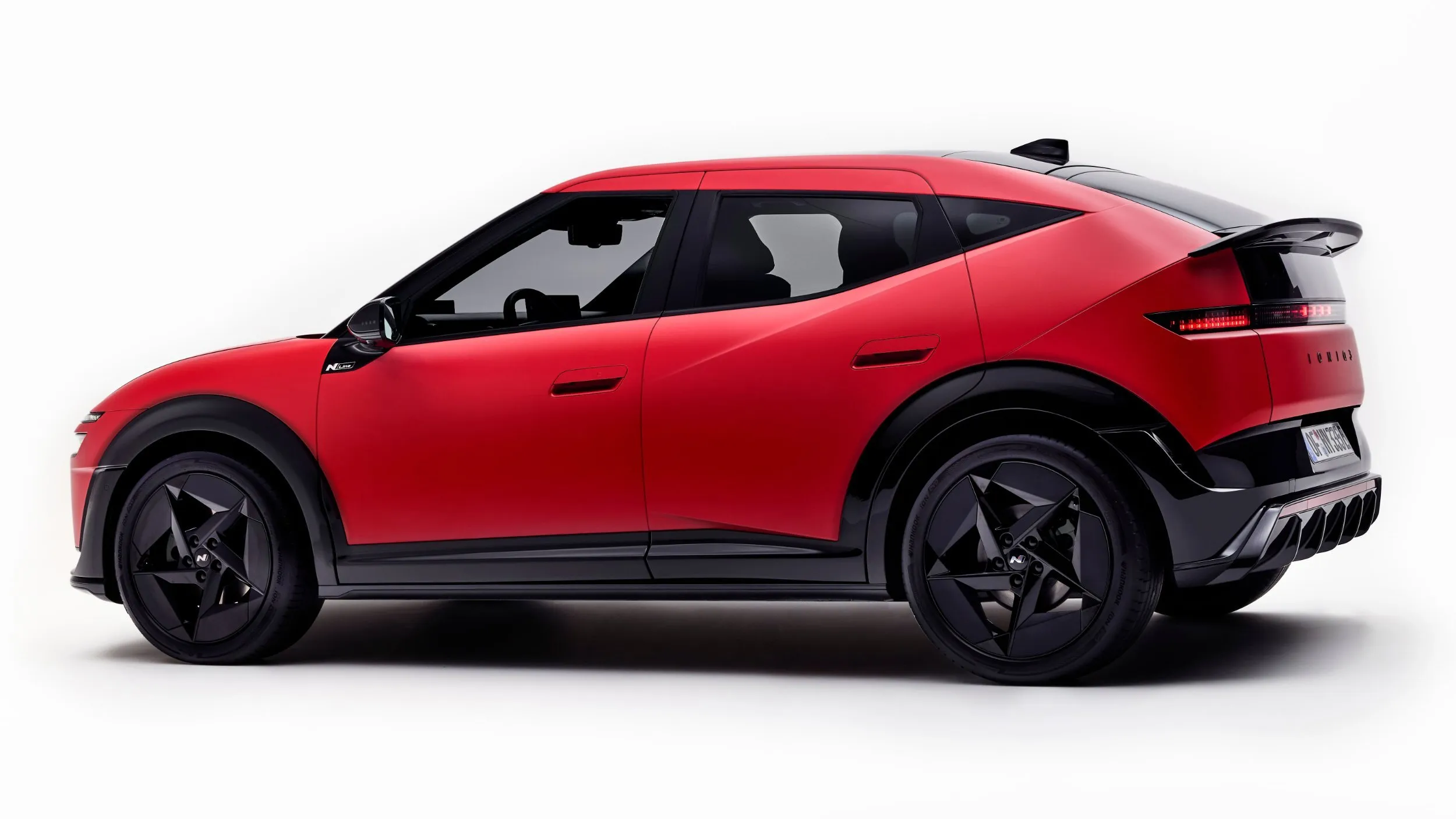
Developed by Hyundai Motor Group, Pleos Connect is the brand’s next-generation infotainment platform and a key step toward software-defined vehicles. It’ll debut first in Korea on the Grandeur, before heading to Europe in the upcoming Hyundai Ioniq 3 electric hatch.
Related: Kia’s Fixing What Drivers Hate Most About Modern Car Interiors
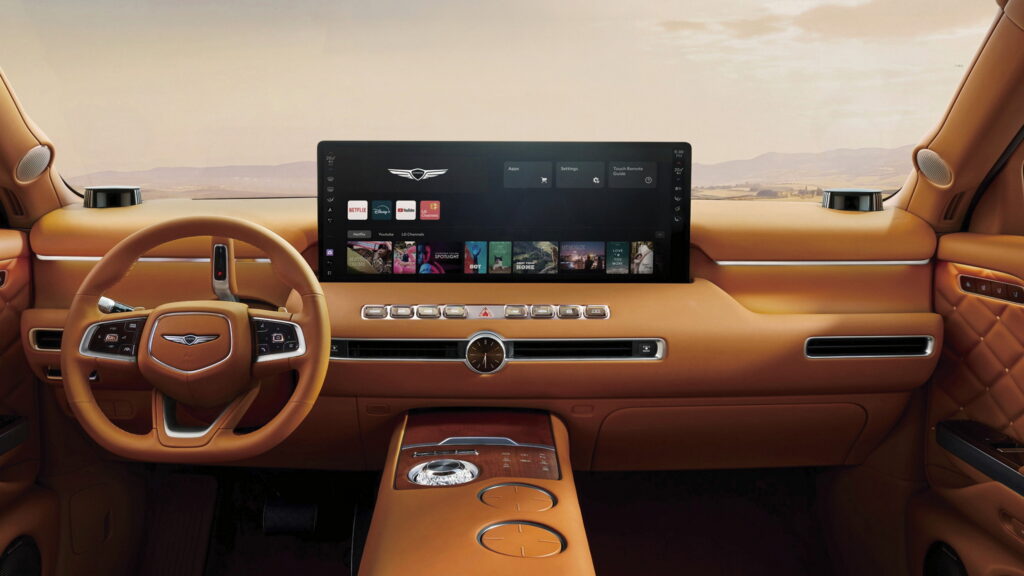
With its unimaginative tablet format, it looks like a straight Tesla knockoff at first glance, and even the layout should feel familiar, though with a few twists. There’s a large central touchscreen split into sections for driving data, apps, and shortcuts, plus a slim second display positioned in front of the driver for key info like speed and directions.
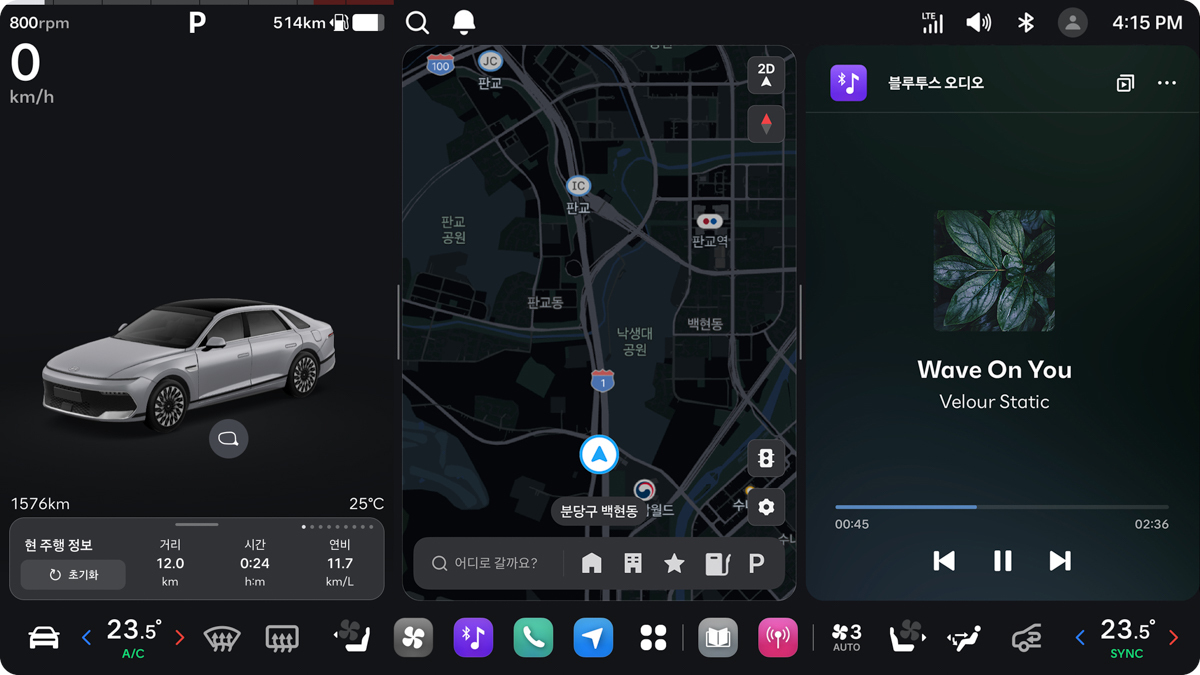
Importantly, Hyundai hasn’t ditched physical controls entirely. Buttons on the steering wheel and below the main screen handle key functions like climate and volume, which should help reduce the need to poke around menus while driving. VW is making a similar shift with its new cars, having faced backlash over ditching proddable keys. There’s also a three-finger gesture you can do to rearrange or close apps quickly.
But hopefully you won’t have to do much touching or swiping at all, because at the heart of the system sits the Gleo AI voice assistant. It can understand conversational commands, handle multiple requests at once, and even figure out vague instructions like “navigate there” based on context. It also supports things like adjusting cabin settings for the person speaking without them having said where they’re sitting, and searching for information online.
Navigation Overhaul
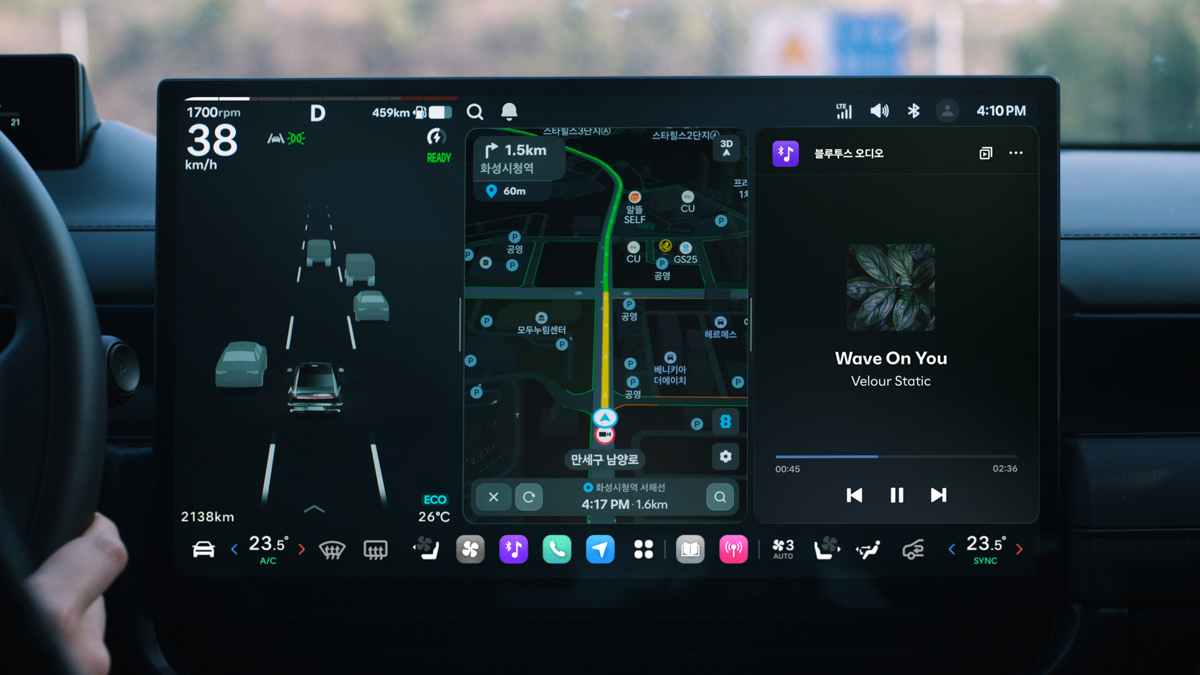
Navigation itself has also been rebooted. It now uses live data from other vehicles to provide real-time routing, while a modular interface lets drivers run maps alongside other apps. Important details like route and arrival time appear as floating cards, which should be easier to read at a glance.
Then there’s the app side of things. Pleos Connect introduces an open App Market where users can download services like music streaming, video, and web browsing without relying on their phone. Hyundai says this ecosystem will expand over time, with more entertainment and vehicle-related apps on the way.
Also: The $26K Flagship Hyundai Sedan Americans Called The Azera Got A Genesis-Worthy Interior
The bigger picture is clear. Hyundai wants to turn its cars into rolling software platforms, with regular updates and new features arriving over the air. The company plans to roll Pleos Connect out to around 20 million vehicles across its brands by 2030, so Genesis and Kia models will get it too.
There’s only one problem with it that we can see, and it’s that name. Because it sounds awkwardly like “please connect!” something most of us have yelled at one time or another when trying to hook our phones up to infotainment systems when those systems just don’t want to know.