










- Giant screens stay, but real switches return for key in-cabin functions.
- The steering wheel scroll wheel is replacing haptic slide controls again.
- Executives admit the brand knew about the complaints two years ago.
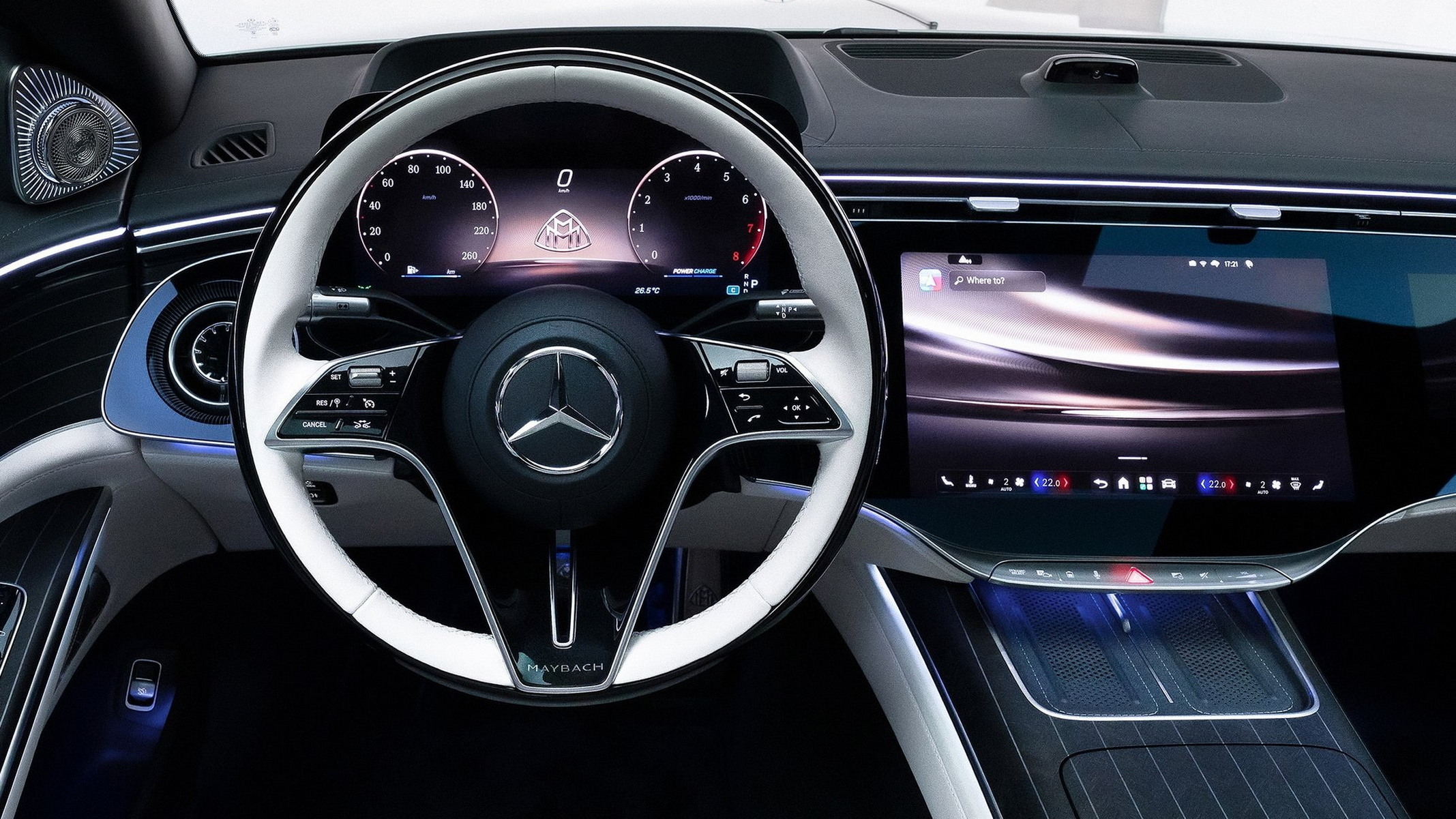
Over the last decade, it’s been easy to see a shift away from buttons and toward iPad-sized screens in cars. In fact, plenty of brands, Mercedes included, boast about how many inches of screen they offer in certain models.
While giant screens are objectively eye-catching, physical buttons clearly have some advantages. Now, Mercedes is doubling down on the screens but admitting that last part too. Buttons will soon return to the brand’s interior design, but the screens are staying, like it or not.
More: Hyundai’s Design Boss Embraces Analog Controls
“When we do car research clinics, customers are very clear: ‘We love the big screens, but we want to have [hard controls for] specific functionalities.’” Those are the words of Mercedes executive Mathias Geisen to Autocar in a new interview. He fully admits that the brand has actually known about this for some two years.
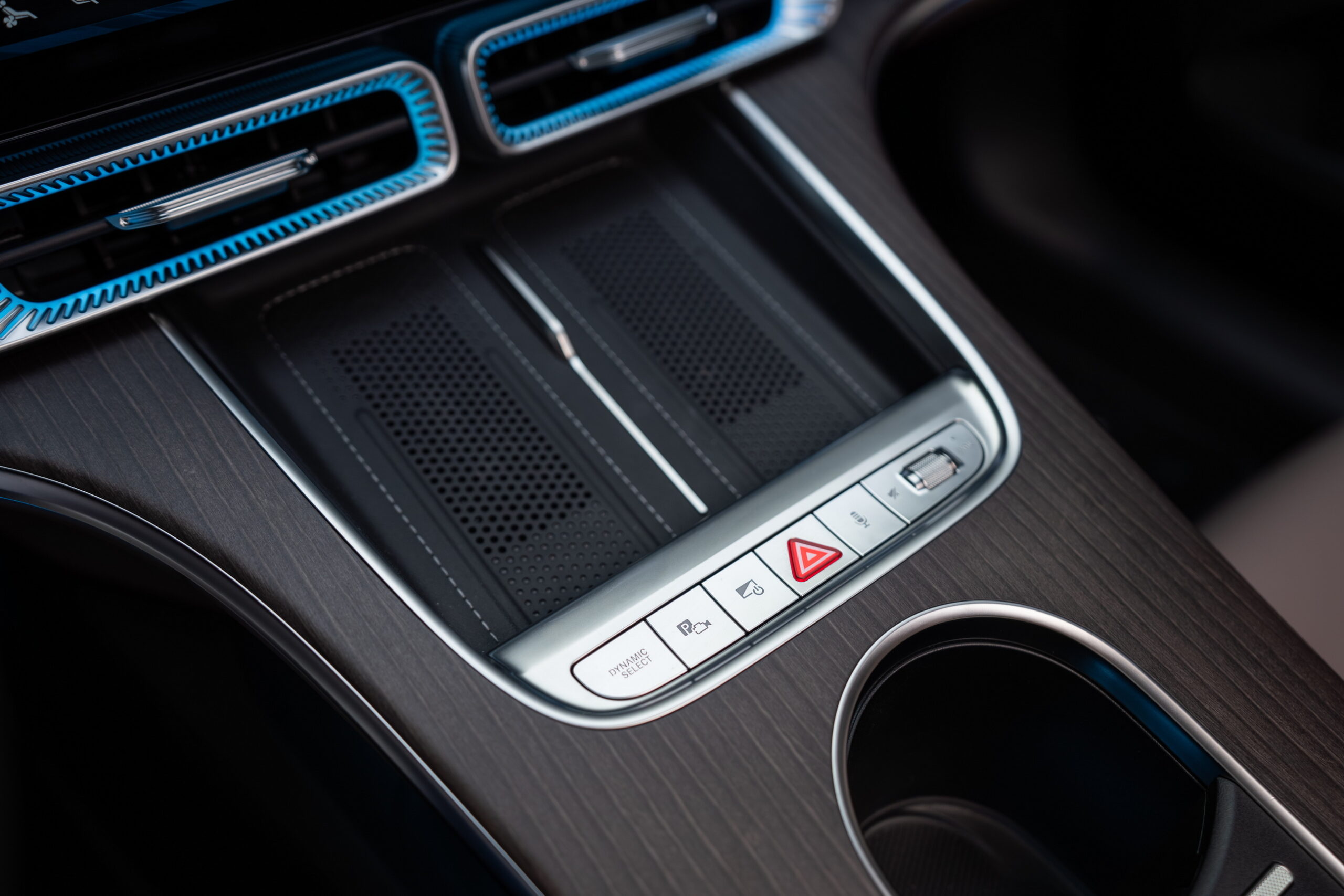
He says, “Customers told us two years ago, ‘guys, nice idea, but it just doesn’t work for us’, so we changed that and made it more analogue.” Specifically, he’s talking about the reintroduction of things like a physical scroll wheel as opposed to haptic-feedback slide controls on the steering wheel. Importantly, the changes are going to expand way beyond just the wheel.
“In our future products, you will see more hard keys for specific functions that customers want to have direct access for with hard keys. When we do car research clinics, customers are very clear: ‘We love the big screens, but we want to have [hard controls for] specific functionalities,'” he said. That said, the brand isn’t going to pull away from the big screens it’s now so well known for.
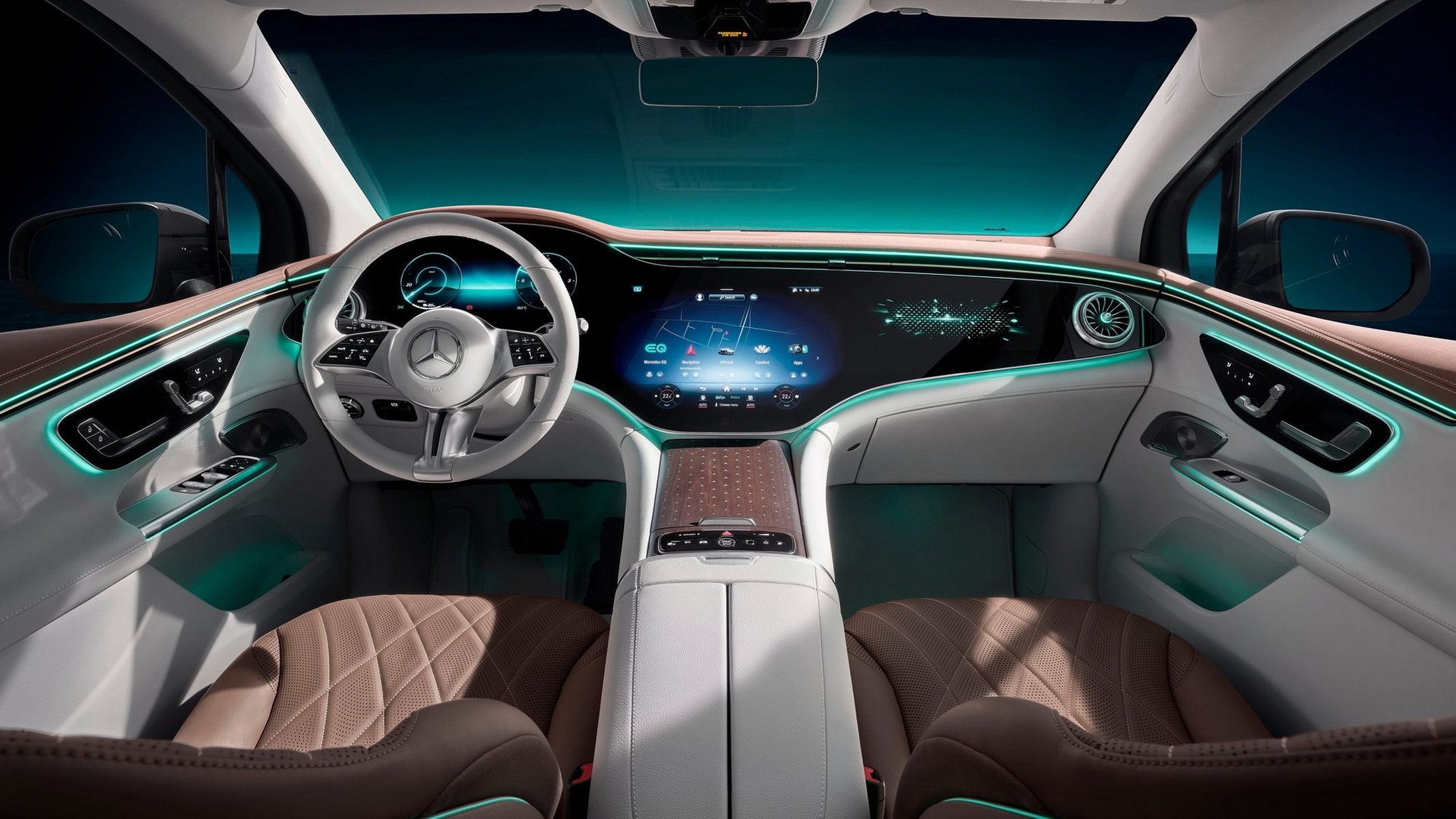
Geisen highlights how flexible the screens are, saying that families can customize them with photos of children, for example. He likened this approach to smartphones, arguing that while the hardware remains familiar, the real differentiation happens behind the screen through software and personalization. No doubt, customization is a key piece of automotive culture. That said, satisfying switchgear is too.
Look around the super-luxury brands, and physical buttons and switches are ubiquitous. Even mainstream buyers seem to clearly prefer some hard controls over having to use a touchscreen or haptic switch. Now, for at least the foreseeable future, those types of controls will be a major part of Mercedes’ interior design.