


- Ontario banned the speed cameras shortly after the new processing center opened.
- Internal documents show the city may have paid millions above its own appraisal.
- The city insists the building can still serve other municipal functions going forward.
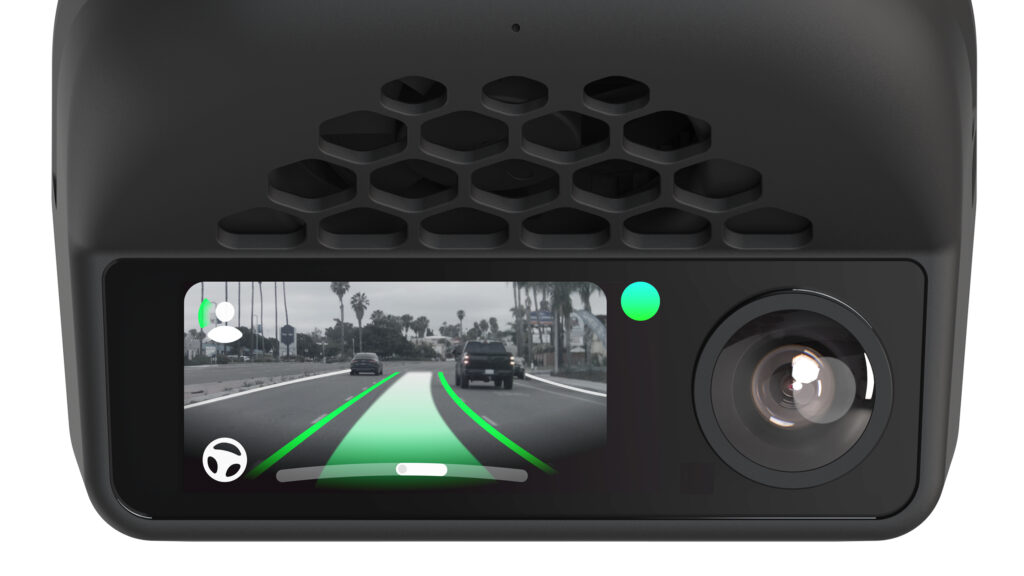
Years ago, the city of Brampton, Ontario, Canada, spent over CA$75 million or roughly US$55 million at current rates on a new facility to help manage speed cameras and process the tickets they write. There’s just one big problem: the province recently banned those same cameras. Now, not only does the city have a facility without a purpose, but it’s asking for another CA$27 million (US$20 million) for additional road safety measures.
That facility wasn’t some side project. It was built to support a massive expansion of Brampton’s automated speed enforcement program. The city scaled from about 50 cameras to 185, mainly in school zones, aiming to slow drivers and handle a surge of tickets in-house.
Read: Ontario Bans Speed Cameras And Pays For Bumps Instead
According to Insauga, the numbers suggest that it worked. Speeds dropped by an average of over 9 km/h (5.8 mph), with some areas seeing reductions exceeding 25 km/h (15.5 mph). But critics, including Doug Ford, argued the system was more about revenue than safety. The province ultimately agreed, moving to ban speed cameras just as Brampton’s new processing center came online.

Adding to the controversy, the city paid CA$77.9 million (US$57 million) for the property, well above one internal valuation, and far more than the CA$32.5 million (US$24 million ) it sold for just three years earlier. Now, with cameras sidelined, Brampton is pivoting toward speed bumps, new signage, and other costly alternatives.
In the past, we’ve covered how speed limits themselves aren’t the most effective way to control actual speed. Road design plays a much larger role than a number on a sign, regardless of how big it is. Who knows? Perhaps the creative ideas on the table will be more successful than they sound. As for the multi-million dollar building? Officials have an idea on that front as well.
Brampton South MPP Hardeep Grewal had some harsh words for those concerned about the costs of the building. After saying it’s now a real estate asset, he told the Brampton Guardian, “cover these costs by insisting that speed camera operators do so or by making use of the tens of millions of dollars that you have taken from hard-working people through these speed camera programs over the last several years.”
To its credit, the city is already pivoting. Officials say the building can support other municipal functions like IT services, recreation, and fleet storage. That said, none of this looks like a very well-organized situation. Hopefully other cities and states in North America can learn from this lesson rather than having to go through it themselves.
Lead image Flock Safety