









- North Carolina has sued VinFast over its planned US plant.
- State invested millions, but the project has been stalled for years.
- Attorney General aims to take back site for someone else to use.
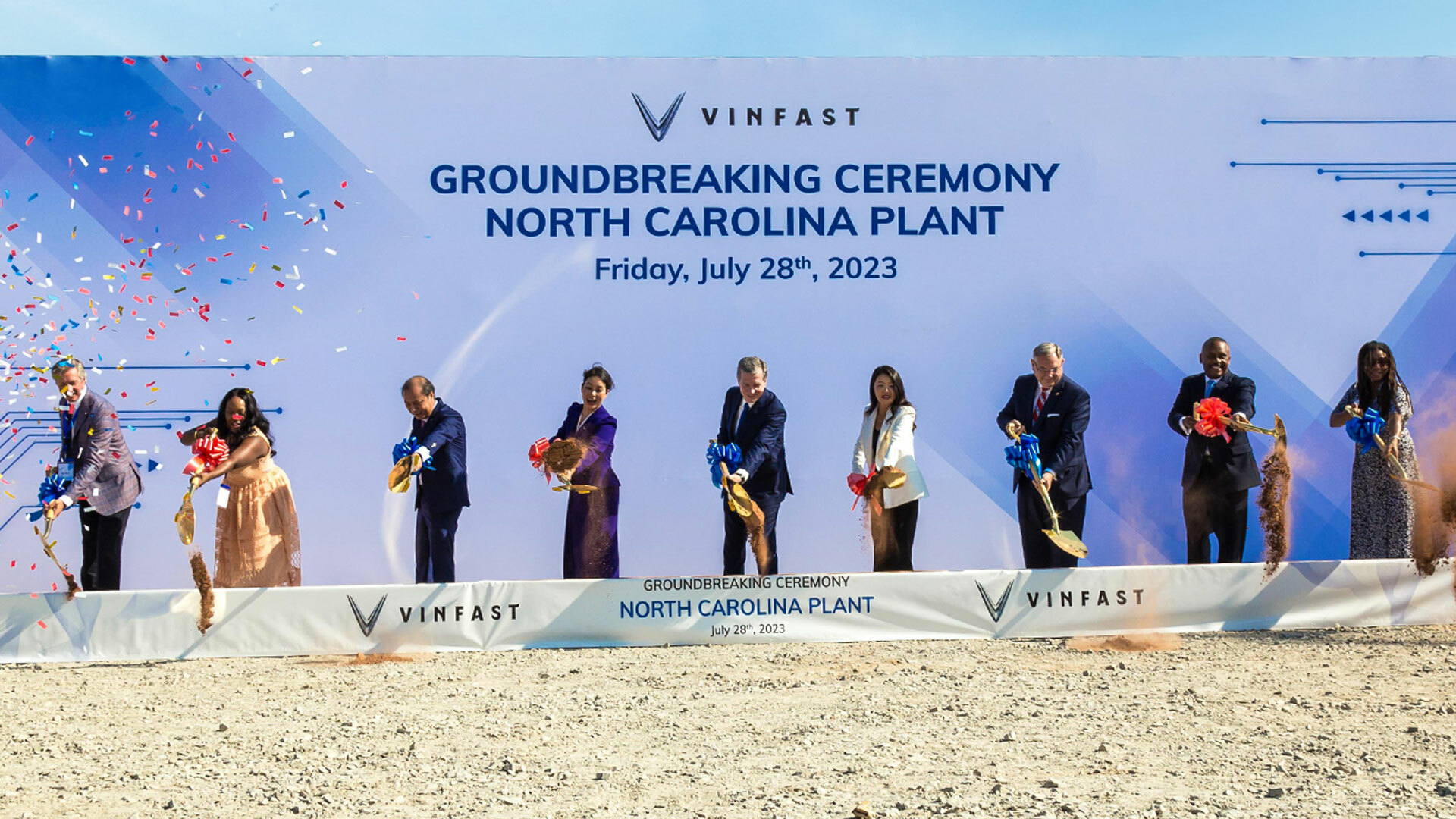
Four years ago, VinFast announced plans to build a new production facility in North Carolina that would start making vehicles in 2024. A symbolic groundbreaking ceremony was held in 2023 and the plant was heralded as the first electric vehicle manufacturing facility in the state as well as its “largest economic development initiative.”
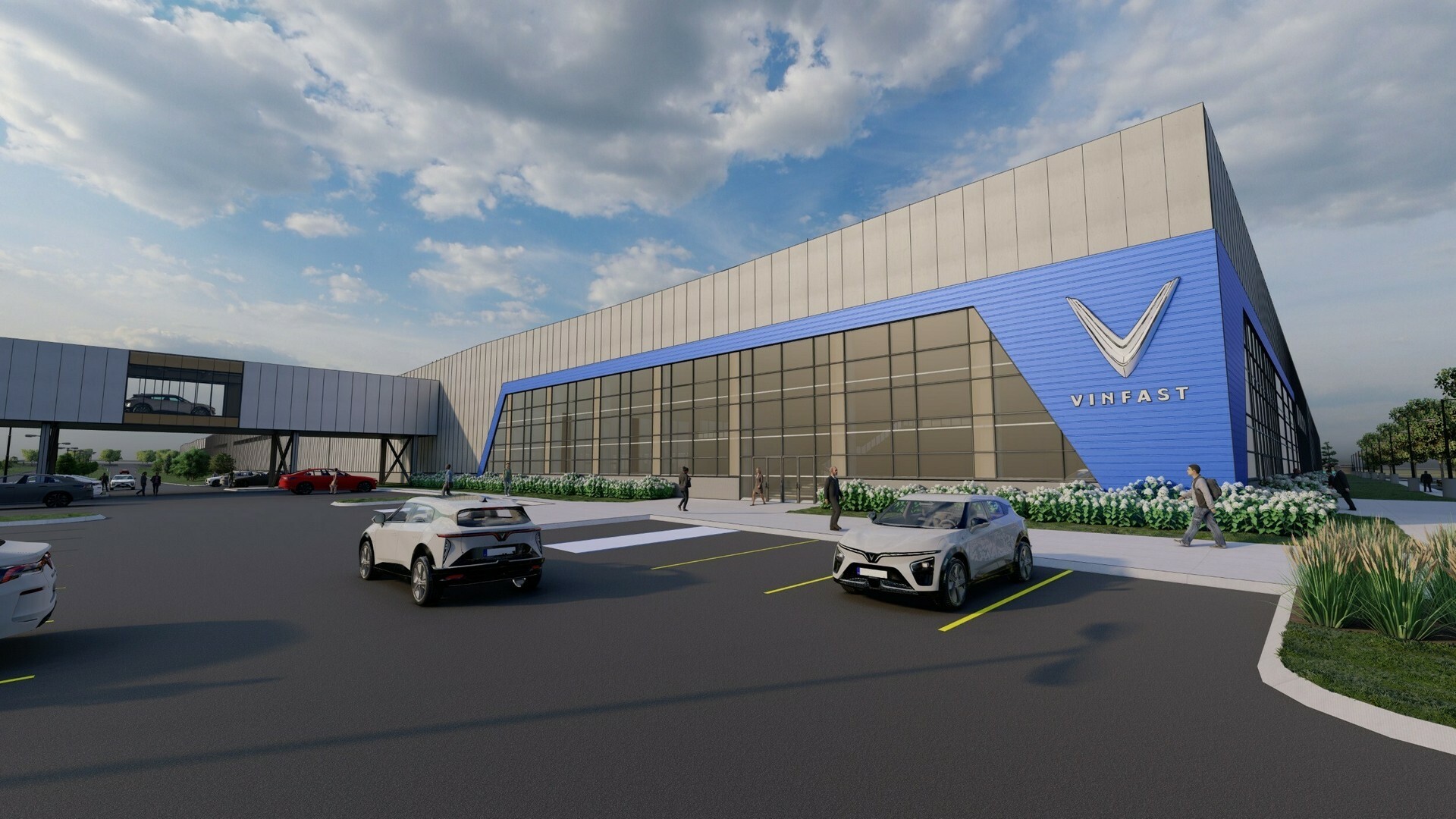
Local leaders were optimistic as the first phase of the development called for an investment of up to $2 billion. This would have built a massive 1,800 acre complex that would be broken up into five main production areas including a body shop, a general assembly area, a press shop, a paint shop, and an energy center.
More: VinFast’s Second-Gen VF 8 Is Smaller, Slower, And Cheaper
The plant was supposed to build the VF 7, VF 8, and VF 9, and have an annual production capacity of 150,000 units. Production had slipped to 2025 at that point but, by July of 2024, VinFast hit pause following a disastrous US launch. At the time, they suggested production would begin in 2028, although the plant would be smaller than originally anticipated.
While that’s just a brief overview of events, North Carolina has had enough. Attorney General Jeff Jackson sued the Vietnamese automaker over allegations the company “breached its agreements with the state for the development of an electric vehicle and battery manufacturing facility in Chatham County.”
It’s not hard to understand why the Tar Heel state is miffed as VinFast was award a Job Development Investment Grant to build the plant and the North Carolina General Assembly appropriated $450 million to support “site preparation, transportation improvements, and water and sewer infrastructure associated with the project.”
The AG’s office noted VinFast cleared and graded the site in 2023, but has since “failed to meet key obligations and performance requirements” as promised in agreements with the state. These were designed to protect taxpayer money and would require the automaker to repay “certain site preparation funds if specified benchmarks were not met.” More importantly, the agreement “granted the state the right to acquire the project site if the company failed to satisfy key performance requirements.”
VinFast is nowhere close to achieving what they promised as the agreement reportedly called for the facility to be operational by July 2026 and create 1,750 jobs by the end of the year. The North Carolina Department of Justice notified VinFast they had defaulted on their agreement in January and they intended to acquire the site.
VinFast protested and claimed they met construction deadlines and would open the facility in 2028. However, the lawsuit ultimately aims to acquire the property, so it can be used by someone who will actually build a facility on the site and create jobs.
In a statement, Attorney General Jackson said “VinFast agreed to build a factory and create jobs for North Carolinians – it didn’t do either.” He added, “When North Carolina makes a deal, we build in protection for taxpayers. VinFast broke the deal, so we’re using that protection to find a project for this site that will create jobs.”
While the plant has been delayed for years, VinFast apparently tried to blame the recent elimination of the clean vehicle tax credit for stalling progress. According to a statement obtained by Bloomberg, the company said “Recent changes in US policies related to the EV industry have impacted the project timeline, requiring additional time for us to evaluate appropriate implementation conditions.”