










- Connecticut lawmakers are questioning Home Depot and Lowe’s over license plate reader use.
- The retailers say the cameras help fight theft, fraud, and improve store security.
- Lawmakers want to know who can access the data and whether it’s shared with police.
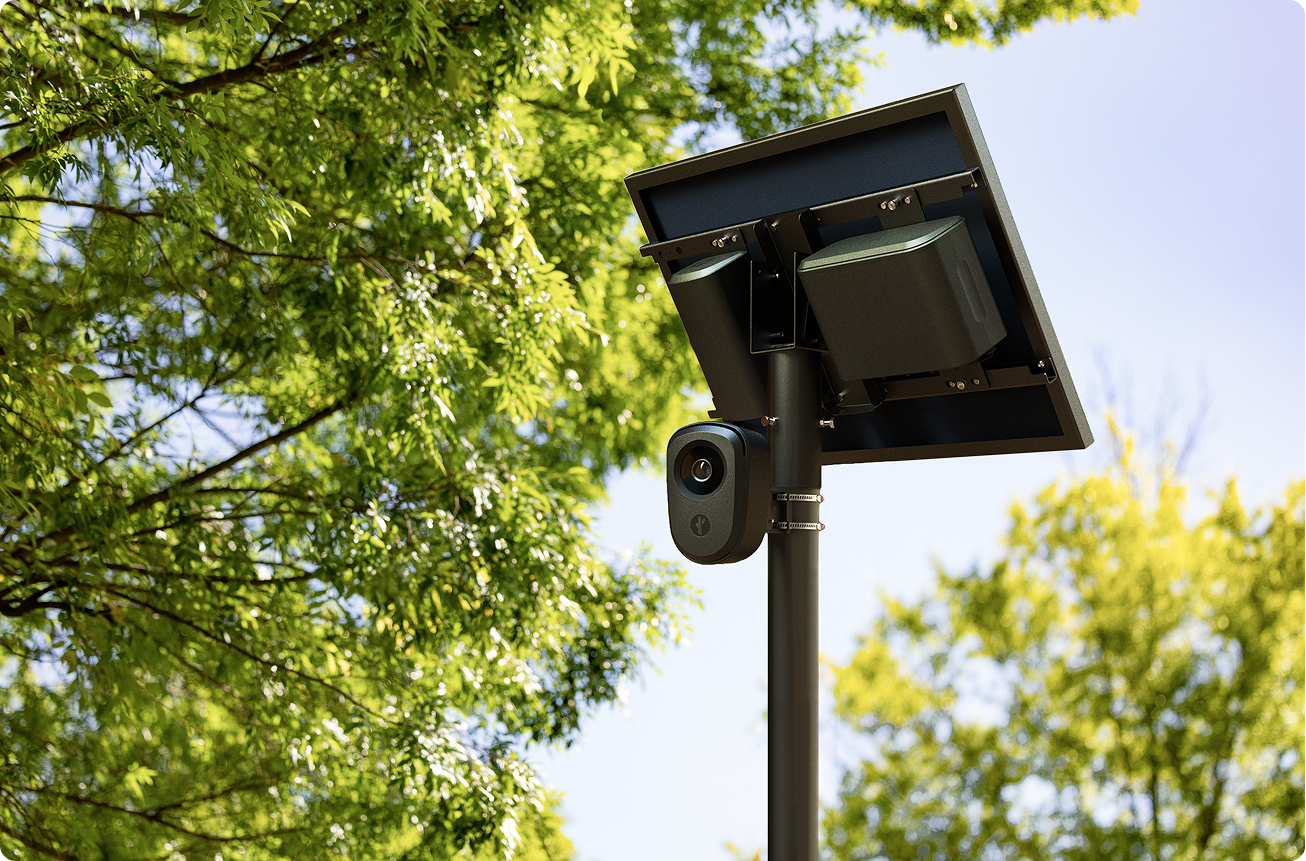
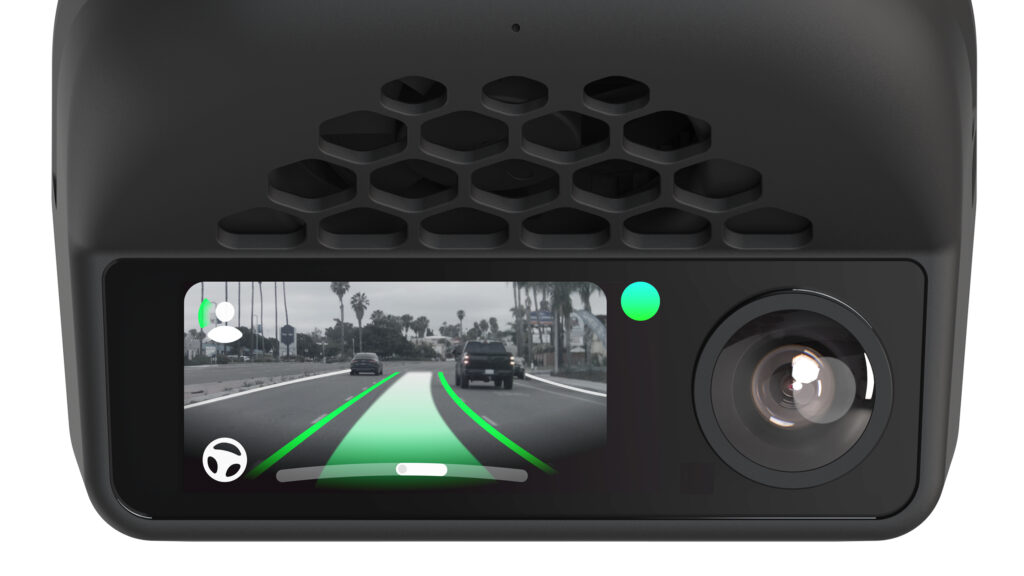
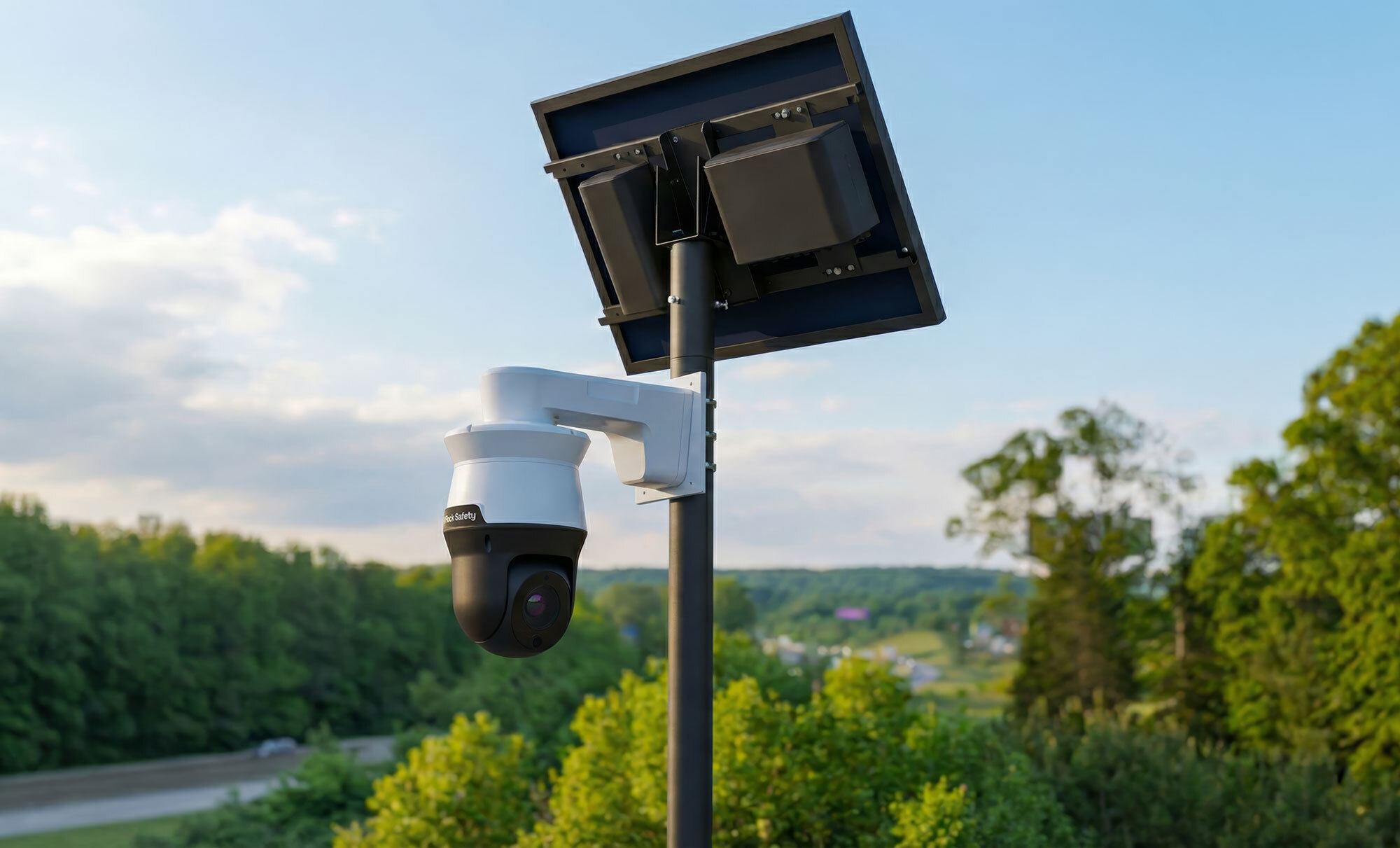
Pull into the parking lot of a Lowe’s or Home Depot across the USA, and there’s a good chance that someone inside will see you coming before you turn off your vehicle. Both companies are now heavily employing the use of automatic license plate readers like those from Flock Safety. These are the same camera systems that have citizens concerned about a surveillance state, but now there’s a twist. Private businesses don’t have the same safeguards that state organizations do, and lawmakers in Connecticut want answers.
Democratic leaders in Connecticut’s Senate and House have sent letters to the CEOs of both retailers demanding details about their use of automatic license plate readers, or ALPRs. The concern isn’t just that the cameras exist, but how long the information is stored, who can access it, and whether it’s ultimately ending up in the hands of law enforcement agencies across the country.
Eight Questions For The Retailers
According to local outlet WFSB, lawmakers sent the companies a list of eight questions covering everything from data retention policies to whether police need a warrant before obtaining plate information.
Read: Flock Traffic Cameras Track Everything, Except The Cops Misusing Them
Both retailers say the technology is primarily used for theft prevention, fraud detection, and general security purposes. That explanation probably won’t surprise anyone. Retail theft has become a massive focus for big-box chains over the last several years, and companies have increasingly leaned on surveillance technology to identify repeat offenders, organized retail crime groups, and suspicious activity in parking lots.
Who Gets To See The Data
One of the biggest sticking points centers around law enforcement access. Lowe’s reportedly states on its website that it can provide collected data to police upon request. Home Depot has a similar policy. Connecticut legislators now want clarification on whether those requests require signed judicial warrants and whether out-of-state agencies can tap into the databases.
Earlier this year, Connecticut passed legislation limiting how police departments can share ALPR data with agencies outside the state. Under that law, departments in most states can’t access Connecticut ALPR databases without a warrant, though neighboring Rhode Island, New York, and Massachusetts are exempt.
At this point, there’s no indication of whether or not either Lowe’s or Home Depot will provide answers to the questions in this case. Meanwhile, customers drive in often without knowing that their arrival and departure could be tracked and stored for who knows how long.