


- Drivers traveled farther completing infotainment tasks than in 2022.
- Interface design mattered more than physical or digital controls alone.
- The study raised useful questions, despite limitations in its methodology.
Modern vehicles are packed with larger screens, faster processors, and supposedly smarter interfaces. Yet according to a new Swedish test, completing everyday tasks behind the wheel is actually taking drivers longer than it did just four years ago. If the findings are representative, it’s a bit of a black mark on infotainment UX designers. That said, some of the methodology here is worth considering.
More: US Drivers May Get Physical Buttons Back Without Congress Lifting A Finger
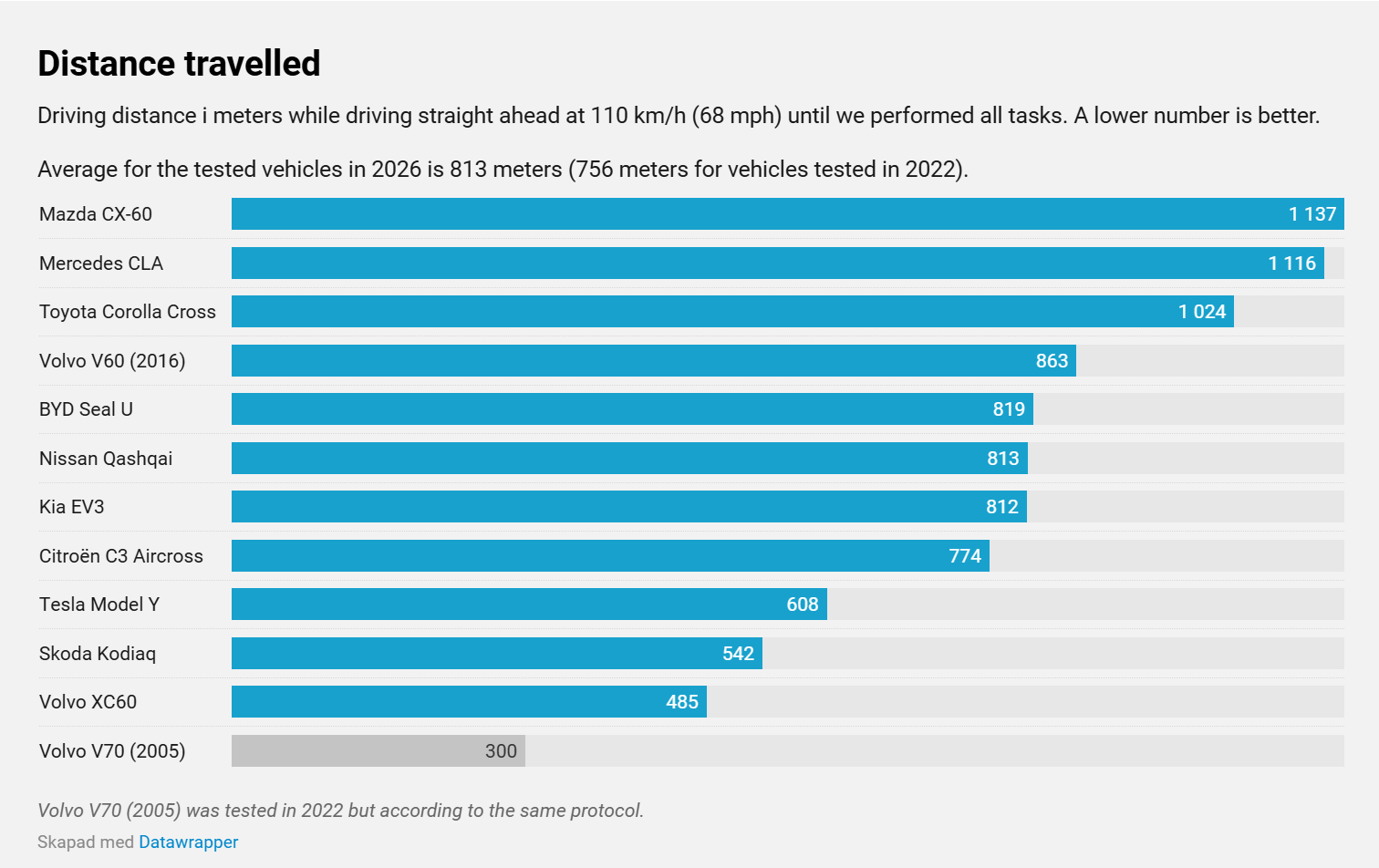
Swedish publication Vi Bilägare reran a driver-distraction test it first staged in 2022, measuring how long drivers took to work through a set of common tasks while holding 68 mph (110 km/h) on a closed airfield. On average, they covered 813 meters (2,667 feet) before wrapping up, up from 756 meters (2,480 feet) four years earlier. That works out to roughly two extra seconds with at least part of the driver’s focus pulled from the road.
How They Ran The Test
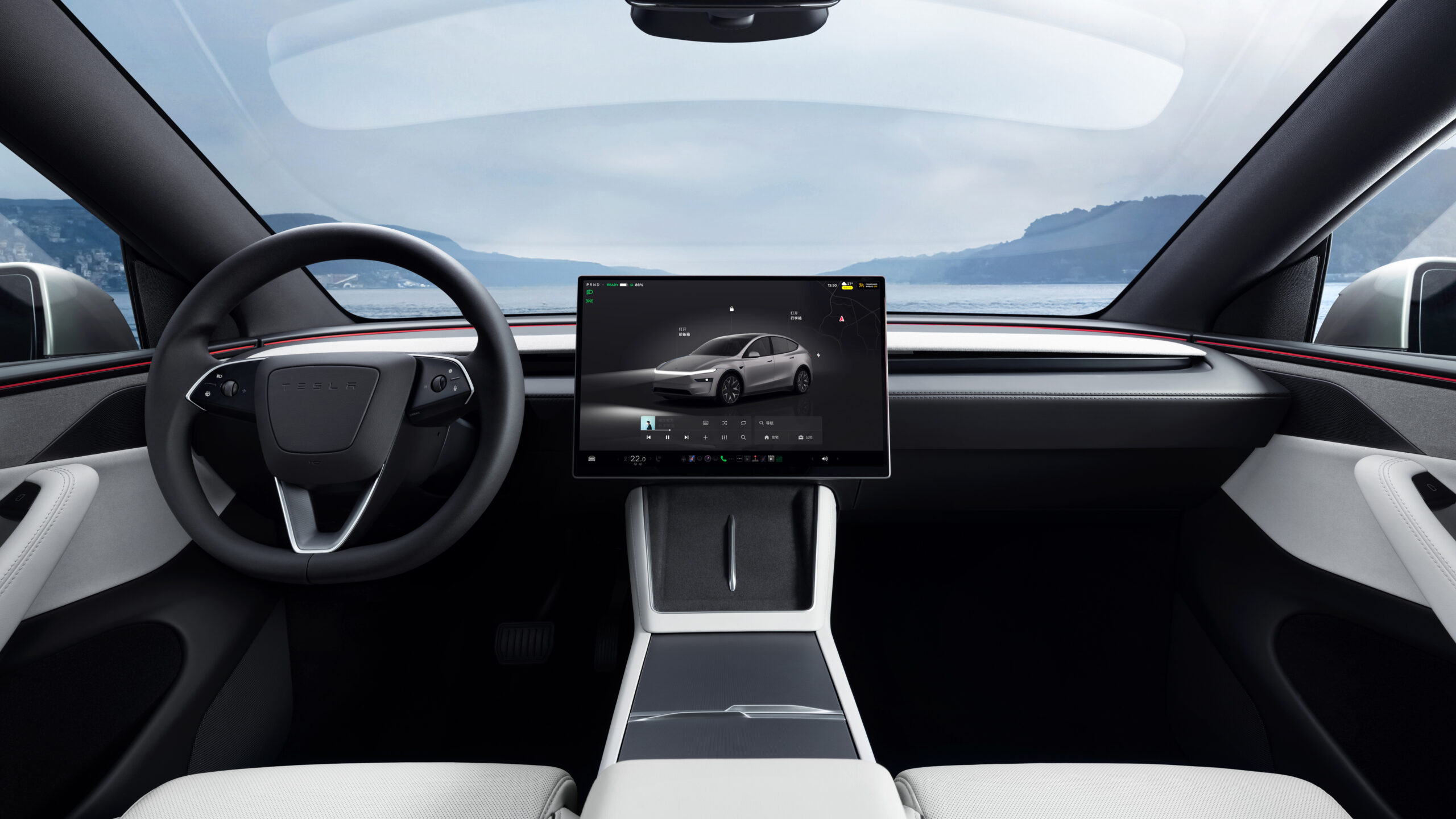
The test involved four routine actions: turning on the seat heater while increasing the cabin temperature and activating the defroster, switching radio stations, resetting the trip computer, and dimming the instrument lighting while turning off the center display.
Also: Mazda Says A Finger On A Screen Beats Reaching For 15 Similar Buttons
Drivers were given time to familiarize themselves with each vehicle beforehand, and any run where they drifted out of their lane or failed to maintain speed was repeated. Each task was timed separately, beginning when the driver placed both hands on the steering wheel and ending when the action was complete.
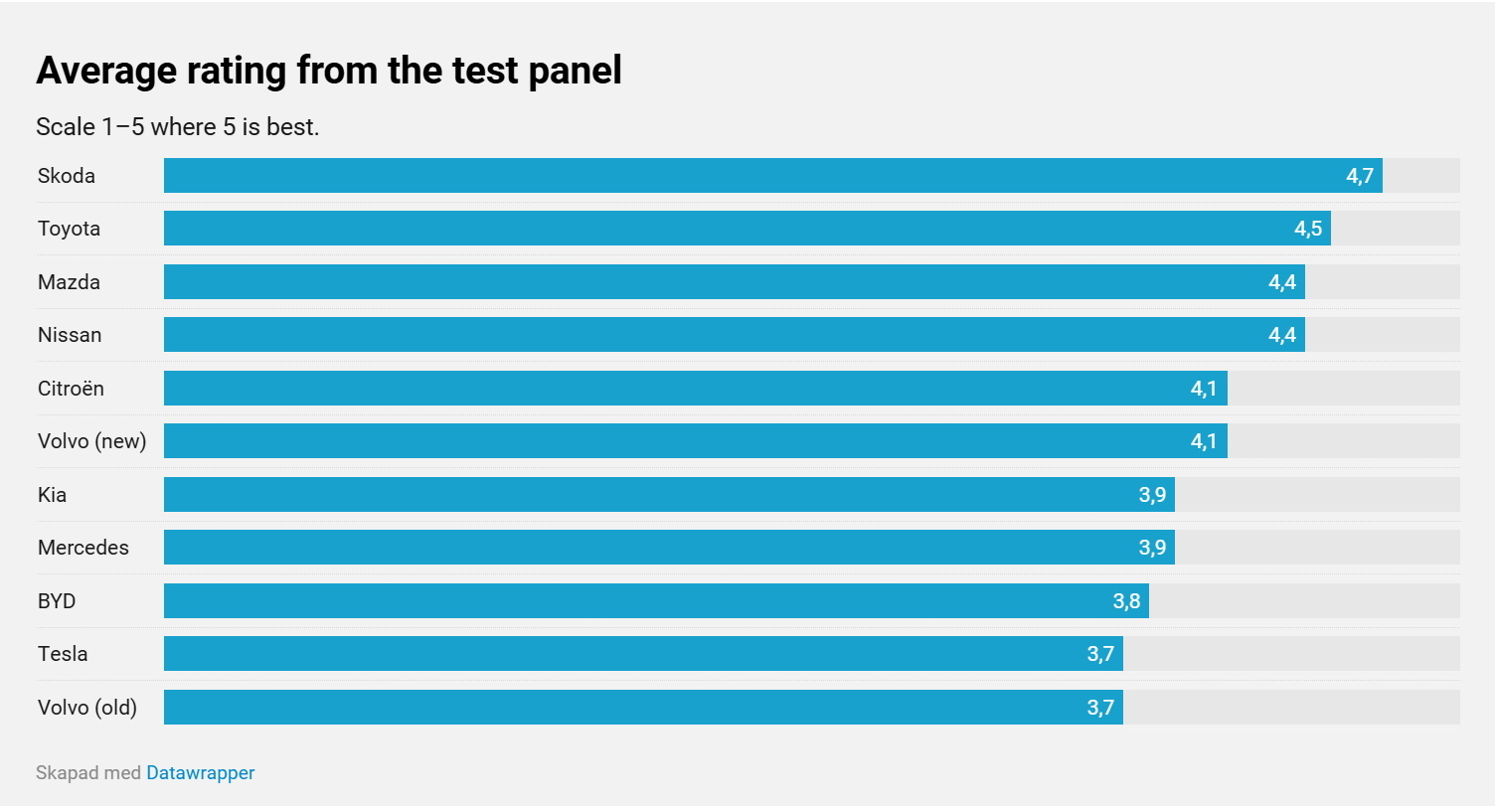
Two drivers ran each car, and voice control was left out because the functions it handles differ too much from one model to the next. Testing happened at Lunda Airport near Uppsala under partly cloudy skies at 12 degrees Celsius (54 degrees Fahrenheit). The study also weighed phone functionality, touchscreen operation while wearing various types of gloves, viewing distance to the display, and first impressions from a panel of drivers spanning a range of ages.
It’s The Layout, Not The Screen
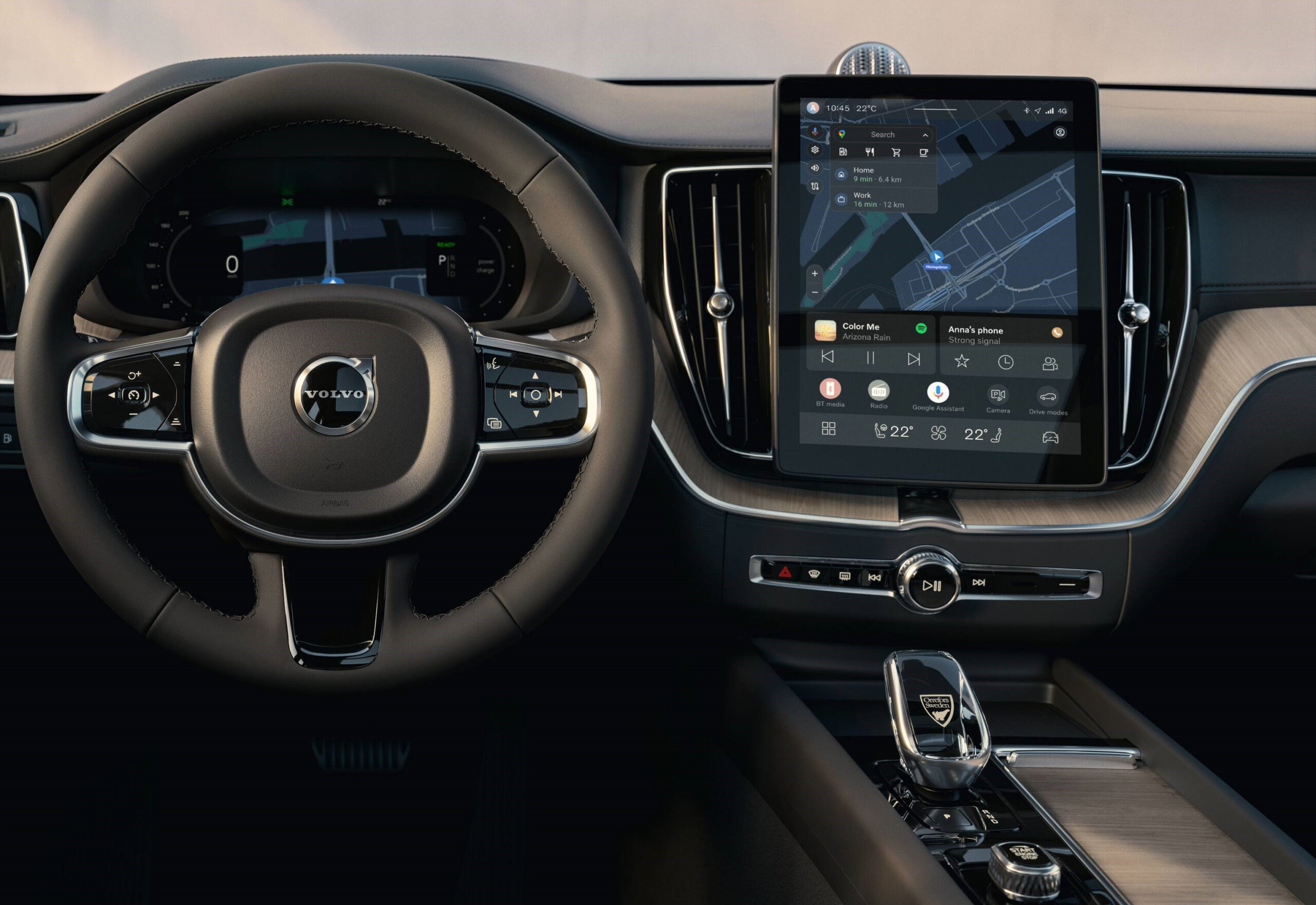
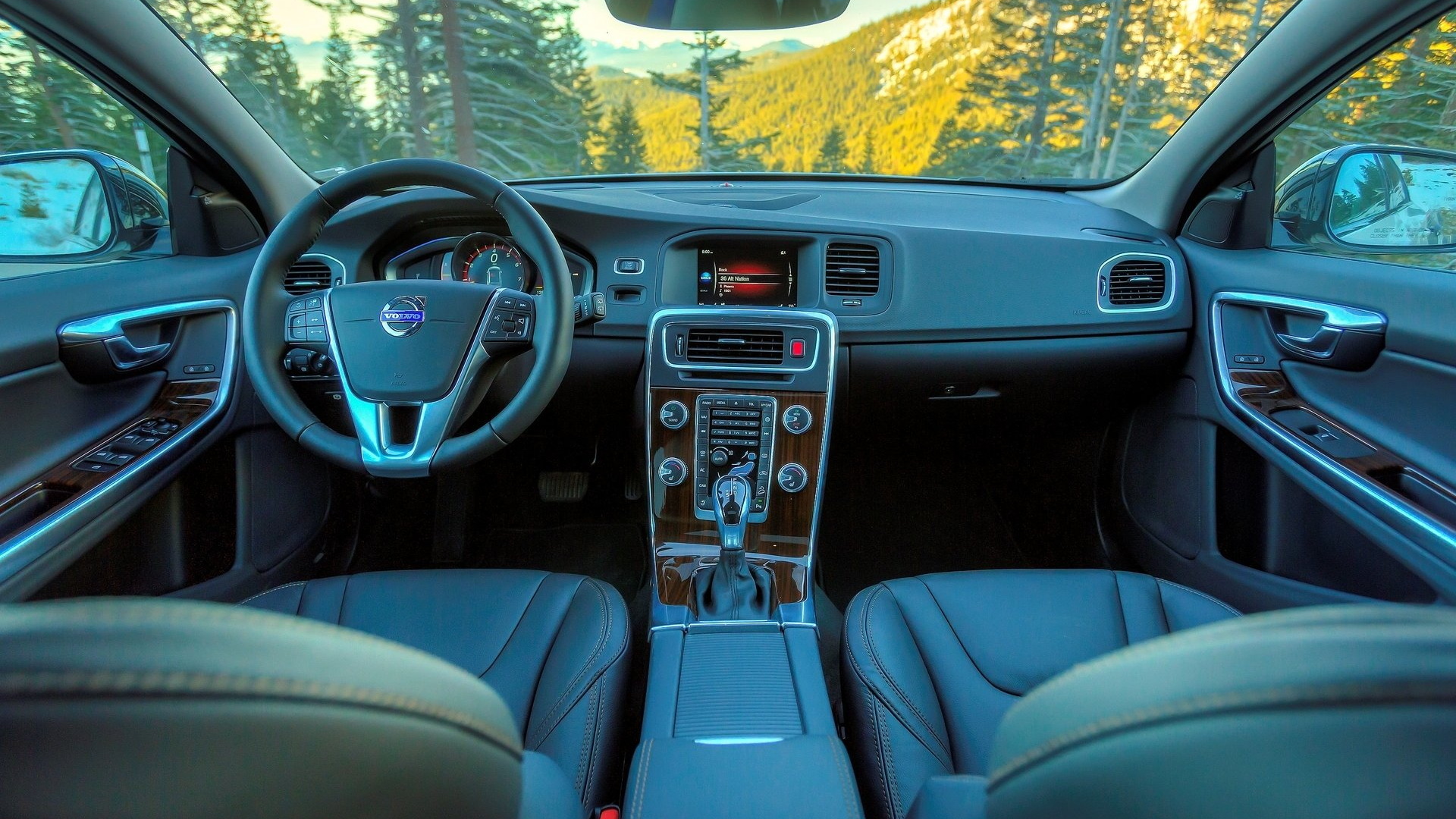
Perhaps the most standout result is that touchscreens themselves don’t seem to be the issue. Proving that point is the Volvo XC60, which completed the test in just 485 meters (1,591 feet). Its results suggest that the in-car UX is intuitive, fast, and good at helping drivers maintain focus on the road. On the flip side, and almost equally surprising, is a 2016 Volvo V60, used to represent a button-only approach, which needed 863 meters (2,831 feet) to complete the test.
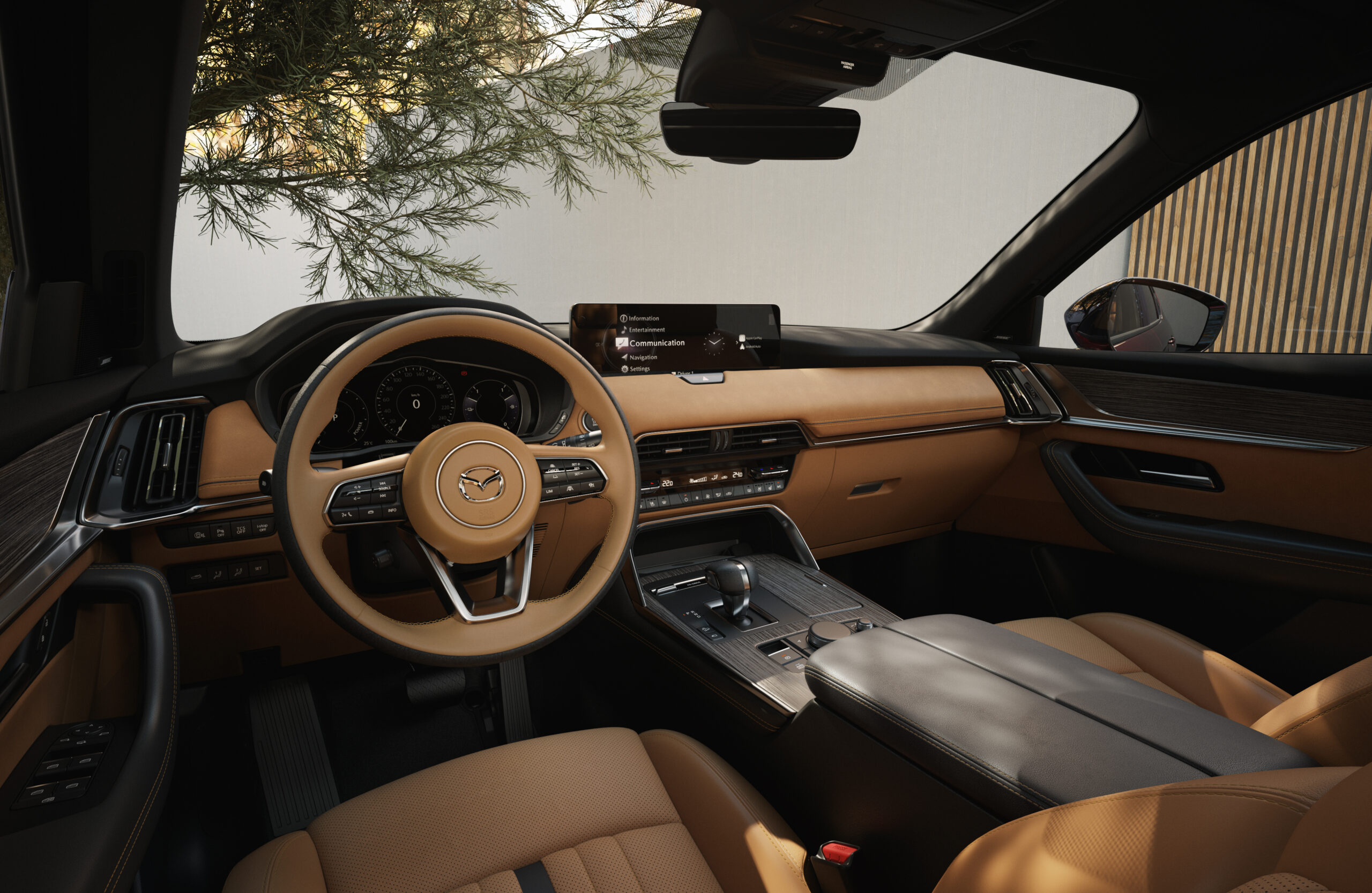
The Mazda CX-60 fared worse still. Its touchscreen locks out on the move, leaving the driver dependent on physical controls, and finishing the tasks took 37 seconds across 1,137 meters (3,730 feet). The cabin also carried 50 buttons, the highest count in the 2026 test.
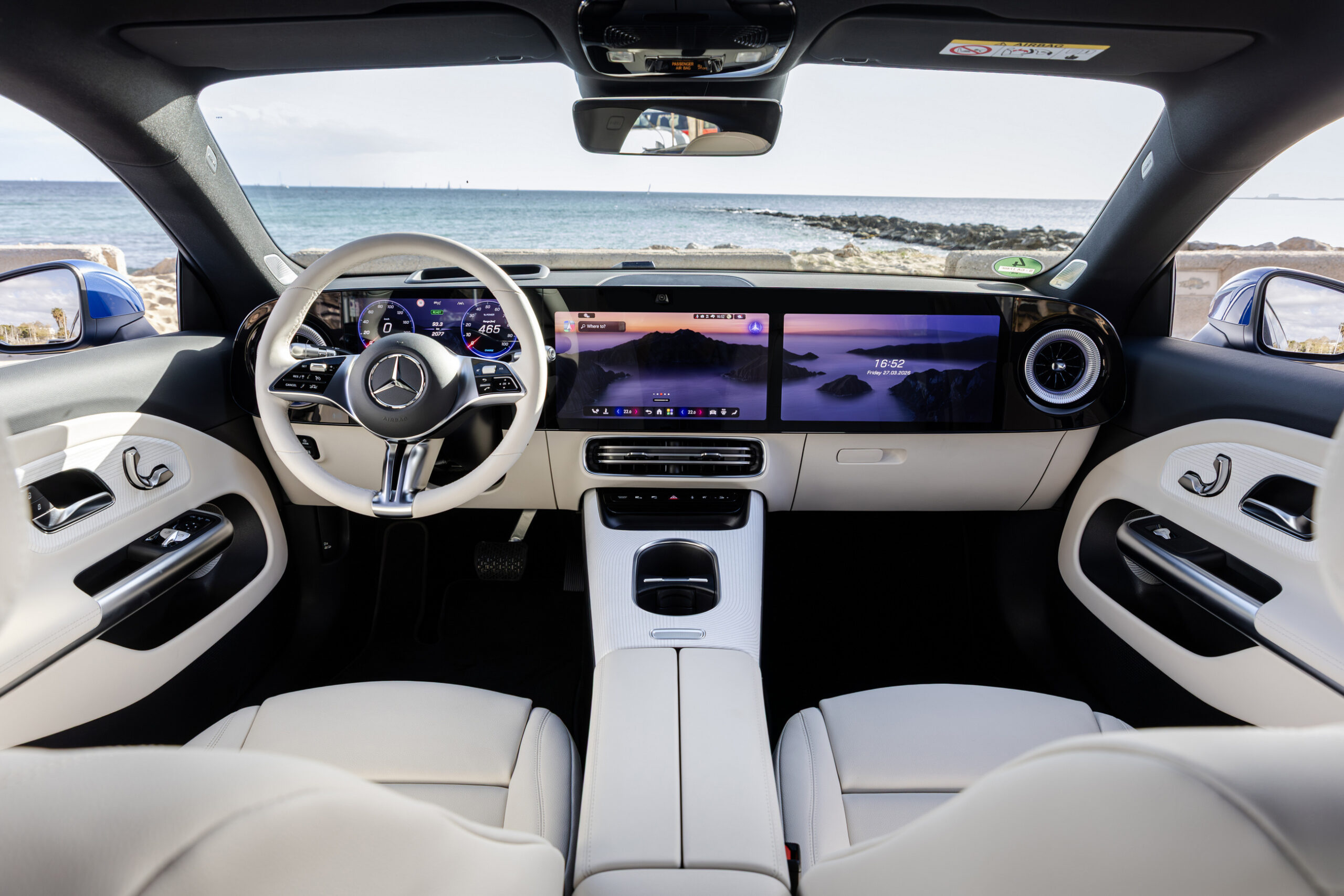
Tesla’s interface, which is almost entirely screen-based, improved between the two tests, but Mercedes went the other way, requiring 15 more seconds to complete the same tasks. In other words, design matters more than whether or not the buttons and switches are physical or baked into a screen. Excluding conventional controls such as power-window switches, the Model Y has only four buttons, with functions including mirror adjustment and gear selection handled through the display.
The screen-focused Mercedes CLA took 35 seconds overall, dragged down partly by a 19-second startup lag from unlocking to the display accepting input, versus a Tesla that wakes the moment the door opens. Skoda’s blend of knobs and touchscreen posted the second-shortest distance at 542 meters (1,778 feet), with its drivers wrapping up the tasks in 18 seconds.
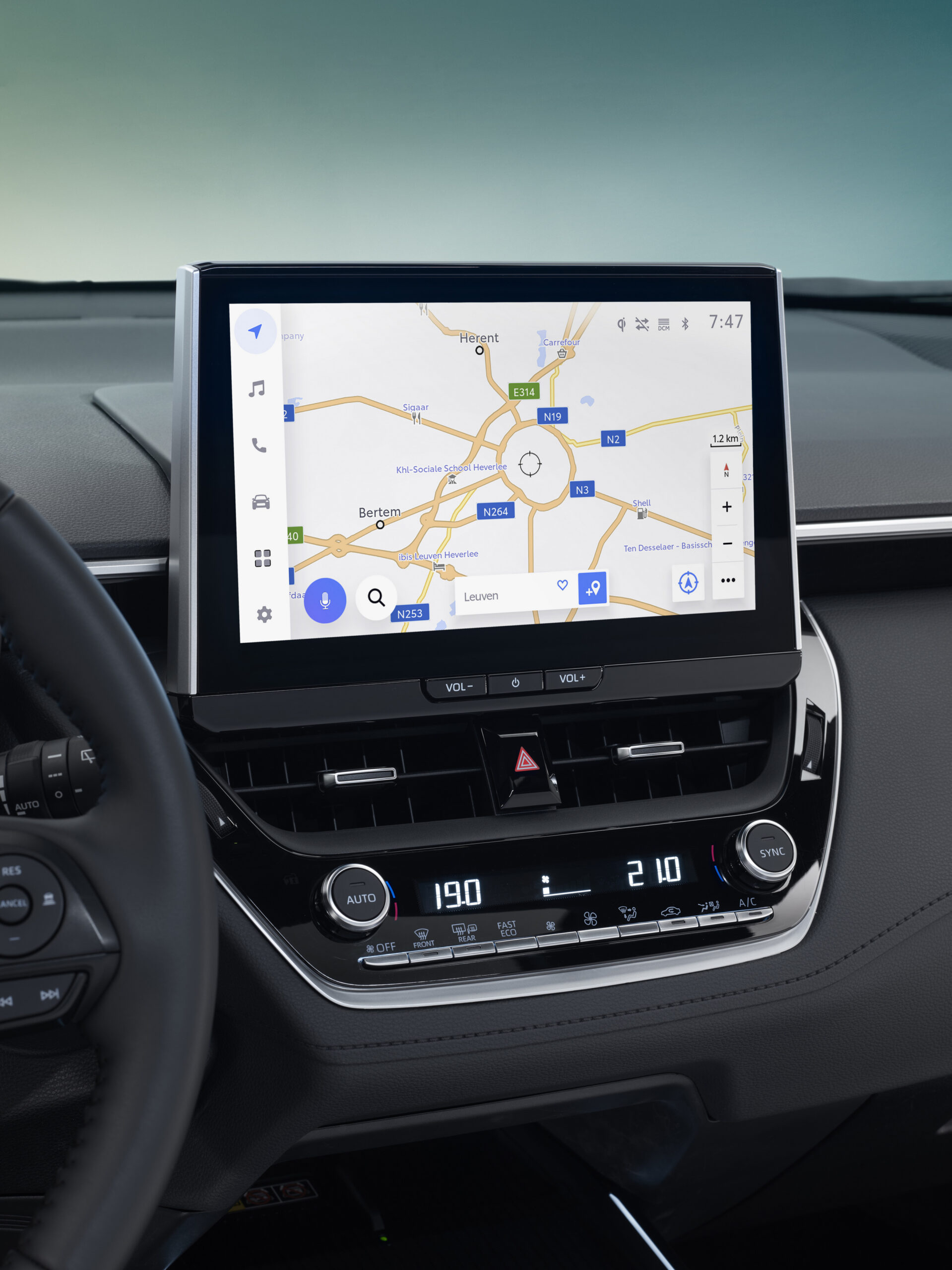
In the Toyota Corolla Cross, a well-placed screen was let down by an instrument-lighting adjustment buried so deep in the trip computer that the car rolled 580 meters (1,903 feet) before the change was made.
How Far the Driver’s Eyes Drop, Top to Bottom
Screen placement has at least improved, with the XC60 requiring the driver to drop their gaze 35 degrees against the 56 degrees demanded by 2022’s worst offender, the MG Marvel R, and the Nissan Qashqai’s display growing from nine inches to 12.3 since its last appearance.
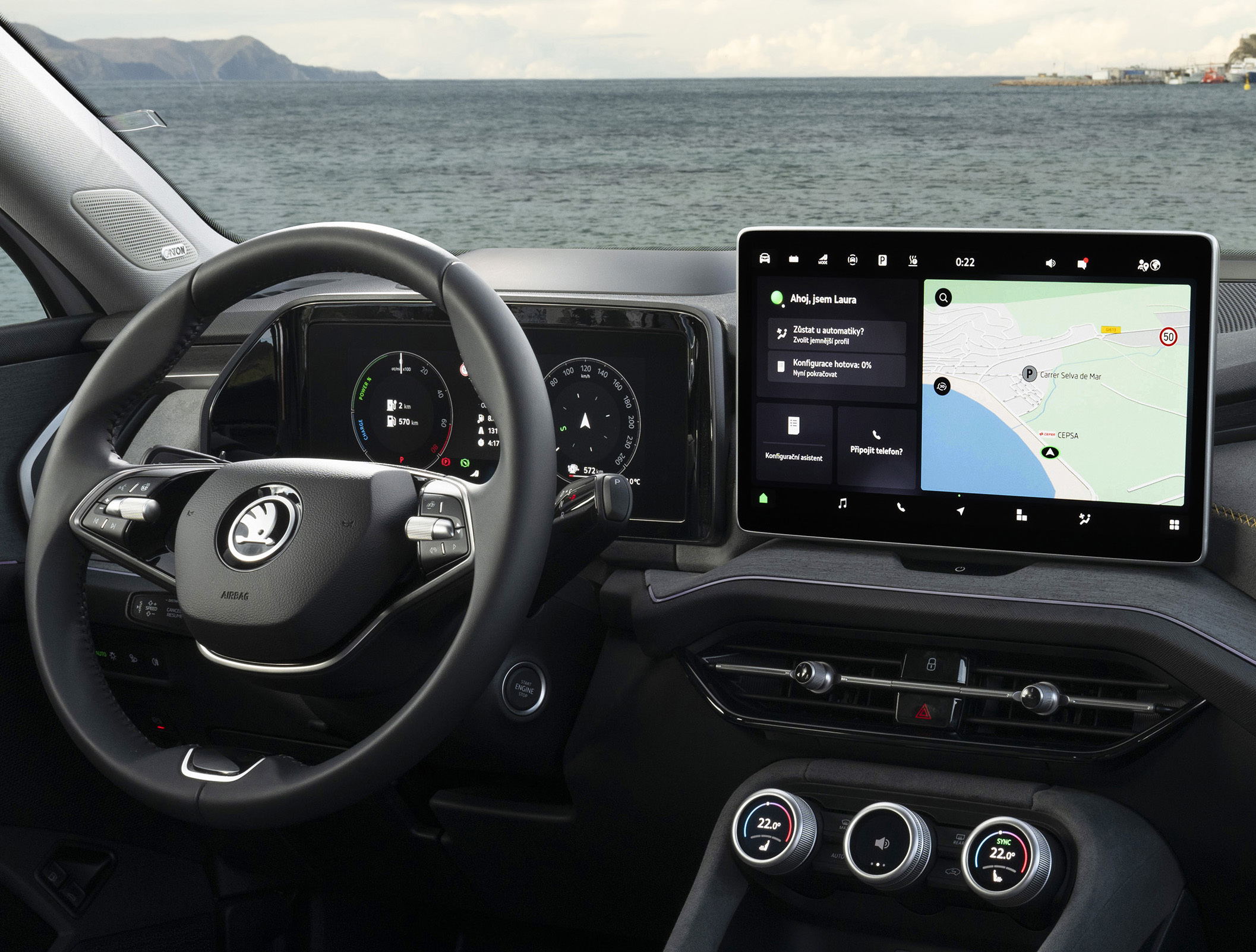
Still, the study only goes so far to prove its point. A sample size of ten vehicles is hardly a complete representation of the automotive industry’s control set. Vehicle familiarity, cabin layout, steering wheel controls, and even the specific features being tested can all influence results. Despite the potential issues, the results we see here seem all but shocking.
Thanks to Vibilagare for sharing their finds with us!