- Giant electric SUVs and vans are pounding China’s roads harder than ever.
- Falling fuel-tax revenue has left a massive hole in the road budget.
- Beijing is weighing a per-mile charge to make EV drivers pay their share.
Electric vehicles are flooding onto Chinese roads at a staggering pace, replacing millions of gas guzzlers and cutting down on toxic tailpipe emissions. It’s not all good news, though. As big, heavy EVs grow more common across the country, the roads beneath them are taking some serious punishment, leaving authorities scratching their heads over how to pay for the repairs.
Read: America Plans 159 New Cars By 2030, China Just Launched 650 In Six Months
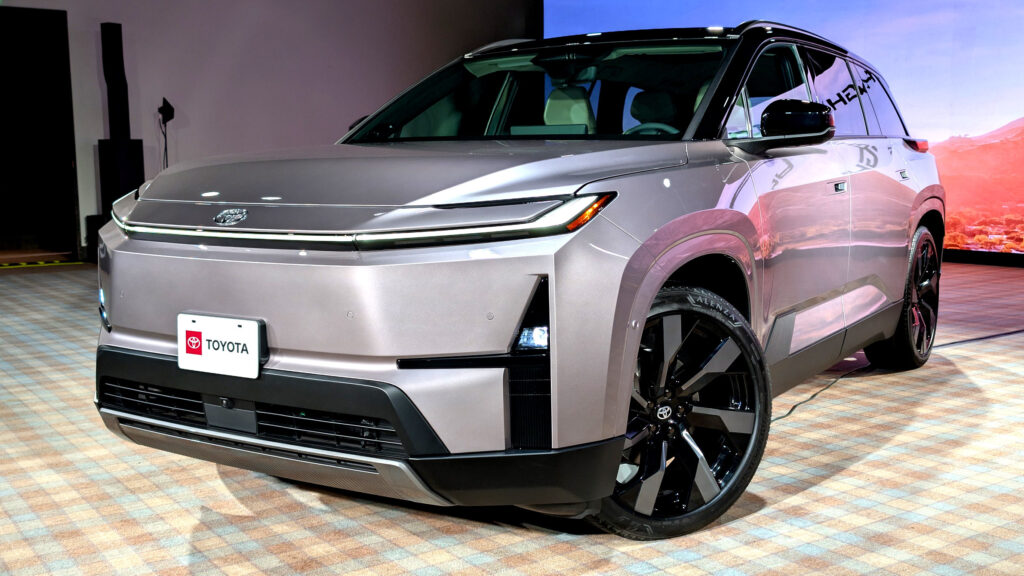
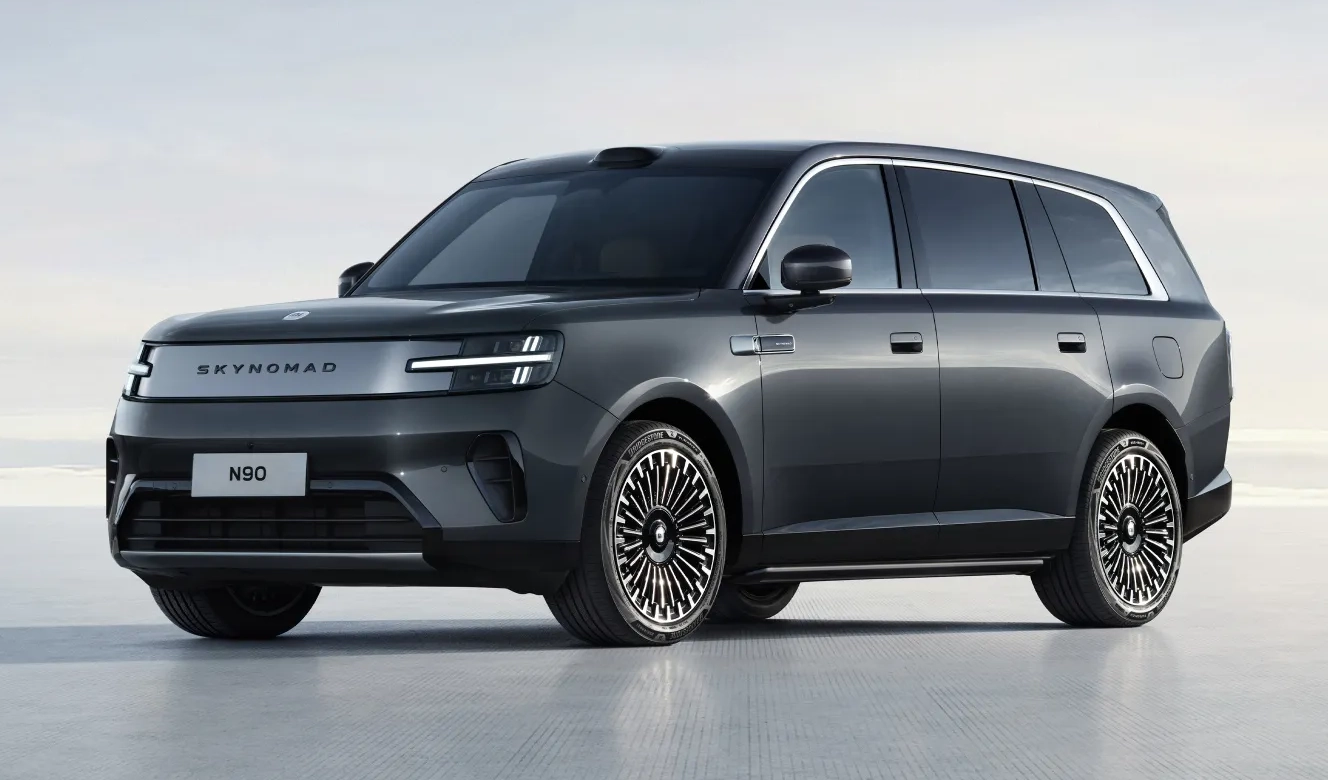
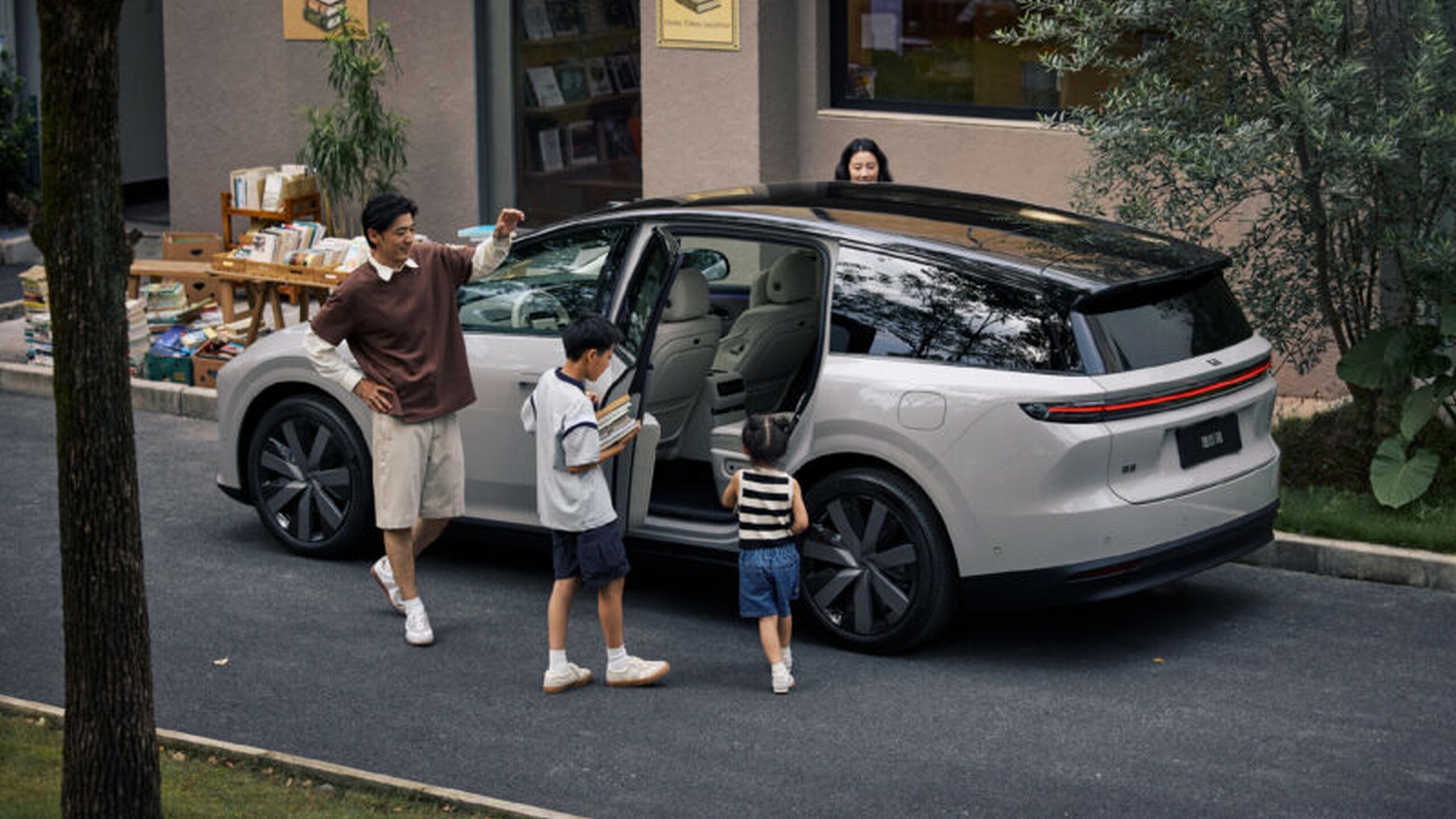
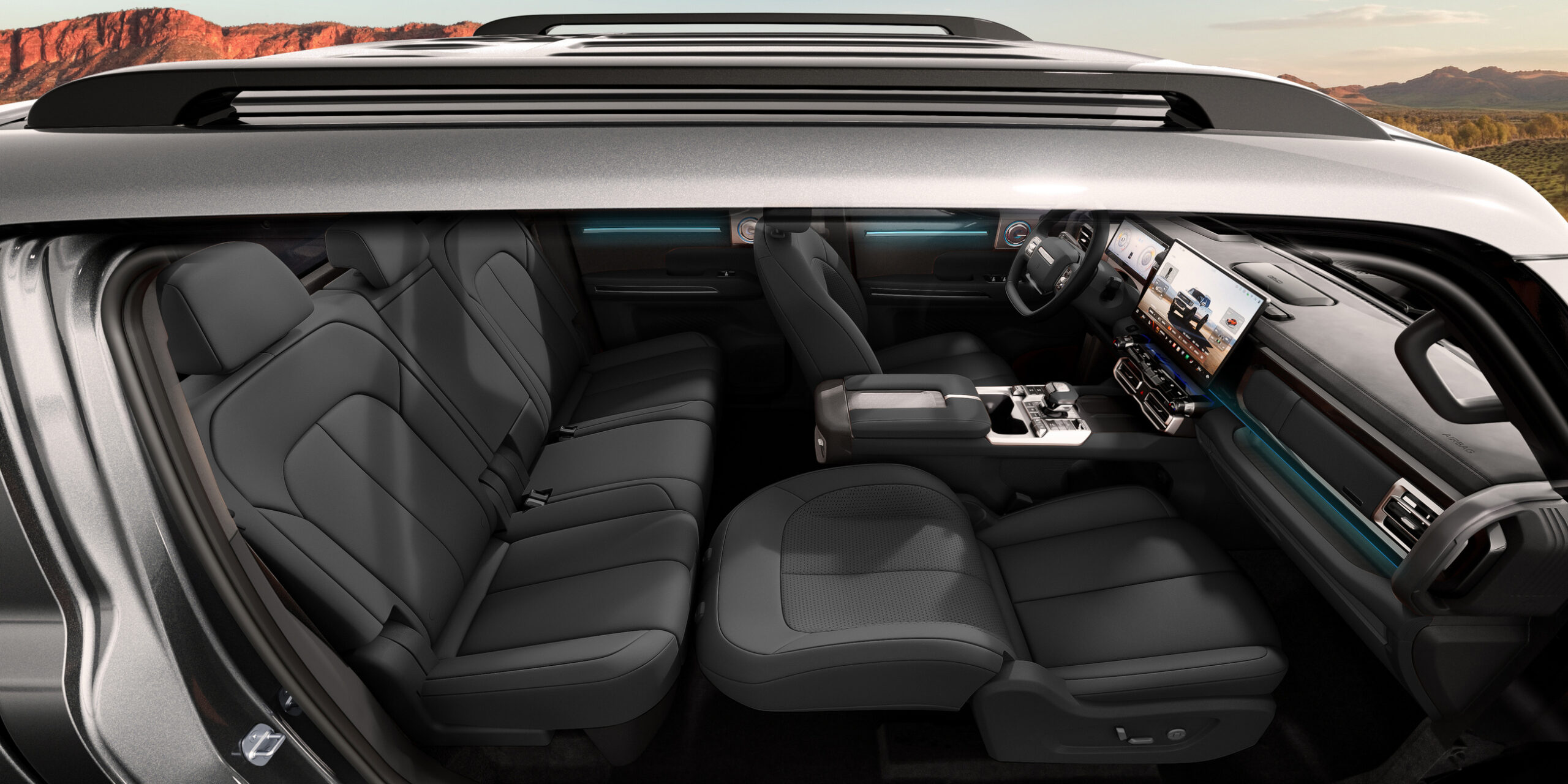
Data from the China Passenger Car Association shows that 60 percent of new cars launched in the country in the first half of this year stretched beyond 16 feet (5 meters), as a growing number of local manufacturers develop ever-larger and ever-more-luxurious SUVs and minivans to meet rising demand.
Some of these supersized models now weigh as much as three tons, which is where the road damage comes from. By comparison, just 2 percent of new models came in under 14.8 feet (4.5 meters), down from 13 percent a year earlier, a sign of how quickly buyers have abandoned smaller vehicles.
Ordinarily, the government funds highway and road repairs through a fuel tax. Revenue from that tax has begun to decline, and according to a Bloomberg report, the nation now faces an annual shortfall of roughly 50 percent for road upkeep and management. A study by a research unit within China’s Transport Ministry found that around 40 percent of local roads have been approved for repair but remain unfunded because of tight budgets. The gap has been estimated at up to 300 billion yuan ($44 billion) a year.
How To Fund Roads In The EV Age
New ways to fund roads are being considered. A mileage-based road user charge is one option. The government has also started trimming EV tax concessions, halving the sales tax discount for new energy vehicles (NEVs) to 5 percent, with the maximum discount now capped at 15,000 yuan (around $2,250). Annual vehicle and vessel tax exemptions will be axed for PHEVs and extended-range EVs.
There are other measures in play. Hainan province is running a pilot program that uses sat-nav to track certain vehicles, which could form the basis of a dynamic mileage tax that varies by vehicle class.
The government also wants carmakers to rein in their obsession with size. Mandatory energy-consumption figures penalize excessively heavy passenger cars, nudging automakers toward lighter materials and better aerodynamics rather than ever-larger battery packs to stretch range.
The ruling Communist Party’s official newspaper, The People’s Daily, has urged companies to “return to rationality,” noting that such large vehicles clash with existing urban infrastructure and drive up energy consumption. State broadcaster CCTV has also criticized the industry’s growing focus on oversized EVs, calling it a response to short-term market demand rather than genuine innovation.