









- Chinese government is axing tax breaks for some EVs from January 2027.
- Just three EV makers in China are profitable: BYD, Xiaomi, and Leapmotor.
- As local sales fall, Chinese brands will have increase vehicle exports this year.
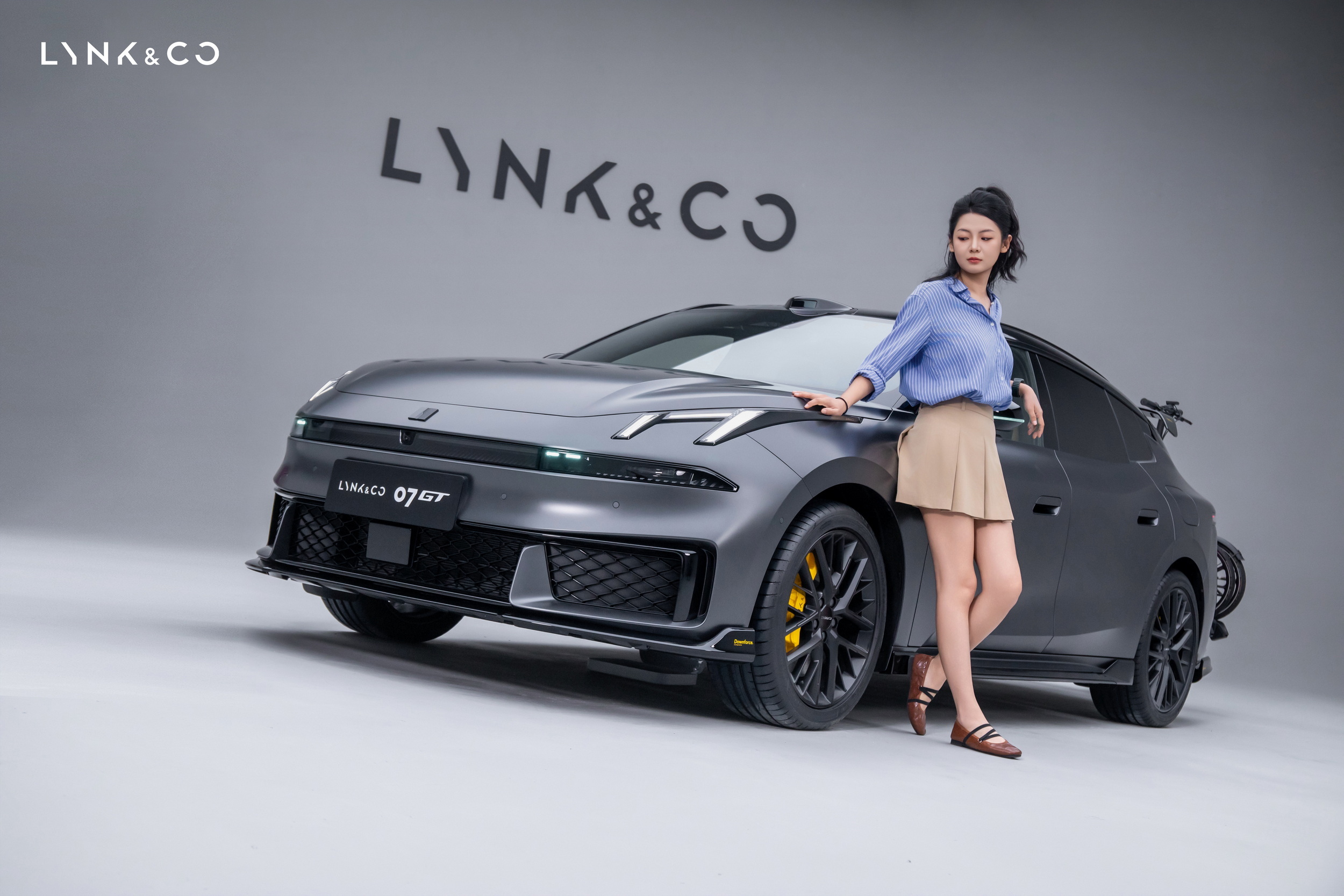
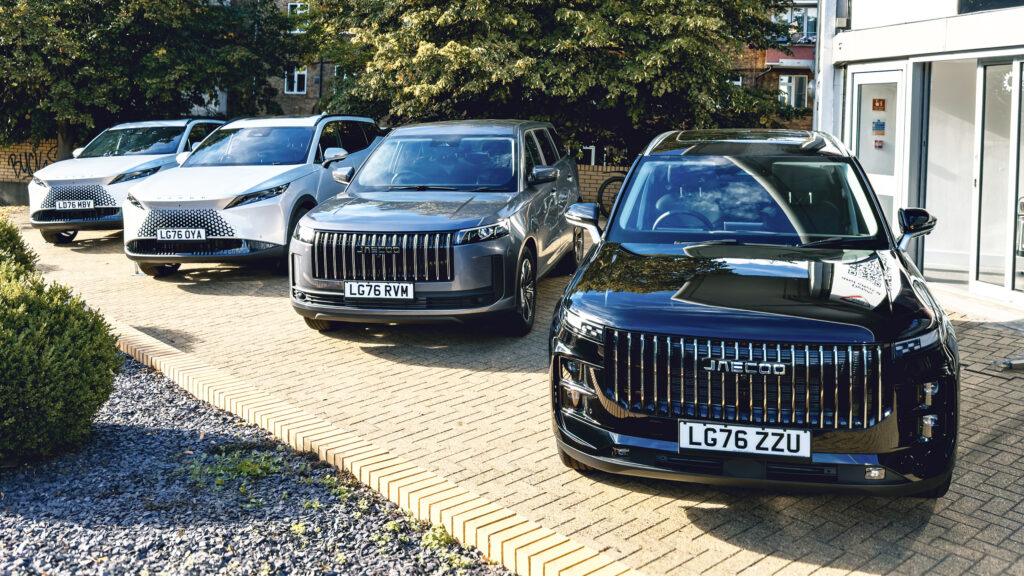
While China is still the world’s largest market for new EVs, sales remain stuck below the previous high. That slump is pushing local car manufacturers to double down on exporting their newly built models overseas.
Early data from the China Passenger Car Association show that 1.04 million battery-electric and plug-in hybrid cars sold nationwide in June. That figure looks healthy until you line it up against last year, when June sales came in 7 percent higher. First-half numbers are even worse, sliding 13 percent to 4.73 million units through 2026.
Read: China’s EV Sales Collapsed By Nearly 20%, And Germany’s Big Five Are Down To 1.6%
Several forces are dragging on demand. The Chinese economy remains shaky, plenty of shoppers are waiting on the sidelines for price cuts, and government support for NEVs keeps shrinking. As reported by the South China Morning Post, Beijing adjusted its subsidy policy earlier this year and started phasing out a sales tax break for EV makers.
Earlier this month, it was also confirmed that annual vehicle tax breaks available for battery-electric, plug-in and range-extender hybrids, as well as fuel-cell commercial vehicles, will be cut from January 1, 2027. Admittedly, these tax breaks are only small, typically saving buyers between 360 yuan ($53) and 660 yuan ($97) per year.
Chasing Profits Overseas
As it stands, BYD, Xiaomi, and Leapmotor are the only three Chinese EV manufacturers that are currently profitable. According to AlixPartners, as few as four others may reach a break-even point by 2030, with many weaker firms tipped to collapse or be acquired by bigger brands.
With profitability increasingly difficult to achieve, car companies are focusing more on overseas markets. Analysts believe Chinese brands could end 2026 having exported roughly 10 million vehicles, a significant 41 percent jump from the previous year.