










- Virginia is the first state to launch a statewide speed-limiter program.
- Washington, D.C. adopted similar technology before Virginia did.
- Judges can order the devices instead of suspending some drivers’ licenses.
Drivers in Virginia caught speeding or driving recklessly now have a new way to avoid losing their license. As of July 1, judges can order certain offenders to install Intelligent Speed Assistance (ISA), a technology that uses GPS data and speed-limit information to prevent further acceleration once a vehicle reaches the posted limit. Virginia is the first state in the nation to launch a statewide court-ordered ISA program, a distinction that could make it a model for similar efforts elsewhere.
We’ve reported on efforts to make this technology more widespread across the USA. Virginia is notable as the first state to actually pass and enact the law. Washington D.C., passed a similar law in 2024 and launched it last year. Washington State also passed a similar law but won’t enact it until 2029.
More: AI Cameras Read 20 Billion License Plates A Month. Now Cities Are Turning On Them
Maryland is working on its own rollout as well. What makes Virginia unique is scale and implementation. According to officials involved with the program, Virginia is the first state to fully implement a statewide court-ordered ISA program that judges can begin using immediately.
How The Technology Works
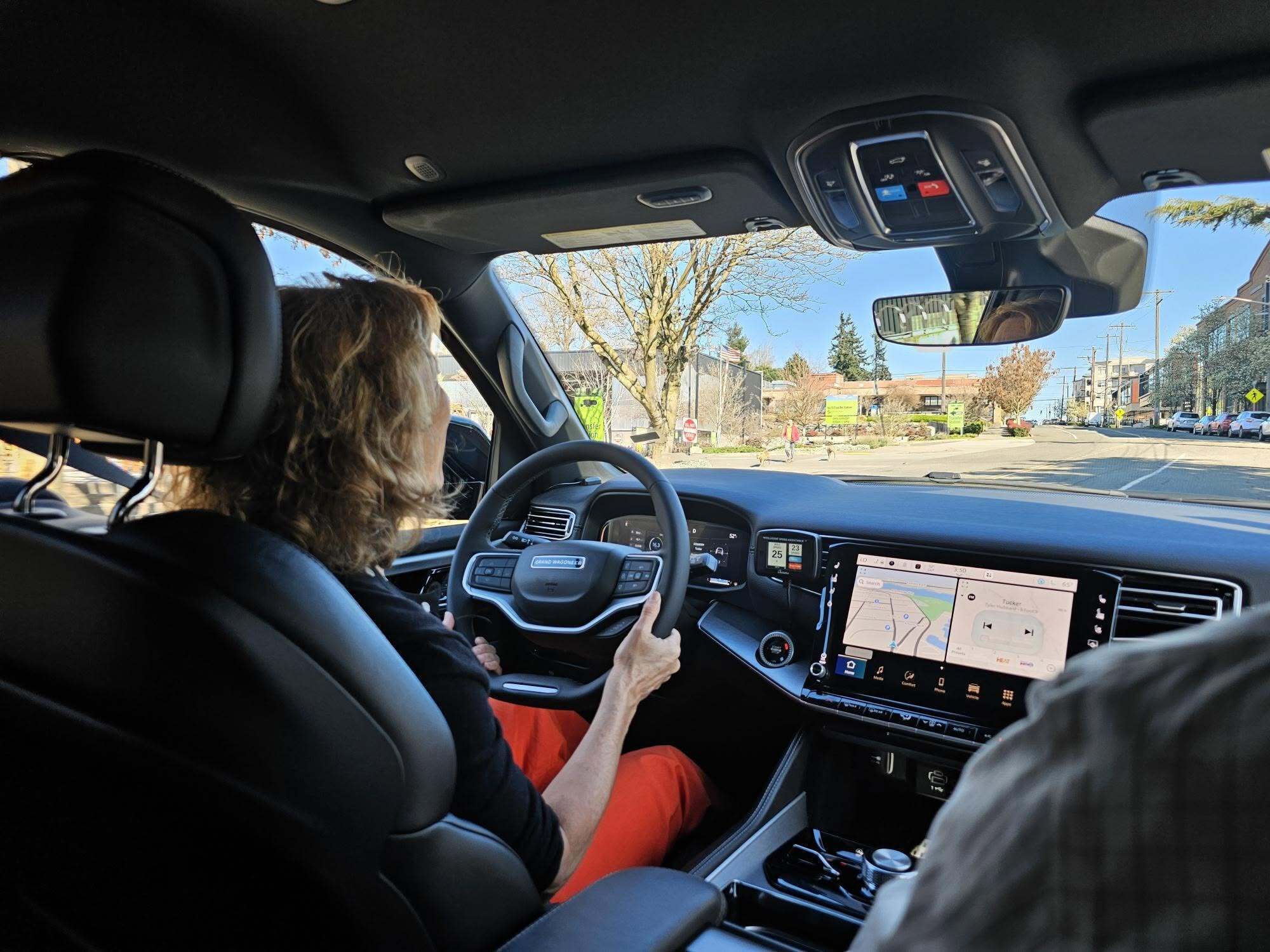
The technology, mostly supplied by a company called LifeSaver, doesn’t slam on the brakes or shut down the vehicle. Instead, it functions like a dynamic speed governor that limits additional acceleration once the vehicle reaches the legal speed threshold. “It prevents further acceleration once the vehicle reaches the local speed limit,” said Michael Travars, president of LifeSafer ISA, to 13 News.
Drivers convicted of extreme speeding offenses, including those caught traveling above 100 mph (161 km/h), can be ordered into the program rather than facing a traditional license suspension.
Supporters argue the technology could save lives by targeting a relatively small group of chronic speeders who account for a disproportionate share of dangerous crashes. Critics, meanwhile, see it as another step toward greater electronic control over vehicles and driver behavior.
Notably, D.C. hasn’t released any data on how effective or otherwise the technology has been since its implementation. Regardless, Virginia is now serving as the nation’s largest test case. If the program succeeds, don’t be surprised if more states decide that speed governors belong in courtrooms alongside fines, points, and license suspensions.