










- Michigan Lefts eliminate direct left turns at many divided highway intersections.
- The design reduces crashes while increasing traffic capacity and reducing delays.
- Other states have begun adopting similar intersections after decades of proven results.
It feels completely backward the first time you encounter one. You’re trying to turn left, but instead of letting you do exactly that, the road tells you to keep driving, make a U-turn, and then turn right. It looks inefficient on paper, yet traffic engineers have spent more than six decades proving the opposite. Michigan’s signature “Michigan Left” isn’t there to inconvenience drivers. It’s there because infrastructure is the king of road safety.
According to the Michigan Department of Transportation (MDOT), the unconventional intersection design can reduce crashes and fatalities by 30 to 60 percent while boosting intersection capacity by 20 to 50 percent compared to traditional left-turn intersections. So this design increases safety and, secondarily, road capacity. Now, other states are introducing it too.
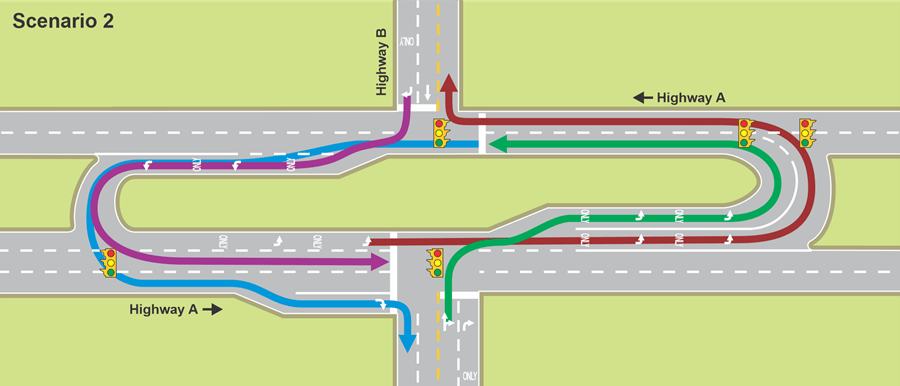
Rather than allowing drivers on a divided highway to make a direct left turn across oncoming traffic, a Michigan Left forces them to continue straight through the intersection. Roughly 660 feet (200 m) beyond it, they enter a dedicated median crossover, perform a U-turn when traffic allows, then return to the intersection and make a simple right turn onto the cross street.
Read: A Semi Truck Habit That’s Driving Everyone Crazy Could Soon Be Illegal
Drivers approaching from the side road follow the opposite sequence. Instead of turning left onto the highway, they first turn right, continue to the median crossover, make a U-turn, and proceed in their desired direction. The result is that every movement at the main intersection becomes either straight ahead or a right turn.
Why It Works
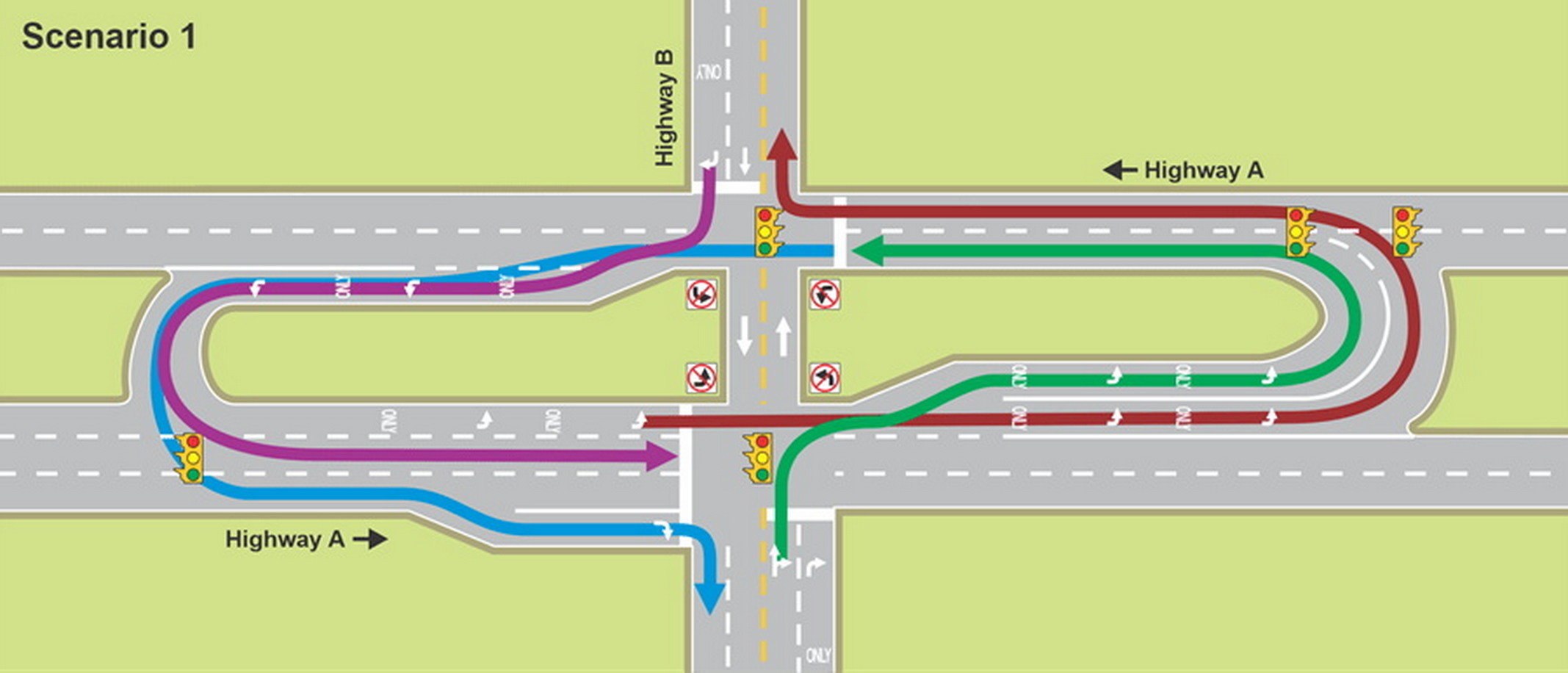
While turning across multiple lanes of oncoming traffic might feel normal to most folks, it’s one of the most dangerous things any of us do on the road. MDOT says around 30 percent of all crashes in Michigan occur at intersections, while nearly 58 percent of those involve head-on left-turn or angle collisions. Those are typically among the most severe crashes because they’re often high-speed impacts.
By removing direct left turns, engineers essentially eliminate this potential outcome. Road signs are great, but as has been proven time and time again, people, even the most well-intentioned ones, make mistakes when behind the wheel. Good road design and infrastructure assume human error, as is the case with the Michigan Left.
The cool part is that rather than slowing traffic to improve safety, which is typically how good road design works, this method actually improves traffic flow. Because Michigan Lefts eliminate those protected left turns, traffic lights can operate on simpler cycles, moving more vehicles through each green light and reducing congestion.
It’s Older Than You Think
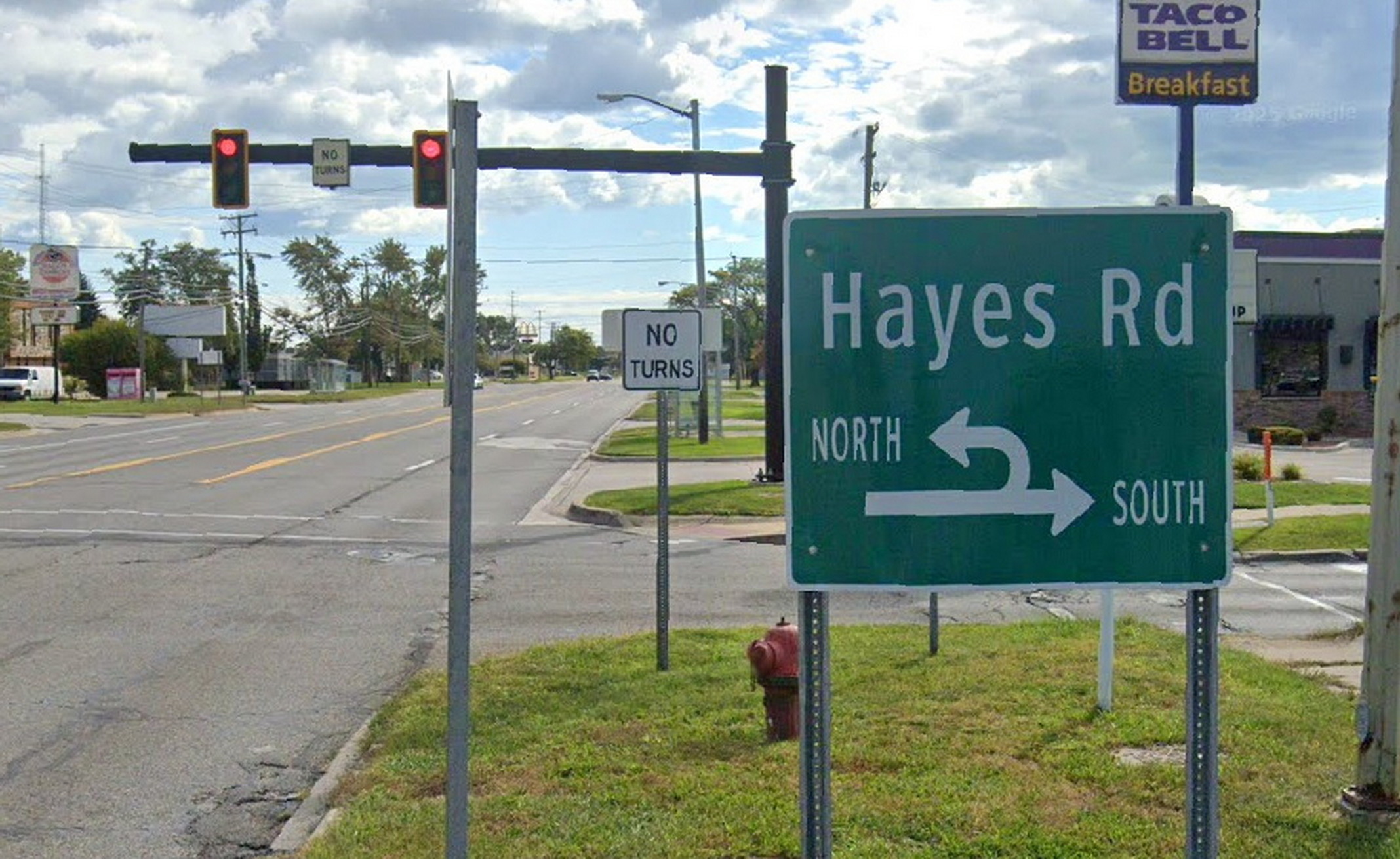
The concept isn’t new. According to MDOT’s history, the first modern Michigan Left was developed in 1960 along Telegraph Road (US-24) in Wayne County. Engineers Joseph Hobrla and Joseph Marlow modified an existing divided highway design after becoming dissatisfied with traffic flow.
The experiment proved successful enough that hundreds of directional crossovers were eventually built across Michigan’s state highway system. Today, the state has more than 425 miles (684 km) of highway median featuring these specialized crossovers.
Growing In Popularity
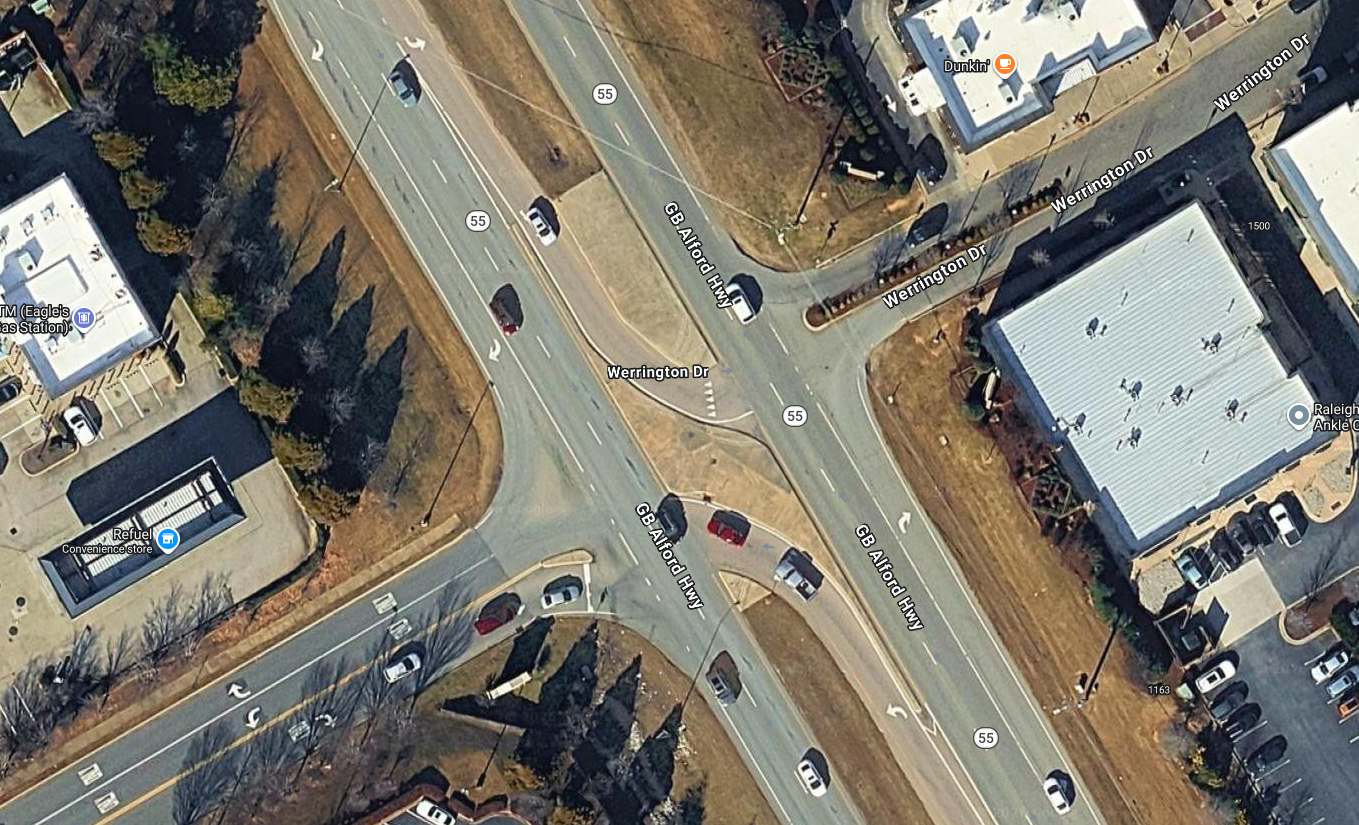
The concept has quietly spread beyond the Great Lakes State. North Carolina has incorporated similar layouts into its “Superstreet” intersections, while Arizona has adopted comparable designs under the name “Arizona Boulevard.” The reasoning is simple. Beyond improving safety and traffic flow, it also costs less than constructing a conventional interchange.
Sure, it means driving a few hundred extra feet before making your turn, but according to decades of traffic studies, that minor detour is more than offset by fewer severe crashes, shorter waits at traffic lights, and smoother traffic overall. Sometimes, taking the long way around really is the fastest route.