


- NHTSA rejected investigation request into Tesla handles but wants to look at industry-wide rules.
- Denied petition came from a Model 3 driver forced to escape a wreck through rear door window.
- Future regulations could reshape emergency door releases across all cars sold in America.
Futuristic electronic door handles have been sold to us as a premium, design-savvy convenience. But now the controversial feature, which has resulted in multiple safety-related lawsuits, could be the reason regulators rewrite how every new car in America handles emergency exits.
Related: China Banned Them First, Now Hong Kong Wants To Shut The Door On Hidden EV Handles
In a move that could have far-reaching consequences for the auto industry, the National Highway Traffic Safety Administration (NHTSA) has declined a request to investigate Tesla’s Model 3 door release design while simultaneously granting a separate petition. That second decision is likely to lead to new federal safety rules.
The Crash That Started It
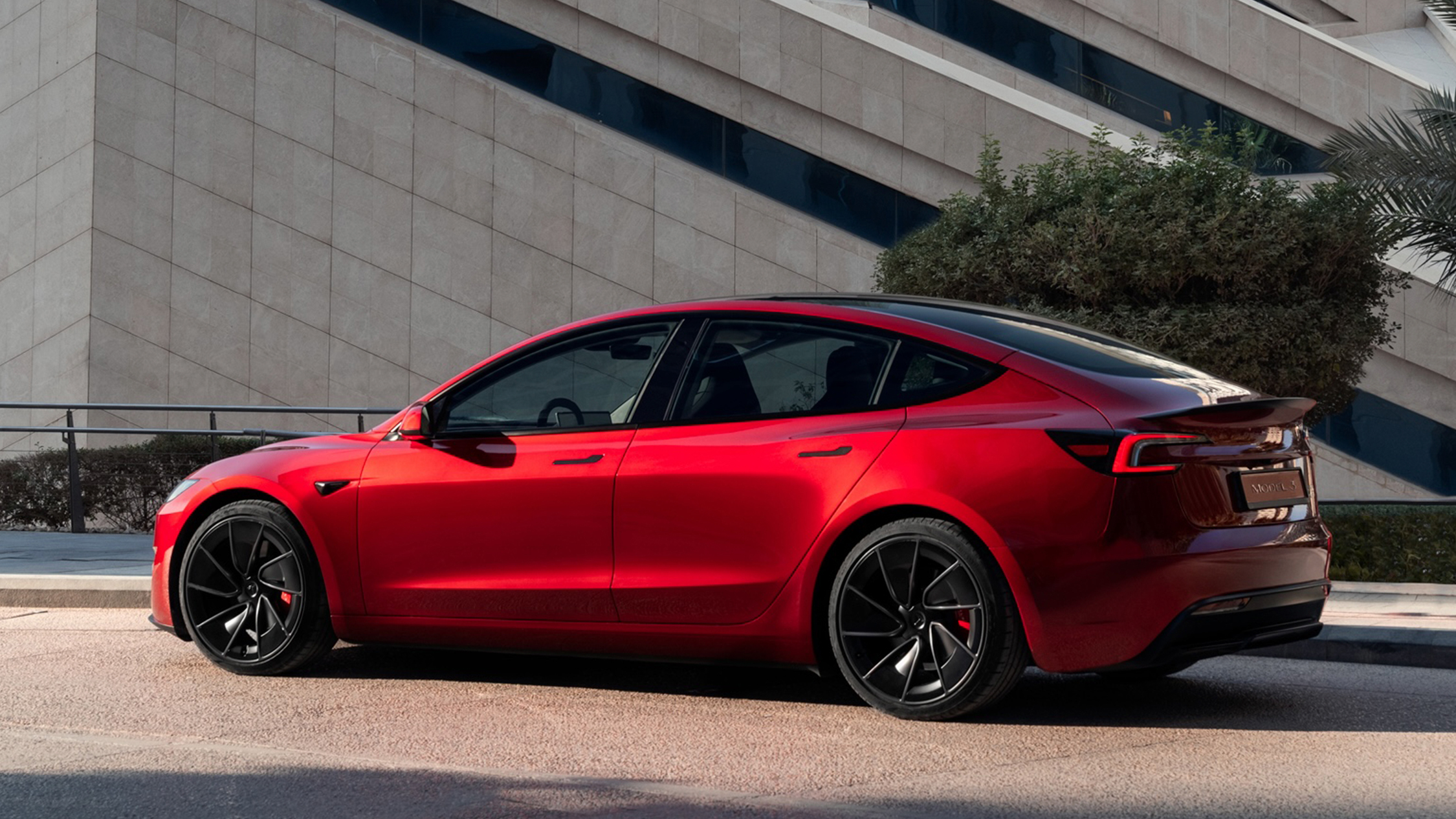
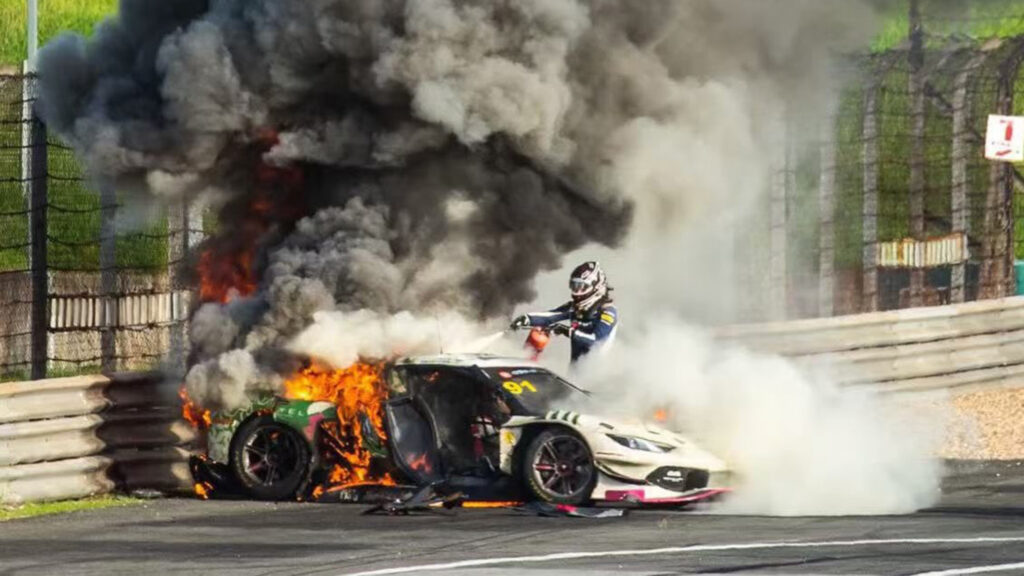
The original petition centered on a 2022 Tesla Model 3. Following a serious crash, the owner claimed the vehicle lost electrical power, the electronic door operation stopped working, and he couldn’t locate the manual release. According to the filing, he ultimately escaped through a rear window after the car caught fire.
The NHTSA reviewed the complaint and acknowledged the danger. The agency agreed that a vehicle with electronic door operation but no easily accessible mechanical release can create a safety risk if power is lost during an emergency. A hidden or difficult-to-find release could delay escape and potentially contribute to serious injuries or fatalities.
However, regulators concluded that the issue wasn’t really a defect investigation problem. Instead, they determined it exposed a gap in existing federal safety standards. Current rules governing doors focus largely on keeping occupants inside during crashes and ensuring structural integrity. They don’t specifically address whether emergency releases must be obvious or easy to find.
Problems Go Beyond Tesla
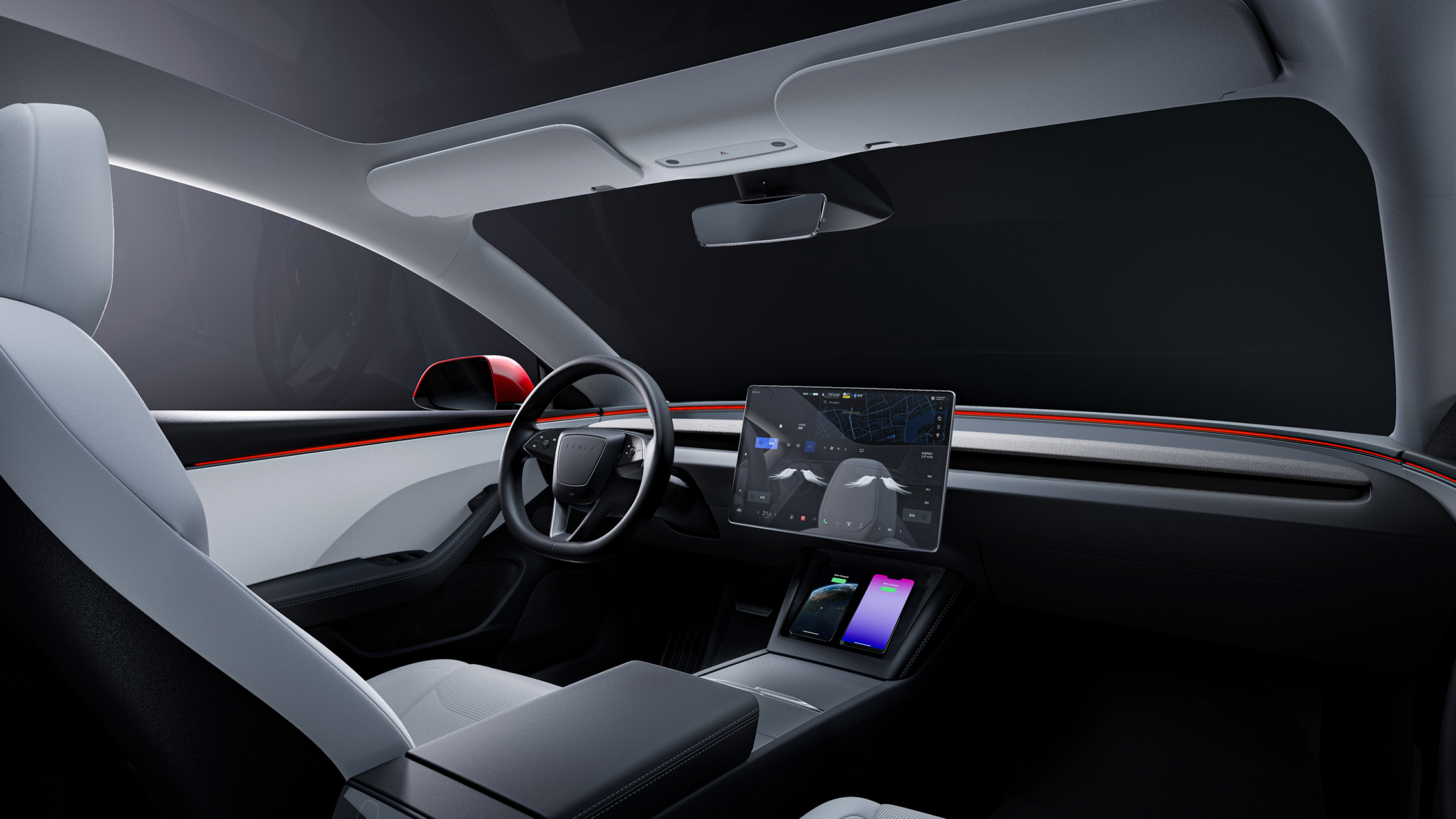
A separate petition asked the NHTSA to create an entirely new safety standard requiring a “robust and obvious door egress system” in all vehicles, not just Teslas. The proposal calls for mechanical releases that continue working even after total power loss and can be operated intuitively without hunting through a door panel.
The NHTSA granted that petition and will now begin the rulemaking process. That doesn’t mean new regulations are imminent, but it does mean the agency believes the topic deserves formal review. The push follows several high-profile incidents involving vehicles with electronic door systems. Bloomberg reports uncovering at least 15 deaths in crashes where occupants or rescuers allegedly struggled to open Tesla doors after fires broke out.
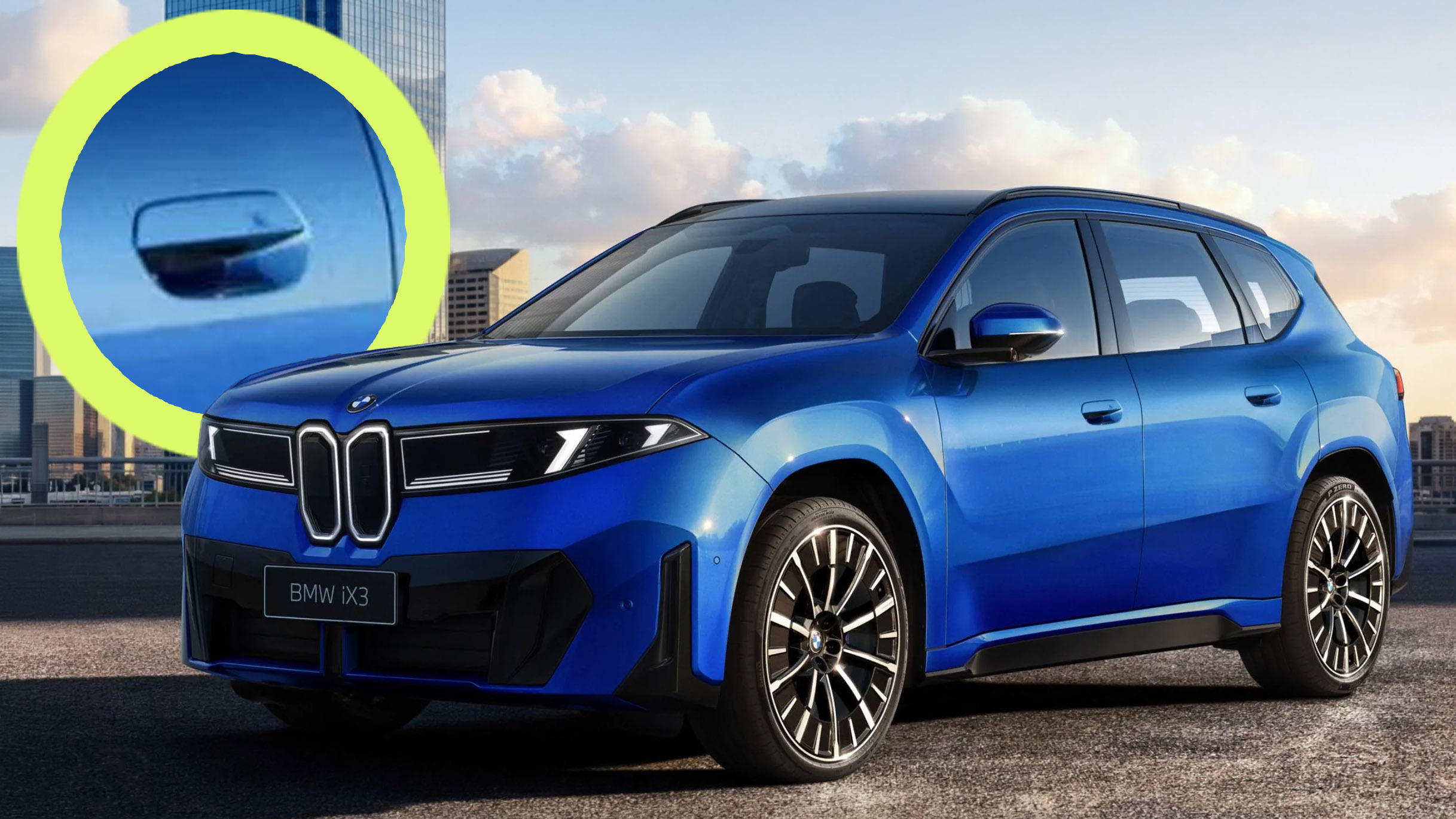
America is already late to this. China finalized its GB 48001-2026 standard last year and will require mechanical door releases on every new vehicle from 2027, while Hong Kong, which writes its own vehicle rules, has moved to ban new EVs that use electronic handles alone. Some automakers are building market-specific hardware to comply, as BMW has done with the iX3, but engineering two versions of the same door is expensive, and the cheaper path is to build one that satisfies the strictest rule on the books.
Read: China Is Banning Tesla-Style Door Handles
So legislative and ultimately handle design changes look likely, but even if they’re fast-tracked, we’re unlikely to see any updates to the cars in our showrooms before 2030, Michael Brooks of the Center for Auto Safety told Bloomberg.