- A newly filed patent depicts a new sway bar using two connected halves.
- The advanced new sway bar could boost ride comfort without impacting handling.
- Hyundai models already handle well, and soon, they may perform even better.
Very few companies produce better, bang-for-your-buck performance cars than Hyundai. Models like the i20 N hot hatch and the Elantra N sedan have spent years putting more expensive rivals on notice and helped establish the N brand. Moving forward, they could get even better.
A patent recently filed by Hyundai reveals the company could be looking to re-invent the traditional sway bar. As with all patents, the existence of this one doesn’t guarantee it will reach production, but Hyundai’s design seems achievable, commercially viable, and could bring with it many benefits.
Read: Hyundai’s EVs Already Fake Engine Sounds, And Now They Might Vibrate Too
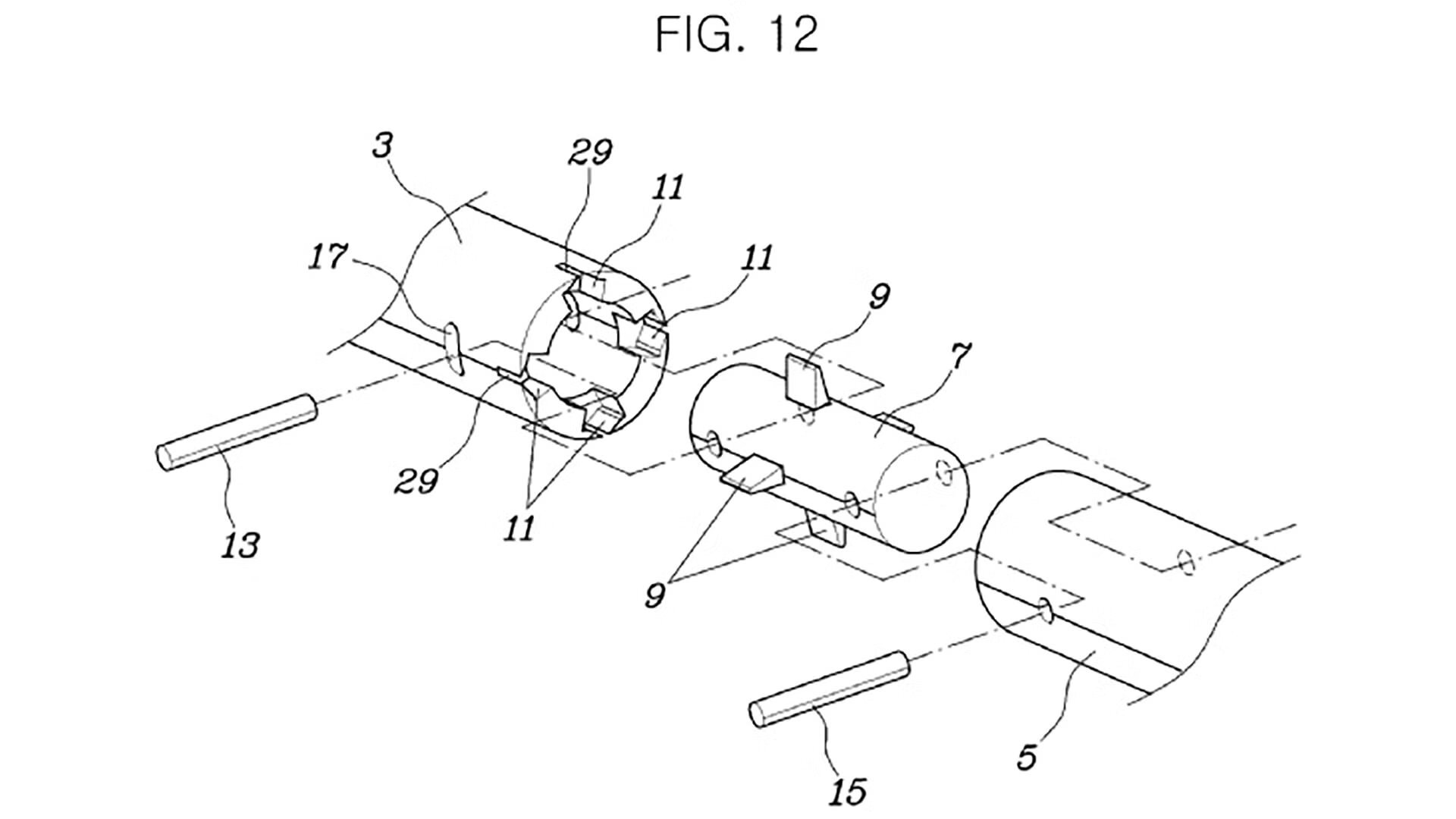
Rather than using solid sway bars positioned at the front and rear of a car, Hyundai’s patent describes a sway bar consisting of two pieces which are connected in the middle by a shaft with several springs. As reported by CarBuzz, this design will give the sway bar some flex. As resistance increases, the two outer sections will begin to twist, ultimately also allowing it to function like a solid sway bar.
The real advantage over a conventional bar shows up when one side of the car meets a small bump. That impact gets absorbed locally instead of being fed straight across to the opposite wheel, so the disturbance stays where it started. The bit of built-in movement lets each wheel deal with minor surface flaws on its own, without instantly calling on the bar’s full resistance the way a solid setup would. The result is a smoother, more comfortable ride since less of that road roughness makes it into the cabin.
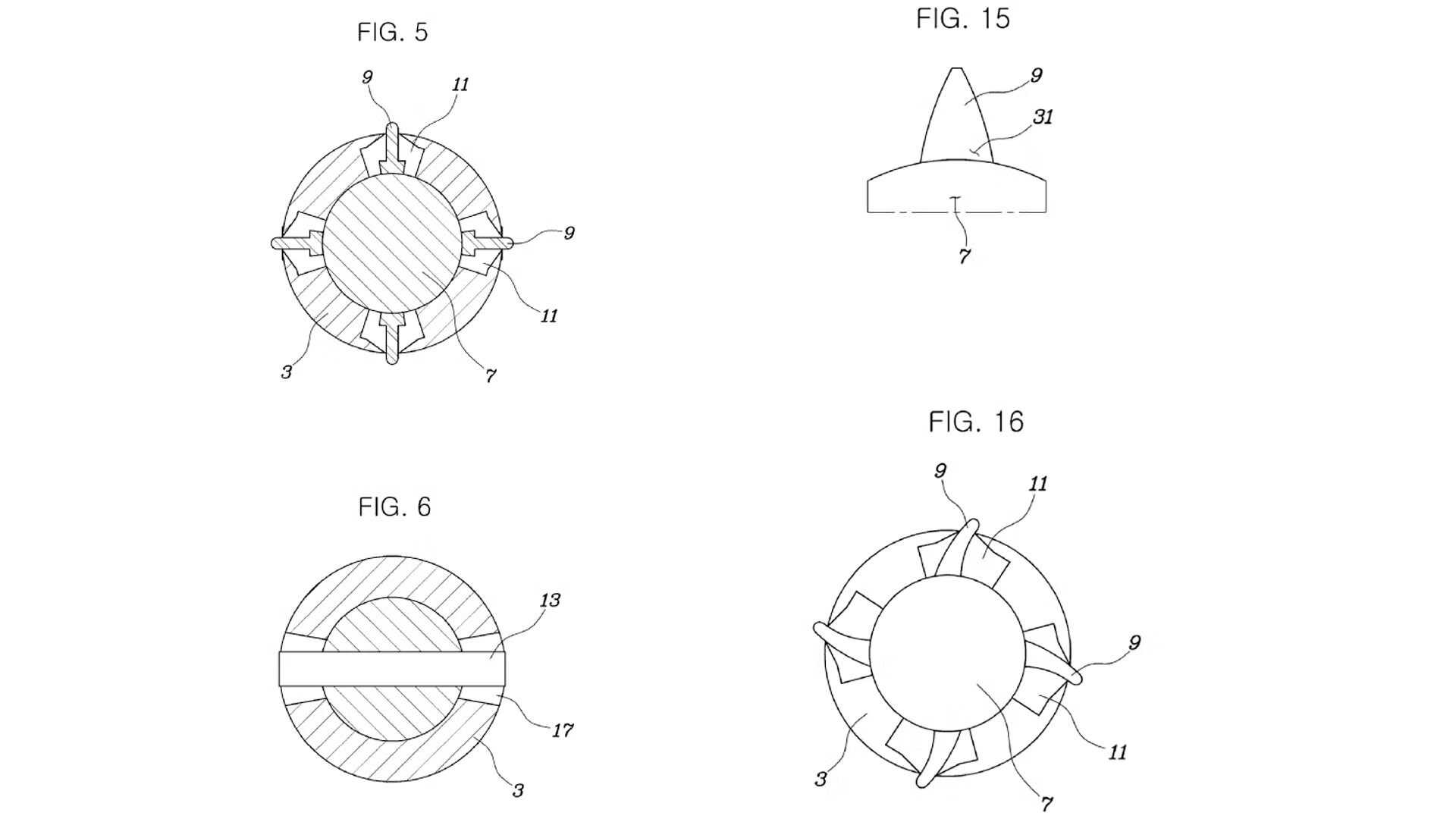
There are several vehicles on the market using hydraulic sway bars, but these systems are more complex, and crucially, more expensive, which doesn’t exactly fit with Hyundai’s philosophy. A new, semi-active sway bar like the one described in this patent shouldn’t add too much cost over a normal sway bar, but does promise significant benefits.
It’s worth noting that a sway bar like this wouldn’t have to be limited to performance-focused N models, either, and could be added to run-of-the-mill Hyundai, Kia, and Genesis models, too.